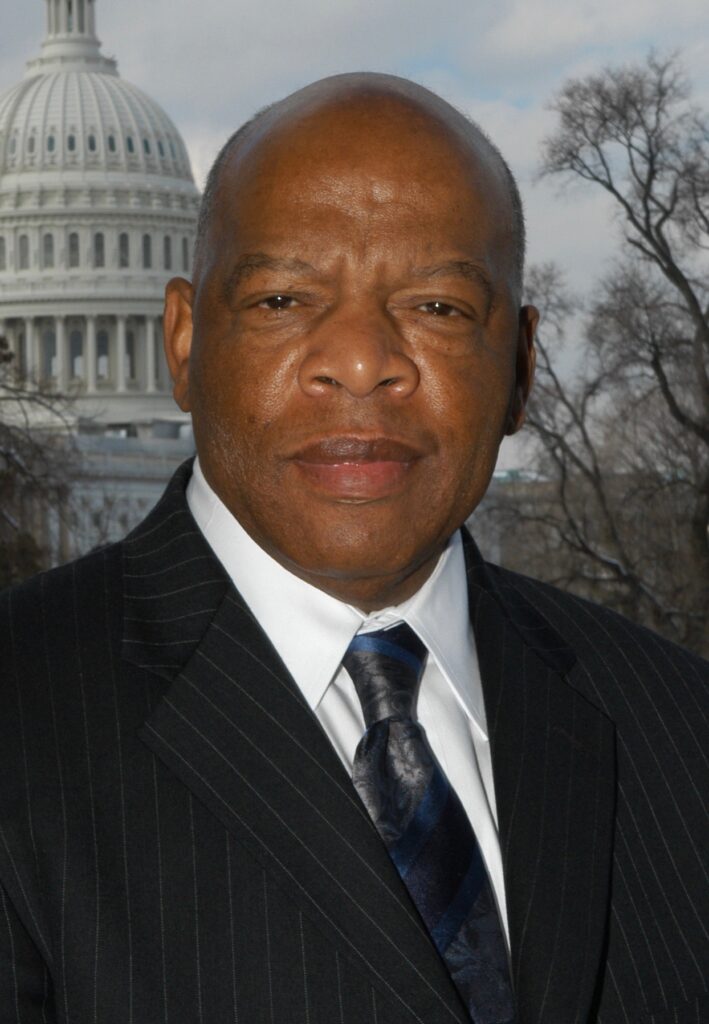
Fear is a natural response to injustice. But the Black leaders we celebrate this month chose action over paralysis and courage over comfort by understanding that waiting for the perfect moment means change never comes. John Lewis was one of those leaders.
Lewis’s life stands as a testament to the power of nonviolent resistance and the willingness to sacrifice everything for freedom.
Lewis became chairman of the Student Nonviolent Coordinating Committee at age 23 and by 25 had been arrested 24 times for peaceful protest. He was brutally beaten as a Freedom Rider, suffered a fractured skull on Bloody Sunday in Selma, and endured incredible violence throughout his activist career, yet he never wavered in his commitment to nonviolent resistance. We see these things happening today through excessive force and murder in our street by federal agents.
At the 1963 March on Washington, Lewis was one of the “Big Six” leaders and the fourth speaker that day, delivering a powerful critique of police violence and the federal government’s failure to protect civil rights workers. He asked the question that still resonates today: which side is the government on when its own citizens are beaten for exercising and demanding their constitutional rights? Throughout his life, Lewis preached the gospel of “good trouble, necessary trouble.” He believed that creating change meant being willing to disrupt systems of injustice, to make people uncomfortable, to refuse to accept things as they are. He showed us that putting your body on the line for what’s right is the highest form of citizenship.
Right now, communities across Minneapolis are navigating their own moments of necessary trouble. Immigration enforcement is creating fear, families are in need of support, and neighbors need to know they’re not alone.
This is when we must remember Lewis’s example. Supporting your community might mean showing up at meetings, volunteering with organizations providing direct assistance, or simply being present for your neighbors in their time of need. It means refusing to look away when injustice happens in front of you.
John Lewis spent his entire life getting into good trouble. We honor his legacy by continuing that work, by refusing to accept fear as a reason for inaction, by standing up for what’s right even when it’s hard.
Stand with your community. Act despite fear. Build the world we deserve.
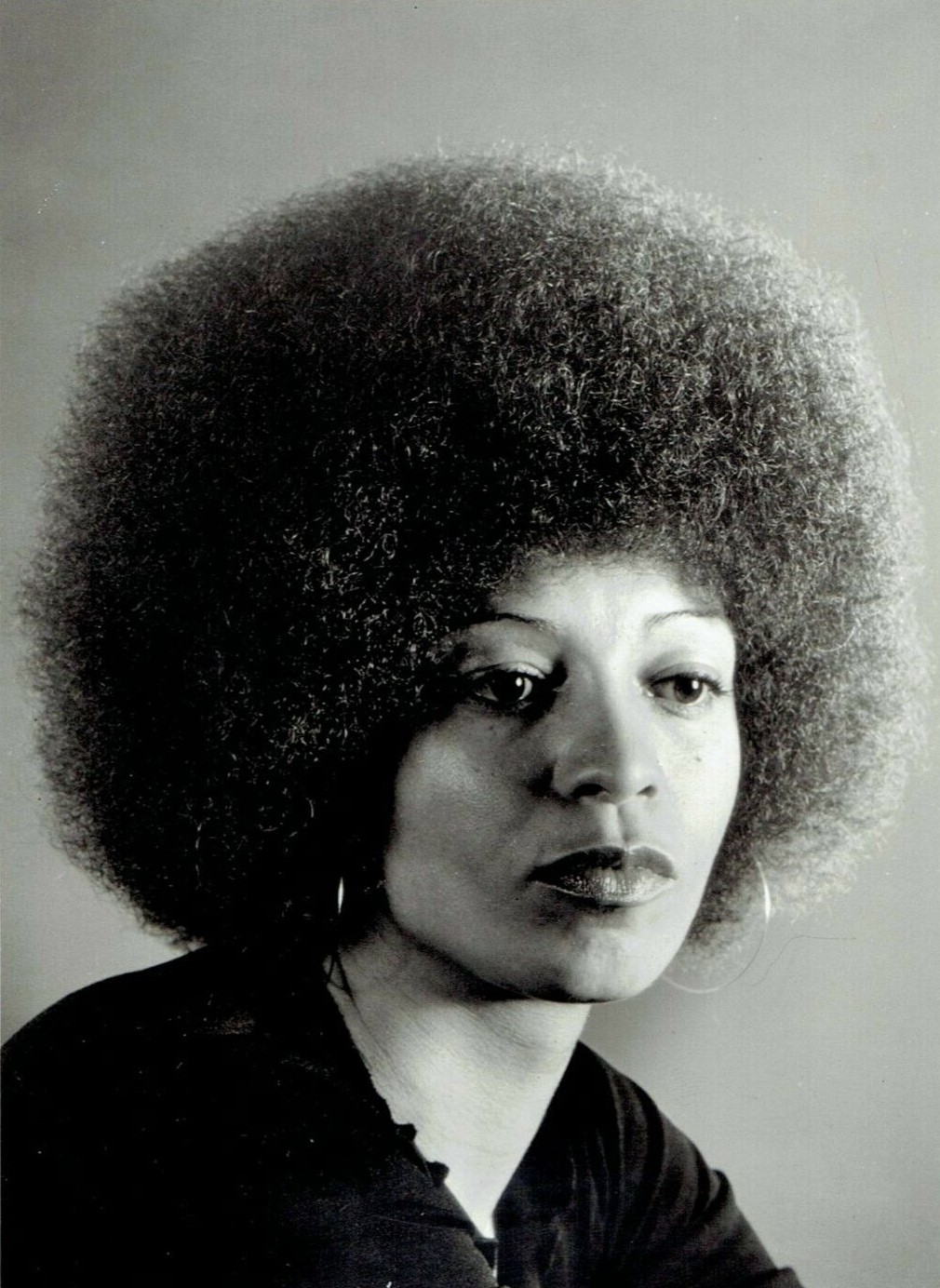
When Fear Cannot Stop the Call for Justice: Angela Davis
Angela Davis is a scholar and activist whose courage in the face of persecution transformed her into one of the most influential voices for justice in our time.
In 1970, our government was actively trying to destroy one of the most impactful groups of our time – the Black Panthers. As a member of the movement, Angela Davis faced murder, kidnapping, and conspiracy charges stemming from an armed courthouse takeover she had not attended. She spent over sixteen months in jail before being acquitted in 1972. What makes Davis’s legacy so powerful her life after that experience. She leaned into public life through decades of scholarly work and activism. She recognized that her notoriety could be put to a greater use for the common good. Similar to today, we see people leaning into the common good, and leaning into community activism as a way to stand strong and united against our neighbors being taken away, our children being afraid to go to school, and our local economies being put to the test.
Davis’s scholarship on the intersections of race, gender, and class has shaped how we understand oppression and resistance. She continues to teach us that freedom requires both dismantling harmful systems and building new ones rooted in care, education, and community support.
Right now, as communities face increased surveillance and enforcement, Davis’s vision feels more urgent than ever. Her work reminds us that acting despite fear means building movements, supporting each other, and refusing to accept systems that treat people as disposable.
Supporting your community might mean showing up for neighbors facing threats. It might mean educating yourself about the systems that harm the most vulnerable, or contributing your time and resources, or voice to organizations fighting for a world where the inherent dignity of all is recognized.
Angela Davis showed us that one person’s refusal to be silenced can spark a global movement. We honor her legacy by continuing to imagine and build a just world.
Stand with your community by building the world we deserve. Please give today to help Minneapolis communities survive these times.
2025 Recipients of the McKnight Community-Engaged Artist Fellowship
Pillsbury House Theatre is proud to announce the two recipients of the 2025 McKnight Fellowships for Community-Engaged Artists: DejaJoelle and Mai’a Williams. Identifying and sup-porting exceptional mid-career Minnesota artists, the McKnight Fellowships for Community-Engaged Artists provide recipients with a $25,000 award, resources to meet with local and national arts and cultural profes-sionals, and works with the fellows to support their professional development and new creative initiatives. These fellowships are funded by a generous grant from the McKnight Foundation and administered by Pillsbury House Theatre. For more information about the fellowship program and future opportunities, visit our website at https://pillsburyhouseandtheatre.org/mcknight-artist-culture-bearer-fellowship/ The 2025 McKnight fellows were selected from a group of 36 applicants by a panel of arts professionals of varying backgrounds whose careers intersect with community-engaged artistic practice in different ways. This year’s panelists were; Helina Metaferia (NYC, NY), Fox Spears (Orlando, FL), and Eric Perez (Chicago, IL).
About the Fellows
DejaJoelle is a Black-centered Healing Artist, Choreographer, Director, and Cultural Healing Curator. She believes Dance serves as our connection to ourselves, our communities, and our overall Divinity. DejaJoelle creates in-tentional spaces for Black Community to discover their rituals and practices toward Healing using Dance, Body Reclamation, and Revolutionary Love Practices.
Mai’a Williams is a writer and artist, living in Minnesota. It was their living and working with Egyptian, Palestinian, Congolese, and Central American indigenous mothers in resistance communities that inspired their life-giving work andart-making practices. They are the co-editor of the antholo-gy, Revolutionary Mothering: Love on the Front Lines and the author of the memoirs, This is How We Survive: Revolutionary Mothering, War, and Exile in the 21st Century, The Future of Love, Apocalypse Here, and In a World Full of Sleeping Giants, You Get to be Awake.
About the Panelists
Helina Metaferia is an interdisciplinary artist working across collage, assemblage, video, performance, and social engagement. Metaferia received her MFA from Tufts University’s School of the Museum of Fine Arts and attended the Skowhegan School of Painting and Sculpture. She’s held solo exhibitions at Museum of Fine Arts, Boston, MA; RISD Art Museum, Providence, RI; and Museum of African Diaspora, San Francisco, CA. Her work was included in the 2023 Sharjah Biennial, United Arab Emirates. Metaferia is an Assistant Professor of Social Practice Art at Brown University in the Visual Art department, and lives and works in New York City.
Fox Spears is a contemporary visual artist as well as Program Manager of Fellowships for First Peoples Fund. He is an enrolled member of the Karuk Tribe and currently resides with his husband in Orlando, Florida.
Eric Perez is an artist and educator in the city of Chicago. Primarily a photographer, his work focuses on his experience of being a Marine during his two deployments as part of the Global War on Terror. As Project Manager for Floating Museum, he deploys his skills in photography and videography to document Floating Museum’s projects. He was selected to be a National Endowment for the Humanities Veteran Fellow (2022) with the emerging Veterans Art Movement. In 2023, he was awarded the annual David C. and Sarajean Ruttenberg Arts Foundation award and residency at the Hyde Park Art Center.
About The McKnight Foundation
The McKnight Foundation’s Arts & Culture program is one of the oldest and largest of its kind in the country. Established in 1981, The McKnight Artist and Culture Bearer Fellowship Program is a single program awarding 48 fellowships across 15 disciplines. The McKnight Foundation, a Minnesota-based family foundation, advances a more just, creative, and abundant future where people and planet thrive. Established in 1953, the McKnight Foundation is deeply committed to advancing climate solutions in the Midwest; building an equitable and inclusive Minnesota; and supporting the arts in Minnesota, neuroscience, and international crop research. The Foundation has approximately $2.3 billion in assets and grants about $90 million a year.
About Pillsbury House and Theatre (PH+T)
From the Makers Series to Chicago Avenue Project and Naked Stages, Pillsbury House + Theatre brings audiences closer—to the edge, to the actors, to affordable adventurous theatre, to fellow audience members, and to a strong, vibrant community. Now in its 34th year, the theatre continues to inspire enduring change towards a just society. An integral part of Pillsbury United Communities, one of the largest human services organizations in the state, Pillsbury House + Theatre demonstrates that the highest quality art is an integral part of all healthy communities, winning community trust, accolades and awards across the metro and nationally. Learn more about our programs at opportunities at www.pillsburyhouseandtheatre.org.
Elizabeth Brisbin
From Heart Scare to Heartfelt Service
A powerful reminder that life’s challenges can lead to new paths of purpose. After a personal health scare, PUC Community Health Coordinator, Jacara Warfield found renewed strength and a deeper connection to community service. Her journey reflects the resilience and spirit of the Northside. Pillsbury United Communities is lucky to have her on the team! Find Jacara at North Market twice a week offering Community Health services & resources. Read the full story in North News
Celebrating Notable Women Who Shaped Minnesota History
In celebration of Women’s History Month, Pillsbury United Communities is proud to recognize the significant contributions of women from all backgrounds. This week, we spotlight the historic milestones and accomplishments of women in Minnesota. Their stories of resilience, creativity, and leadership continue to inspire us all.
Lena O. Smith
1885 – 1966
Lena Smith made history in 1921 as the first Black woman to practice law in Minnesota. As the first female president of the Minneapolis NAACP, she led the charge against racial discrimination in the North, addressing housing, employment, and education issues.
Her pioneering work broke barriers for Black women in the legal profession and left a lasting impact on the fight for civil rights in the United States. “I’m used to doing the right thing without regard for myself,” Smith once said. “Of course, battles leave their scars, but I’m willing to make the sacrifice.”
Eloise Butler
1851 – 1933
Eloise Butler’s pioneering work in gardening lives on at the Eloise Butler Wildflower Garden and Bird Sanctuary in Theodore Wirth Park, the oldest public wildflower garden in the U.S. The garden offers a tranquil escape into nature.
Butler began her career as a botany teacher in the early 1900s. She would take her students to explore the wetlands and uplands of what was then called Glenwood Park.
In 1907, after advocating it, she and others successfully petitioned the Park Board to designate a small plot of land for the garden, which Butler cared for on a volunteer basis.
In 1929, the garden was officially named in her honor, solidifying her enduring legacy in horticulture.
Mee Moua
1969 – Present
In January 2002, Mee Moua made history as the first Asian woman elected to the Minnesota Legislature and the first Hmong American elected to any state legislature. Moua, a St. Paul lawyer, ran on a campaign platform focused on education, housing, the economy, and public safety.
As Minnesota has the largest Hmong population in the U.S., Mou’s victory in St. Paul’s District 67 had a profound political and cultural impact on the Hmong community, marking a milestone in representation and political involvement for Hmong Americans. She was re-elected twice, serving a total of nine years in the Minnesota Senate.
Today, Mou serves as the president and executive director of Asian Americans Advancing Justice, which advocates for civic engagement for Asian Americans and other underserved communities.
Nellie Francis
1874 – 1969
At the turn of the 20th century, Nellie (Griswold) Francis emerged as an influential leader for civil rights in Minnesota. She made history as the only African American student to graduate from St. Paul High School in 1891 and was one of eight students chosen to deliver a graduation speech. In her address, Francis boldly asserted that the “race problem” was a construct of white Americans, who viewed Black citizens as dangerous rather than recognizing them as hard-working, peaceful, and patriotic—much less as equals.
This forward-thinking and fearless stance became a hallmark of her advocacy, which included the drafting of and lobbying for the adoption of a state anti-lynching bill that was signed into law in 1921, following the lynchings of three Black carnival workers in Duluth in 1920
Toni Stone
1921 – 1996
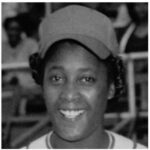
Toni Stone was a pioneering figure in the history of baseball, breaking gender and racial barriers in the sport. Born in 1921 in St. Paul’s historic Rondo neighborhood, Stone went on to become the first woman to play professional baseball in the Negro Leagues.
In 1953, she joined the Indianapolis Clowns, a team in the Negro American League, making her the first woman to compete in the league. Stone played second base and was known for her agility and strong arm.
In 1990, Stone was featured in the “Women in Baseball” and “Negro League Baseball” exhibits at the National Baseball Hall of Fame and Museum. Three years later, she was inducted into the Women’s Sports Hall of Fame and the International Women’s Sports Hall of Fame. Award-winning playwright Lydia R. Diamond also produced an off-Broadway play about her life.
Next Week: We’ll honor the the women of Pillsbury United Communities making history today.
Elizabeth Brisbin
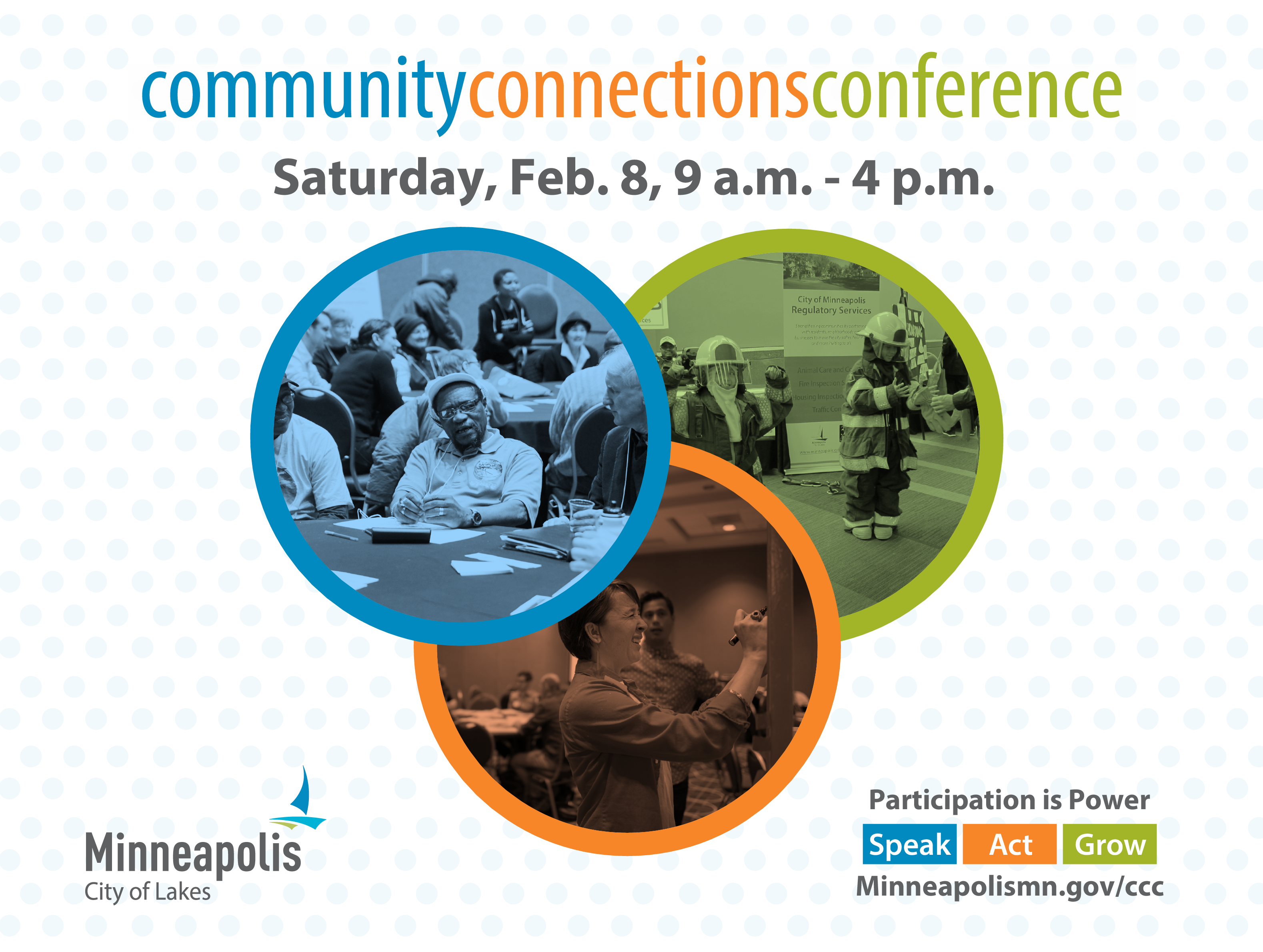
Minneapolis Community Connections Conference
FREE EVENT
When: Saturday, February 8 at 9 a.m. – 4 p.m.
Where: Minneapolis Convention Center, First Floor, Hall E
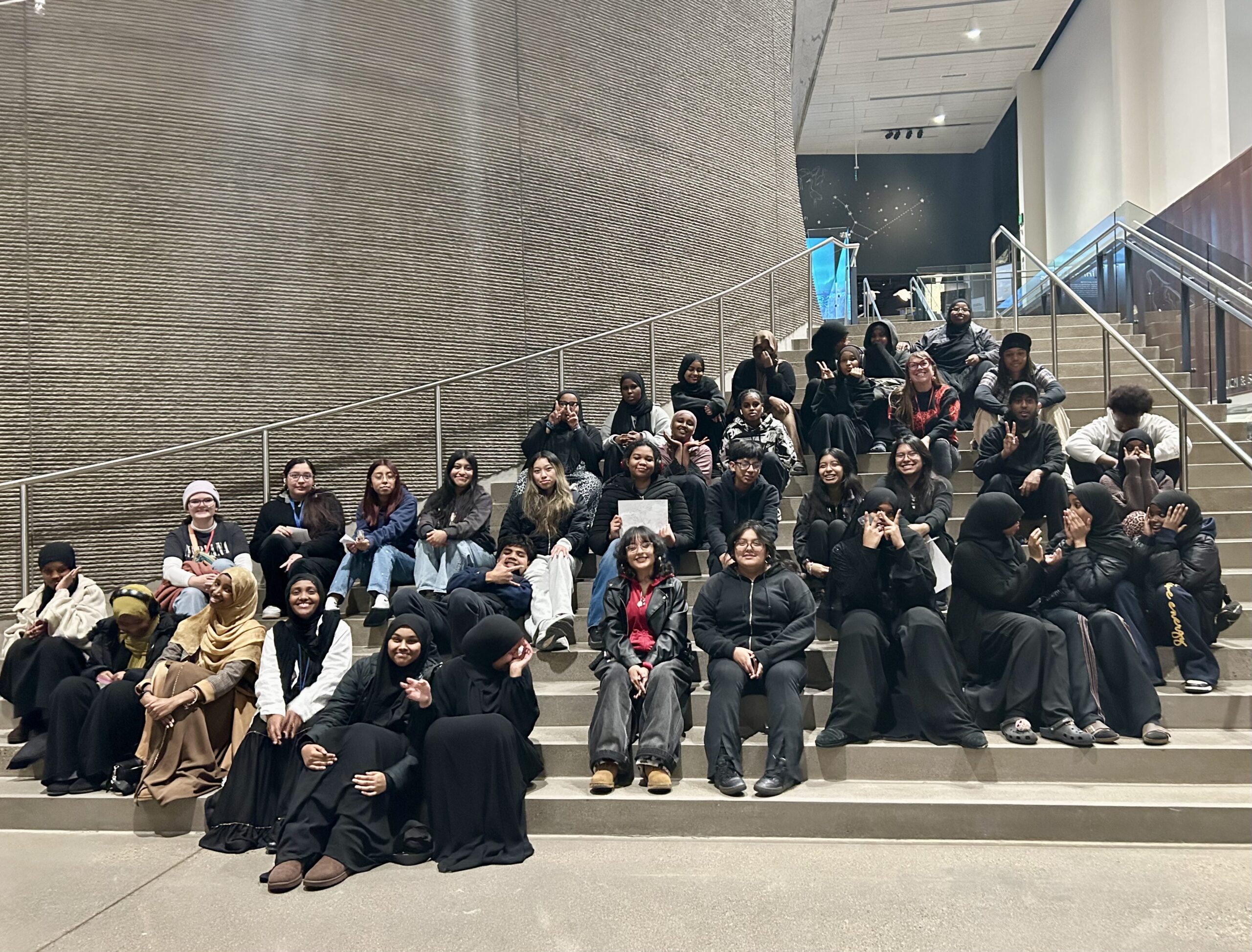
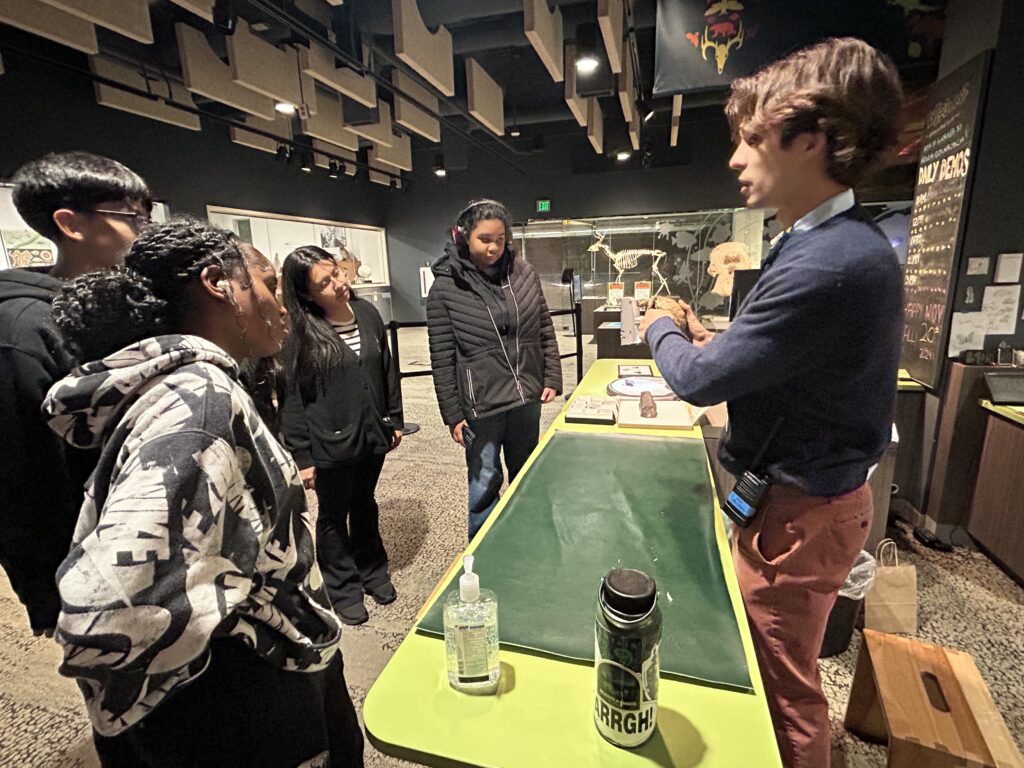
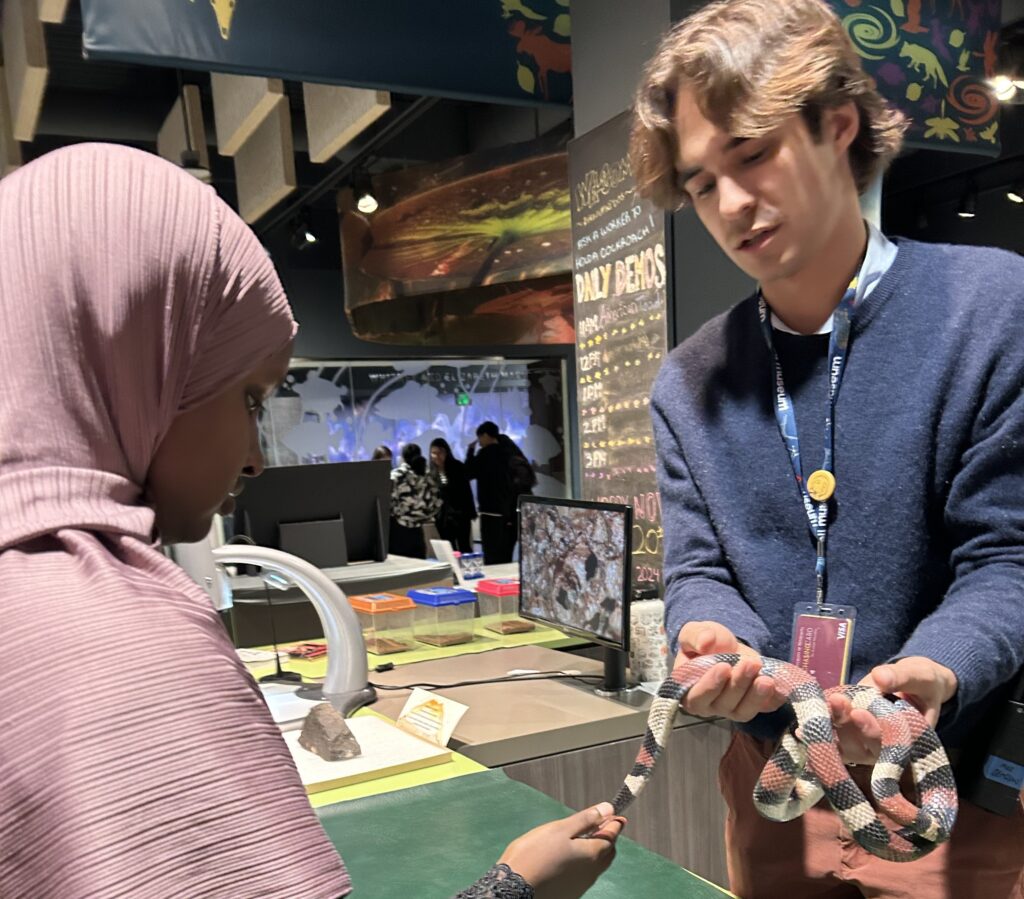
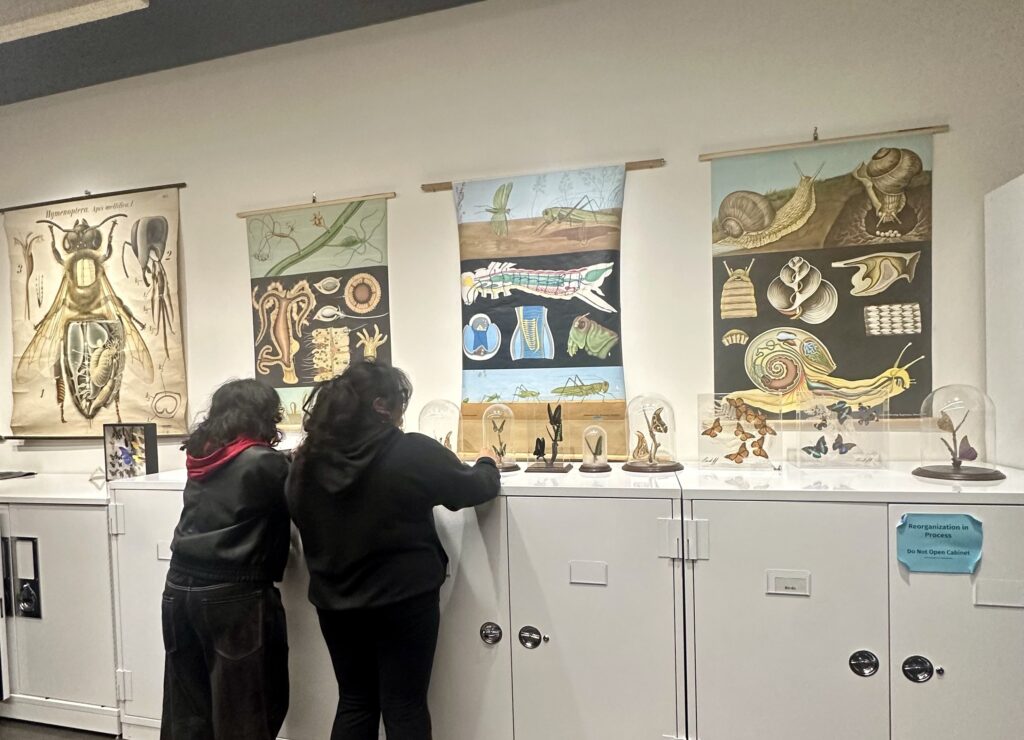
On Wednesday, November 20, over 30 FANS scholars visited the Bell Museum to learn about careers in biology, museum science, astronomy, paleontology, and art.
Pillsbury United Communities has sponsored FANS (Furthering Achievement through a Network of Support), a free college, career, and life preparatory program for high school students for over 30 years.
Click on the photos below to see more highlights from the trip.
Elizabeth Brisbin
Adair Mosley, CEO & President, Departing Pillsbury United Communities
MINNEAPOLIS, MN, AUGUST 16, 2022—Pillsbury United Communities Board of Directors announced today that Adair Mosley will transition out of his role as President and CEO. He will leave September 30 and will step into the role of CEO of the African American Leadership Forum in October.
Mosley has been President and CEO for the past five years and has been with the organization for 11. His time as agency leader has spanned philanthropic and community shifts, devastating tragedies, a global pandemic, and an uprising for social justice. Throughout it all, he has been a champion of meeting the moment with transformative innovation and investment. During his tenure, the agency’s budget grew from $12 million to $16 million. His accomplishments include:
Opening North Market, a full-service grocery store in North Minneapolis
Establishing Justice Built Communities, an economic development initiative with $20M in starting capital that will build equity in land, labor, entrepreneurship, and capital for Black Minnesotans.
Receiving a $1.5 million state appropriation to launch a career and early college program.
Securing a $750,000 investment from the Kresge Foundation to launch a policy and mobilization department and $1 million from Blue Cross Blue Shield of Minnesota to focus on social determinants of health through cross sector partnership.
Raising $1 million to give every member of the North High graduating class of 2022 a post-secondary scholarship
“When I took over this role, I promised to lead ‘change at the speed of community.’ Today, I leave an organization that is fiscally healthy and even more committed to dismantling systems of oppression,” said Mosley. “I am so proud of all that we have accomplished together. I look forward to my next chapter galvanizing policy makers, philanthropy, and corporate partners in pursuit of community’s agenda, and I look forward to doing it in ongoing relationship with Pillsbury United.”
“Thanks to Adair and his leadership team, the tireless staff, extraordinarily generous donors and supporters, PUC is in an exceptionally strong position,” said Heath Rudduck, chair of the board of directors. “We’ll miss Adair tremendously, but he has helped prepare us for the next chapter of the organization’s growth and its steadfast commitment to the prosperity of the communities, people and places we serve.”
The board of directors is in the process of initiating a national search for the agency’s next leader. In the interim, Brenna Brelie, head of operations, will serve as CEO. Brelie has been with the agency for eight years and played a key role in the leadership transition between Mosley and his predecessor, Chanda Smith Baker.
“I’m grateful to have worked alongside Adair for the past eight years. His visionary leadership has changed the trajectory of this organization, and he will definitely be missed,” said Brelie. “However, I am confident our board of directors will find the next passionate leader to continue this legacy at Pillsbury United Communities.”
About Pillsbury United Communities
Pillsbury United Communities is one of Minnesota’s most well-established organizations with 140+ years of service to diverse communities across the Twin Cities and beyond. Pillsbury United Communities has an annual operating budget of $16M (including affiliates) and 150 change agents. We are community builders co-creating enduring change toward a just society where every person has personal, social, and economic power. Our united system of programs, neighborhood centers, social enterprises, and partnerships connects individuals and their families across the region. More information about Pillsbury United Communities is available at www.pillsburyunited.org
Elizabeth Brisbin
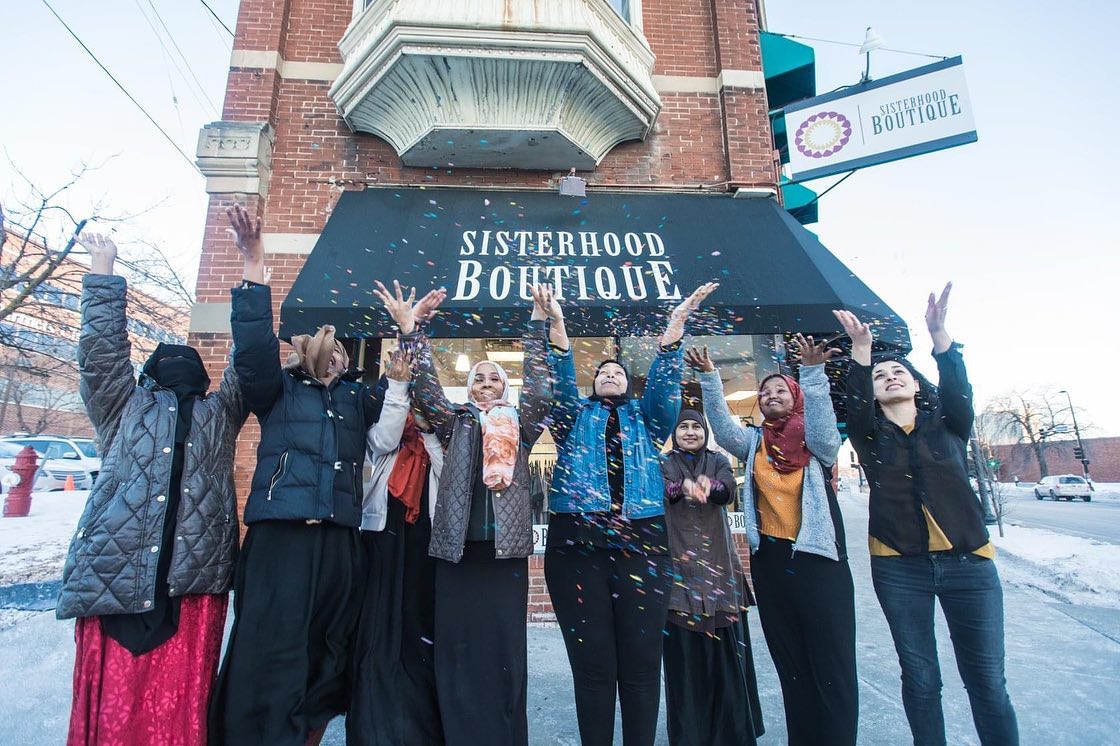
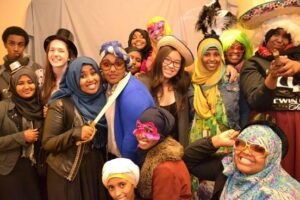
Sisterhood Boutique celebrates its 10-year anniversary
We can’t believe that we’ve been here this long. We have been working hard to change lives for the many young women who have been a part of our program. And now it’s time to celebrate!
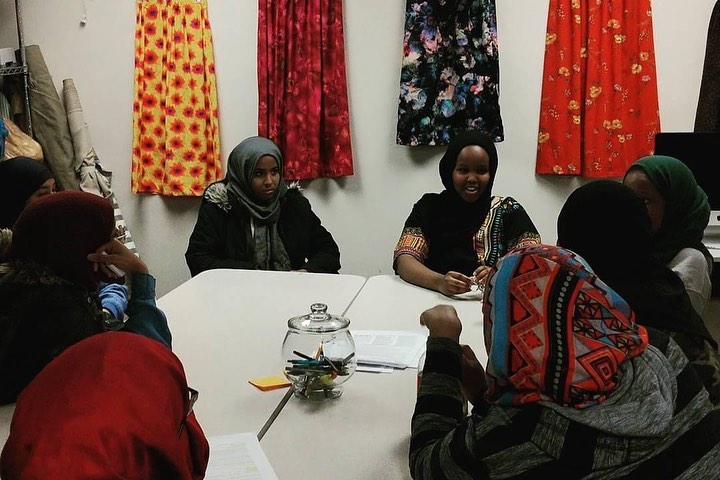
In 2012, a group of East African girls began discussing the gaps they were seeing in their community—they wanted the same opportunities as the boys! With support from the youth development team at the Pillsbury United Communities Brian Coyle Center, these entrepreneurial young women developed the concept for a resale clothing store and launched the Sisterhood Boutique in 2014. For the past eight years, the Sisterhood Boutique has been providing a safe place for East African girls to learn and grow while providing a valuable service to the community.
Today, the Sisterhood is a thriving youth development program that helps East African young women ages 14-23 develop life and work readiness skills with hands-on experience in the operation of a fully functioning retail business.
OUR MISSION: We encourage East African young women to connect and evolve as leaders and entrepreneurs by creating space to explore, express, and educate each other and their community. Because, we believe the future is for all women.
We are so thankful for the longevity of the organization so far and we are so grateful for the people and donors that have worked along with us throughout the past 10 years!
Sisterhood – Wrapping Women in Confidence
Elizabeth Brisbin
Pillsbury United launches Minneapolis Documenters to Boost Government Transparency
MINNEAPOLIS (JAN. 2022) — Local government meetings shape our lives, but these discussions often lack participation from the public. A new participatory journalism initiative from Pillsbury United Communities is making public meetings more transparent and accessible, giving Minneapolis residents the information they need to actualize the change they wish to see in their communities.
Minneapolis Documenters trains and pays community members to take notes at city and county government meetings. We’re building a community-owned public record by centralizing city and county-level public meeting dates, government documents and Documenters’ notes in one location at minneapolis.documenters.org. Notes and summaries are also shared on Facebook, Twitter and Instagram at @documenterspuc.
Minneapolis Documenters is led by Pillsbury United Communities’ Civic Producer Jackie Renzetti and Director of Policy and Advocacy Kenzie O’Keefe. Both are former Twin Cities-based journalists and media educators.
“Government doesn’t typically meet community where it’s at; it can be technocratic, time-consuming, and difficult to track. Here at Pillsbury United, we are investing in a Documenters program to remove some of those structural barriers, supporting the community members we serve in building their government awareness and organizing power,” O’Keefe said.
Pillsbury United is inviting local newsrooms and civic organizations to use this resource and share ideas for collaboration.
“We believe sharing resources between news organizations and opening up the reporting process to the public is key to a sustainable, equitable media ecosystem that supports civic participation, ” Renzetti said. “We envision this as a resource that can open new opportunities for collaborative journalism and civic action in Minneapolis and beyond.”
Minneapolis Documenters is an affiliate of the Documenters Network created by City Bureau, a Chicago-based civic journalism lab, in 2016. Since 2018, Cleveland and Detroit have also established affiliate programs. Documenters in these programs have used their experiences to further their careers and interests in fields including reporting, civic action and research. Newsrooms have also collaborated in these cities to pursue accountability reporting based on the Documenters’ notes.
“Public meetings are workshops for local democracy. Across the country, gaps in coverage of these meetings leaves community members less informed and less able to make informed decisions about schools, development or who to vote for in local elections. Access to information from these meetings allows people to hold local officials accountable,” said Darryl Holliday, Executive Director of National Impact at City Bureau. “The Documenters Network informs, engages and equips community members to get civically involved and connect their neighbors to critical information.“
Since the program’s soft launch in mid-December, 22 Minneapolis Documenters have joined more than 1,600 Documenters across the country. Based on engagement with the public, Pillsbury United Communities will focus its Minneapolis Documenters coverage on city and county-level agencies that deal with housing, land use and public safety. The notes will also cover other justice-related issues such as food access, transportation and health.
Documenters are paid $20 hourly for time spent at the training and covering meetings. The only qualification to become a Documenter is attendance at a Minneapolis Documenters orientation. Prospective Documenters – and reporters, if they’re interested in observing – can register here to attend an upcoming orientation, held Jan. 26 at 10 a.m. and Jan. 27 at 6 p.m.
At a time when residents are calling for accountability from both local government and the media, Minneapolis Documenters offers a pathway to building community power by bringing the public into both spaces.
Financial support for the Minneapolis Documenters comes from the McKnight, GHR, and Target Foundations.
About Pillsbury United Communities Pillsbury United Communities is one of Minnesota’s most well-established organizations, with 140 years of service to diverse communities across the Twin Cities and beyond. We serve the Black, Brown, Indigenous, immigrant, and working-class residents of Minneapolis. We have brick-and-mortar locations in the North, East Phillips, Powderhorn and Cedar-Riverside neighborhoods. Our mission is to co-create enduring change toward a just society where every person has personal, social, and economic power. In addition to Documenters, PUC owns and operates two other community media enterprises: North News and KRSM Radio.
About City Bureau City Bureau is a journalism lab reimagining local media. We do this by equipping people with skills and resources, engaging in critical public conversations and producing information that directly addresses people’s needs—in the process, we have created locally-driven initiatives like the Public Newsroom and national civic infrastructure like the Documenters Network. Drawing from our work in Chicago, we aim to equip every community with the tools it needs to eliminate information inequity to further liberation, justice and self-determination.
About the Documenters Network The Documenters Network creates new pathways for civic action and public oversight of local government through participatory media by training and paying local residents to attend and annotate government meetings, turning the knowledge, relationships, and capacity of local residents into a powerful community information resource. Today, the Documenters Network is made up of hundreds of people in Chicago, Detroit, Cleveland and Minneapolis who have collectively made thousands of public meetings more transparent, relevant and accessible. For more information, including how you can launch a Documenters Network site in your city, please contact our team at [email protected].


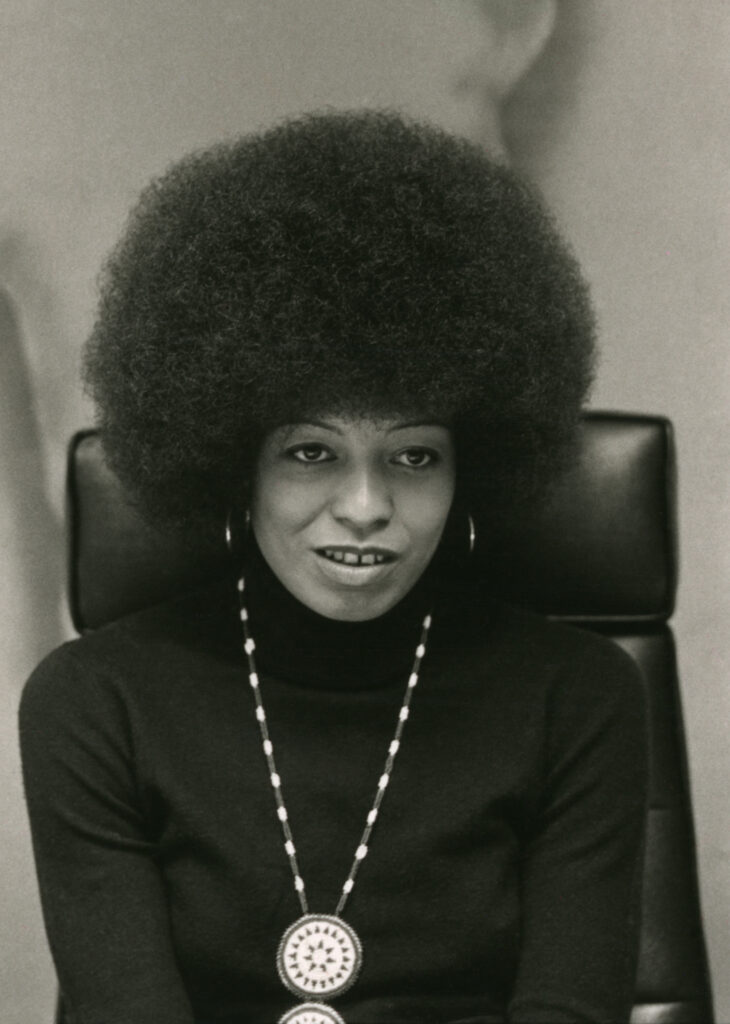

 DejaJoelle is a Black-centered Healing Artist, Choreographer, Director, and Cultural Healing Curator. She believes Dance serves as our connection to ourselves, our communities, and our overall Divinity. DejaJoelle creates in-tentional spaces for Black Community to discover their rituals and practices toward Healing using Dance, Body Reclamation, and Revolutionary Love Practices.
 Helina Metaferia is an interdisciplinary artist working across collage, assemblage, video, performance, and social engagement. Metaferia received her MFA from Tufts University’s School of the Museum of Fine Arts and attended the Skowhegan School of Painting and Sculpture. She’s held solo exhibitions at Museum of Fine Arts, Boston, MA; RISD Art Museum, Providence, RI; and Museum of African Diaspora, San Francisco, CA. Her work was included in the 2023 Sharjah Biennial, United Arab Emirates. Metaferia is an Assistant Professor of Social Practice Art at Brown University in the Visual Art department, and lives and works in New York City.
 Fox Spears is a contemporary visual artist as well as Program Manager of Fellowships for First Peoples Fund. He is an enrolled member of the Karuk Tribe and currently resides with his husband in Orlando, Florida.
 Eric Perez is an artist and educator in the city of Chicago. Primarily a photographer, his work focuses on his experience of being a Marine during his two deployments as part of the Global War on Terror. As Project Manager for Floating Museum, he deploys his skills in photography and videography to document Floating Museum’s projects. He was selected to be a National Endowment for the Humanities Veteran Fellow (2022) with the emerging Veterans Art Movement. In 2023, he was awarded the annual David C. and Sarajean Ruttenberg Arts Foundation award and residency at the Hyde Park Art Center.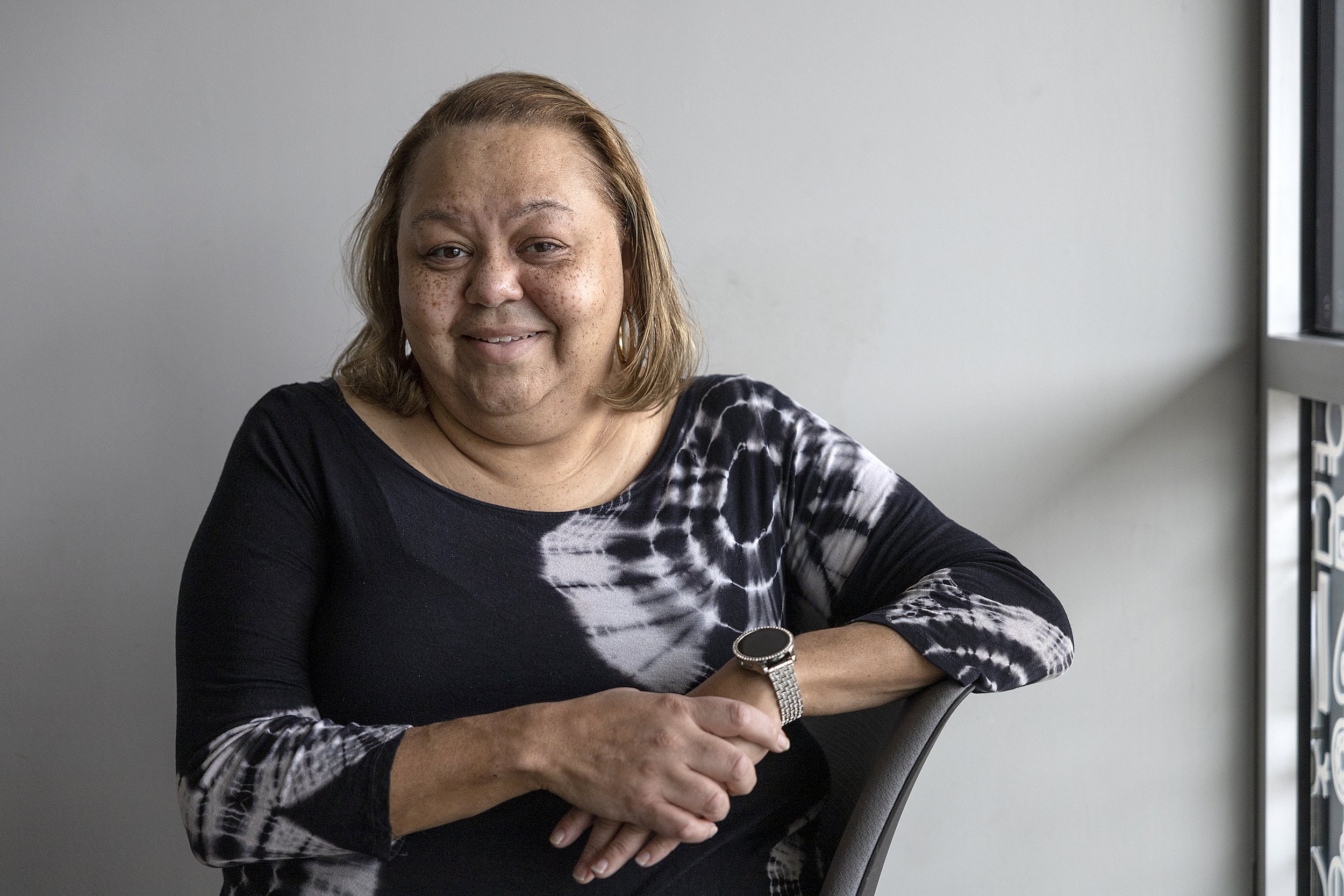



.jpg)