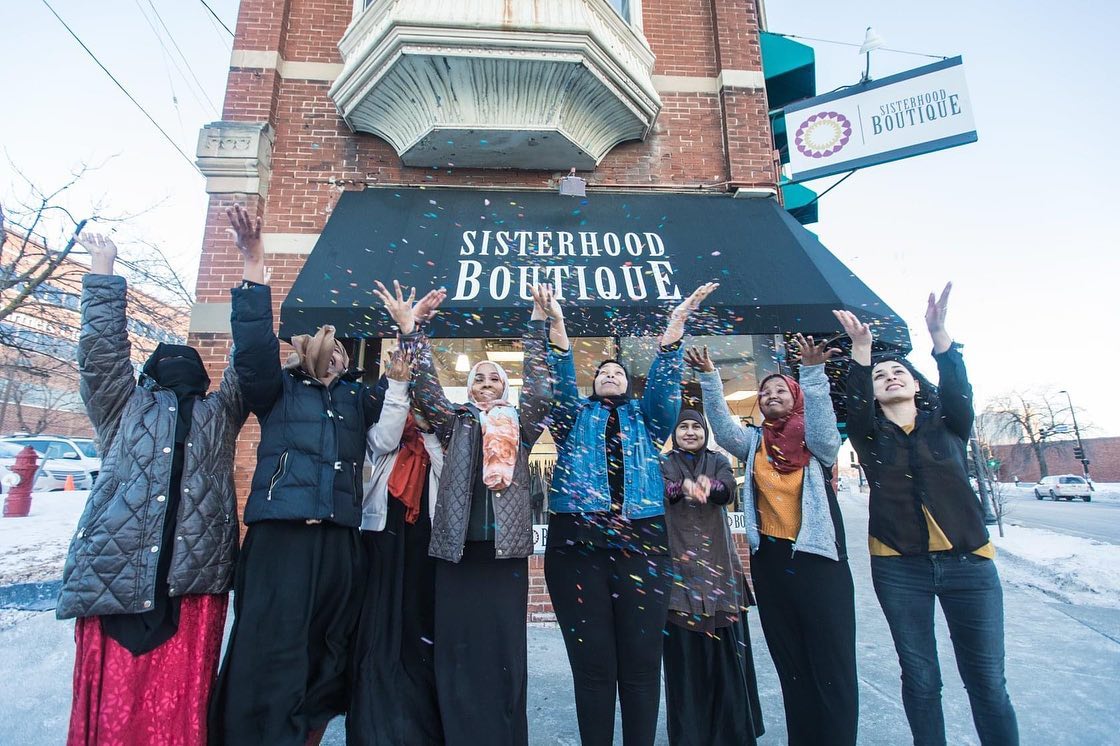
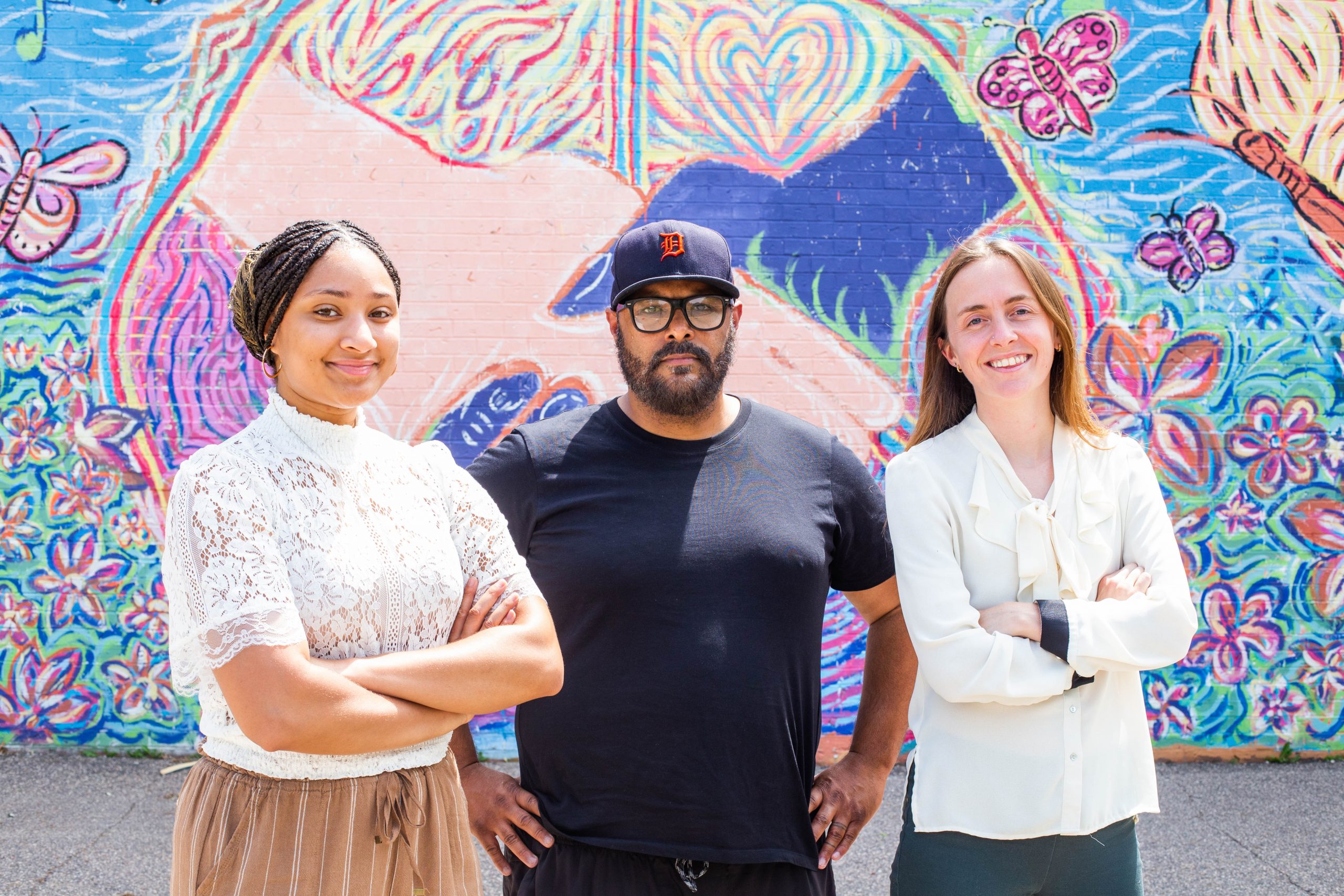
Sisterhood Boutique celebrates its 10-year anniversary
We can’t believe that we’ve been here this long. We have been working hard to change lives for the many young women who have been a part of our program. And now it’s time to celebrate!
In 2012, a group of East African girls began discussing the gaps they were seeing in their community—they wanted the same opportunities as the boys! With support from the youth development team at the Pillsbury United Communities Brian Coyle Center, these entrepreneurial young women developed the concept for a resale clothing store and launched the Sisterhood Boutique in 2014. For the past eight years, the Sisterhood Boutique has been providing a safe place for East African girls to learn and grow while providing a valuable service to the community.
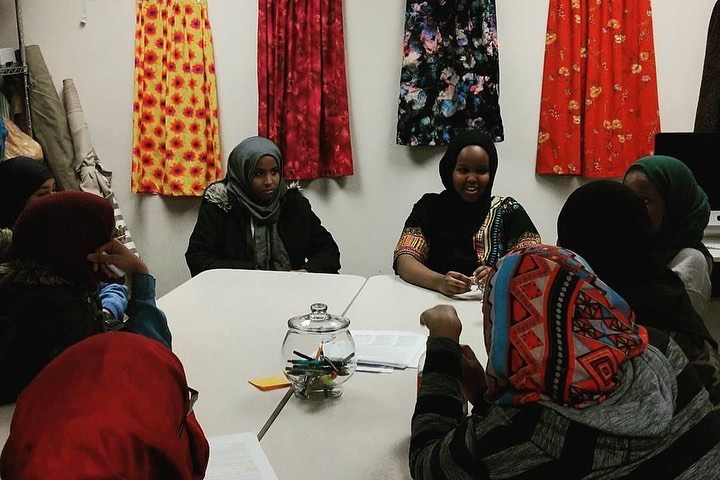
Today, the Sisterhood is a thriving youth development program that helps East African young women ages 14-23 develop life and work readiness skills with hands-on experience in the operation of a fully functioning retail business.
OUR MISSION: We encourage East African young women to connect and evolve as leaders and entrepreneurs by creating space to explore, express, and educate each other and their community. Because, we believe the future is for all women.
We are so thankful for the longevity of the organization so far and we are so grateful for the people and donors that have worked along with us throughout the past 10 years!
Sisterhood – Wrapping Women in Confidence
Elizabeth Brisbin
Pillsbury United launches Minneapolis Documenters to Boost Government Transparency
MINNEAPOLIS (JAN. 2022) — Local government meetings shape our lives, but these discussions often lack participation from the public. A new participatory journalism initiative from Pillsbury United Communities is making public meetings more transparent and accessible, giving Minneapolis residents the information they need to actualize the change they wish to see in their communities.
Minneapolis Documenters trains and pays community members to take notes at city and county government meetings. We’re building a community-owned public record by centralizing city and county-level public meeting dates, government documents and Documenters’ notes in one location at minneapolis.documenters.org. Notes and summaries are also shared on Facebook, Twitter and Instagram at @documenterspuc.
Minneapolis Documenters is led by Pillsbury United Communities’ Civic Producer Jackie Renzetti and Director of Policy and Advocacy Kenzie O’Keefe. Both are former Twin Cities-based journalists and media educators.
“Government doesn’t typically meet community where it’s at; it can be technocratic, time-consuming, and difficult to track. Here at Pillsbury United, we are investing in a Documenters program to remove some of those structural barriers, supporting the community members we serve in building their government awareness and organizing power,” O’Keefe said.
Pillsbury United is inviting local newsrooms and civic organizations to use this resource and share ideas for collaboration.
“We believe sharing resources between news organizations and opening up the reporting process to the public is key to a sustainable, equitable media ecosystem that supports civic participation, ” Renzetti said. “We envision this as a resource that can open new opportunities for collaborative journalism and civic action in Minneapolis and beyond.”
Minneapolis Documenters is an affiliate of the Documenters Network created by City Bureau, a Chicago-based civic journalism lab, in 2016. Since 2018, Cleveland and Detroit have also established affiliate programs. Documenters in these programs have used their experiences to further their careers and interests in fields including reporting, civic action and research. Newsrooms have also collaborated in these cities to pursue accountability reporting based on the Documenters’ notes.
“Public meetings are workshops for local democracy. Across the country, gaps in coverage of these meetings leaves community members less informed and less able to make informed decisions about schools, development or who to vote for in local elections. Access to information from these meetings allows people to hold local officials accountable,” said Darryl Holliday, Executive Director of National Impact at City Bureau. “The Documenters Network informs, engages and equips community members to get civically involved and connect their neighbors to critical information.“
Since the program’s soft launch in mid-December, 22 Minneapolis Documenters have joined more than 1,600 Documenters across the country. Based on engagement with the public, Pillsbury United Communities will focus its Minneapolis Documenters coverage on city and county-level agencies that deal with housing, land use and public safety. The notes will also cover other justice-related issues such as food access, transportation and health.
Documenters are paid $20 hourly for time spent at the training and covering meetings. The only qualification to become a Documenter is attendance at a Minneapolis Documenters orientation. Prospective Documenters – and reporters, if they’re interested in observing – can register here to attend an upcoming orientation, held Jan. 26 at 10 a.m. and Jan. 27 at 6 p.m.
At a time when residents are calling for accountability from both local government and the media, Minneapolis Documenters offers a pathway to building community power by bringing the public into both spaces.
Financial support for the Minneapolis Documenters comes from the McKnight, GHR, and Target Foundations.
About Pillsbury United Communities Pillsbury United Communities is one of Minnesota’s most well-established organizations, with 140 years of service to diverse communities across the Twin Cities and beyond. We serve the Black, Brown, Indigenous, immigrant, and working-class residents of Minneapolis. We have brick-and-mortar locations in the North, East Phillips, Powderhorn and Cedar-Riverside neighborhoods. Our mission is to co-create enduring change toward a just society where every person has personal, social, and economic power. In addition to Documenters, PUC owns and operates two other community media enterprises: North News and KRSM Radio.
About City Bureau City Bureau is a journalism lab reimagining local media. We do this by equipping people with skills and resources, engaging in critical public conversations and producing information that directly addresses people’s needs—in the process, we have created locally-driven initiatives like the Public Newsroom and national civic infrastructure like the Documenters Network. Drawing from our work in Chicago, we aim to equip every community with the tools it needs to eliminate information inequity to further liberation, justice and self-determination.
About the Documenters Network The Documenters Network creates new pathways for civic action and public oversight of local government through participatory media by training and paying local residents to attend and annotate government meetings, turning the knowledge, relationships, and capacity of local residents into a powerful community information resource. Today, the Documenters Network is made up of hundreds of people in Chicago, Detroit, Cleveland and Minneapolis who have collectively made thousands of public meetings more transparent, relevant and accessible. For more information, including how you can launch a Documenters Network site in your city, please contact our team at [email protected].
Elizabeth Brisbin
Shop small today and everyday at social enterprises
It’s that time of the year where many of us are out hustling and bustling in search of that perfect gift for someone special. While you are planning out your shopping stops, don’t forget to keep our social enterprises in mind. This holiday season, support your community by shopping small and with a purpose.
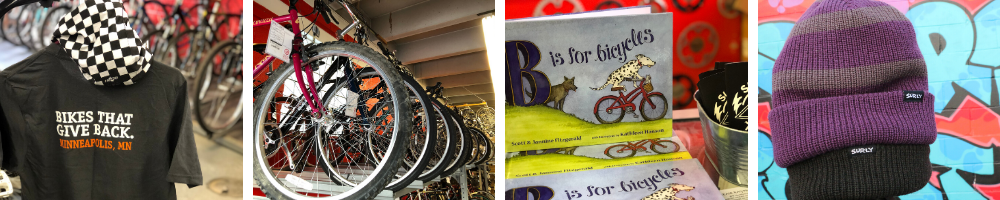
For the biker in your life, consider hitting up Full Cycle Bike Shop in South Minneapolis. From bikes to beanies, hoodies to buffs, t-shirts to studded tires—you’ll be sure to find great gear that supports a great cause. So much more than your run-of-the-mill bike shop, Full Cycle supports young people experiencing homelessness through employment and training in the shop, free bikes, emergency food access, and more.
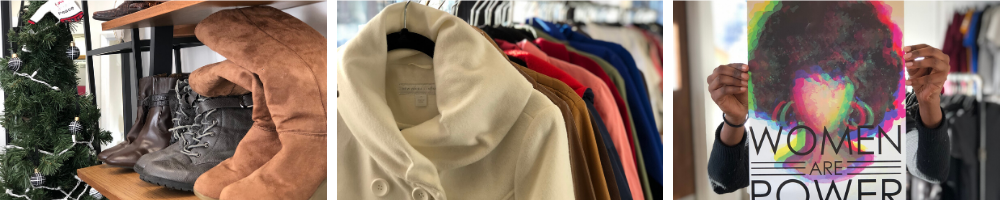
For your fashion-forward (and perhaps environmentalist?) friend, check out Sisterhood Boutique in Minneapolis’ Cedar-Riverside neighborhood. As a gently used clothing store that was designed by young East African women from the neighborhood about 5 years ago, today it continues to double as a youth employment program. So, not only can you snag some affordable, stylish clothes, but also know that your purchases support a space for young East African women to explore, express, and educate each other and their community. And hey—shopping resale is always kinder to our environment too.
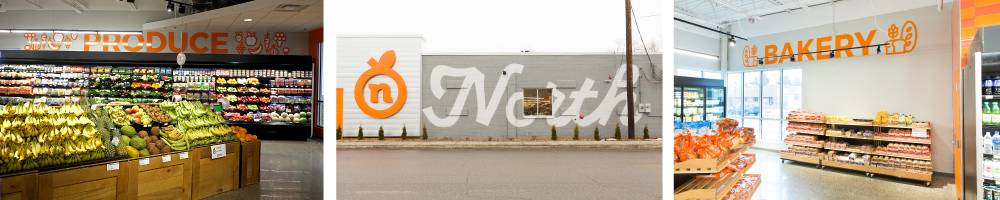
And, we can’t forget food for the festivities. Consider getting all your grocery needs at North Market, a new kind of grocery store uniting three elements of community health in one place: nutritious food, health care services, and community wellness. North Market hires from the surrounding Northside community, pays living wages, and has products from over 20 local vendors on their shelves. Stock your cart with some fine red meats, delicious pies, fresh produce, and more and support local this holiday season. (And with any purchases of $100 or more, you get a $25 gift card in return!)
So—whether it’s bike gear, clothing, or healthy foods, shopping our social enterprises this holiday season is a win-win. You get affordable, quality gifts for the folks you love AND the dollars you spend go directly to supporting valuable opportunities for people in our communities. Truly, gifts that give back. Thanks for keeping us in mind.
Location: 4414 N Humboldt Ave, Minneapolis, MN 55412
Hours: Open everyday, 9am – 9pm
Elizabeth Brisbin
A consequential election on November 2
By Kenzie O’Keefe, Policy & Advocacy Director
For roughly a year and a half, Minneapolis has reeled from a global pandemic and global uprising after the murder of George Floyd by our police department. Homelessness, hopelessness, poverty, and violent crime have surged. There is beauty and resilience in community, but these have been trying times.
On November 2, Minneapolis voters will have their first opportunity to let their opinions be known on how they think our elected officials have led us during this time of multi-dimensional crisis.
Here at Pillsbury United, we’re working hard to raise awareness for the upcoming election, where all city council and mayoral seats are up for grabs and three consequential questions—about power in City Hall, the future of public safety, and rent control—are on the ballot. There is too much at stake to sit this one out.
Here are some of the ways you can join us in driving turnout and informing voters:
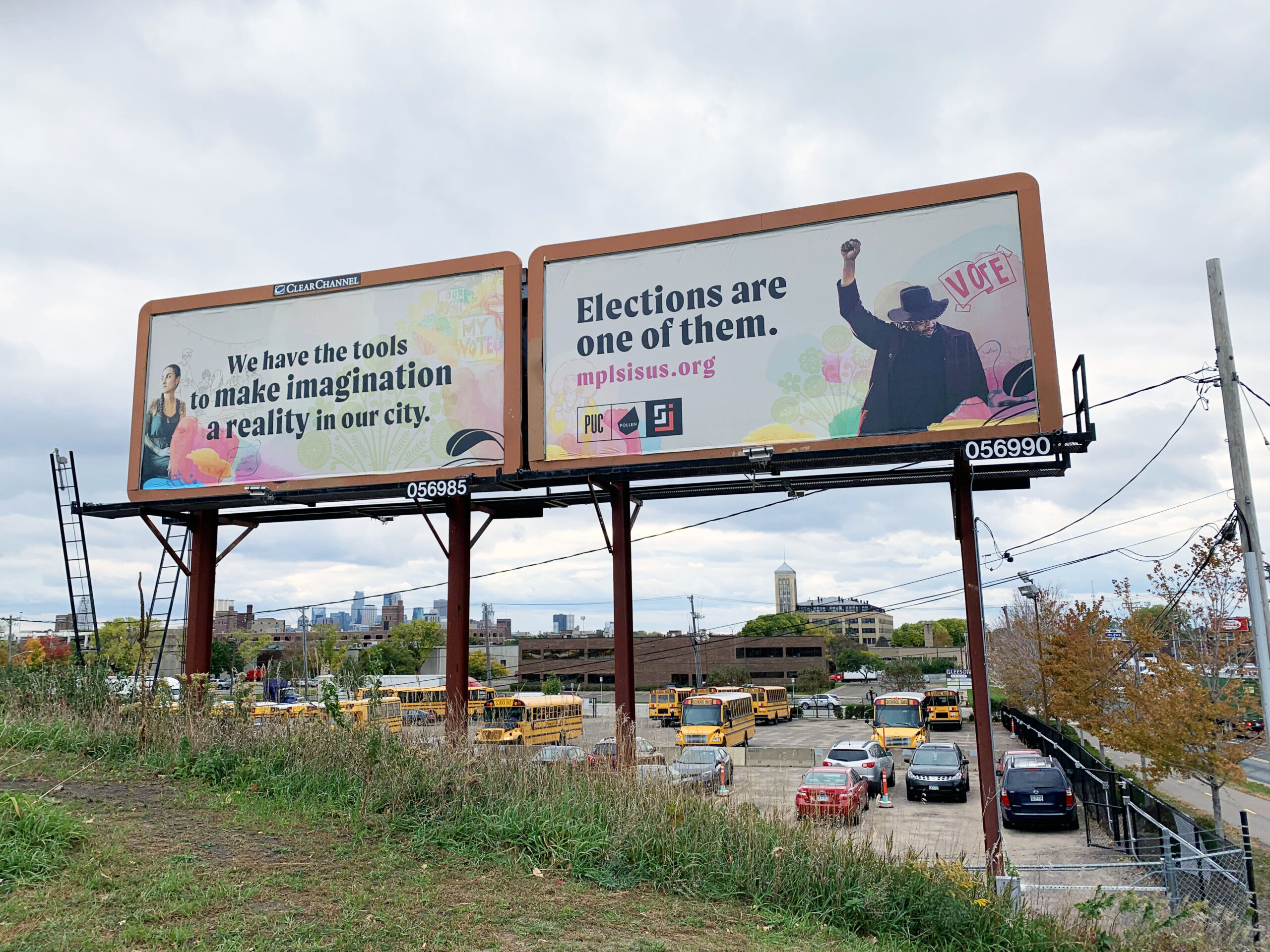
Read and share our voting guide created by our policy team, Pollen Midwest, and the Sahan Journal. Follow us all on social media and reshare our beautiful #MplsIsUs campaign.
Hear from candidates for city seats on “Power Perspectives,” a new show on KRSM Radio hosted by our community storyteller ShaVunda Brown and KRSM station manager Andrea Pierre. It airs Tuesdays and Thursdays from 9-10 a.m.
If you’re hosting an outdoor event in Minneapolis between now and November 2, our election outreach specialists (who speak Somali, Spanish, and English) are available to table and help folks make a safe plan to vote. Email [email protected]with inquiries.
Donate to Pillsbury United to support our GOTV efforts here.
Pillsbury United will be closed on election day so our staff can take time to vote and assist their neighbors in voting. We hope you also have the time and space to do your research and express your desires for the future on this year’s ballot.
If you have questions, we’re here for you. You can reach me directly at [email protected].
Elizabeth Brisbin
Where we go from here
On Tuesday, 12 jurors cracked open the window of justice. And we see a little light.
To be clear, the verdict in George Floyd’s murder should never have been in doubt. But we had reason for pessimism. Only rarely do police-involved killings of Black, Brown and Indigenous people even make it to the doorstep of our courts. When they do, officers are almost never held accountable—even for the most abhorrent abuses of power.
Floyd’s murder is part of a chilling pattern where policing in communities of color leads to senseless death again and again. Our hearts are already heavy this week as 20-year-old Daunte Wright, another unarmed Black man killed by local police in Minnesota, is laid to rest. Again a family and community mourns. Again we hear pleas for justice and vows for change. Again we have reason to doubt justice will ever be served. What will it take before we say as a state, enough is enough?
Right after George Floyd’s death, our state’s leaders stood up to declare that Black Lives Matter. A year later, we’re fighting for more than a hashtag. You can help us move lawmakers into action. We can’t wait for another tragedy before we act.
The Minnesota House has taken the courageous step with a public safety omnibus bill that builds on last year’s Minnesota Police Accountability Act. This slate of common-sense measures holds officers accountable for harmful actions and unties the hands of police chiefs in protecting life.
Stand with us in calling on Minnesota state legislators and Governor Walz to take immediate and decisive action on the following items:
HF1104: End qualified immunity. Help survivors of brutality or harassment by law enforcement get relief in the courts by ending qualified immunity for police officers.
HF1103: Rules on body cameras. Prohibit law enforcement from tampering with body camera footage of a deadly force incident and require footage to be released to family and representative within 48 hours.
HF640: Establish civilian oversight. Remove the current state law prohibiting citizen-led councils from imposing discipline on law enforcement officers.
HF593: Exclude white supremacists from police ranks. Change the Peace Officer Code of Conduct to prohibit anyone on the force from affiliating with, supporting, or advocating for white supremacist or other extremist groups.
HF1374: Track misconduct. Require police chiefs to report officer misconduct and help to identify officers with harmful patterns of behavior.
HF-107B: Limit Traffic Stops. Limit authority for police officers to stop or detain drivers for certain vehicle equipment violations.
We encourage you to reach out to lawmakers to express your support for these important acts of legislation:
We see the light of change peeking through. With your vocal support, Minnesota can throw the window wide open.
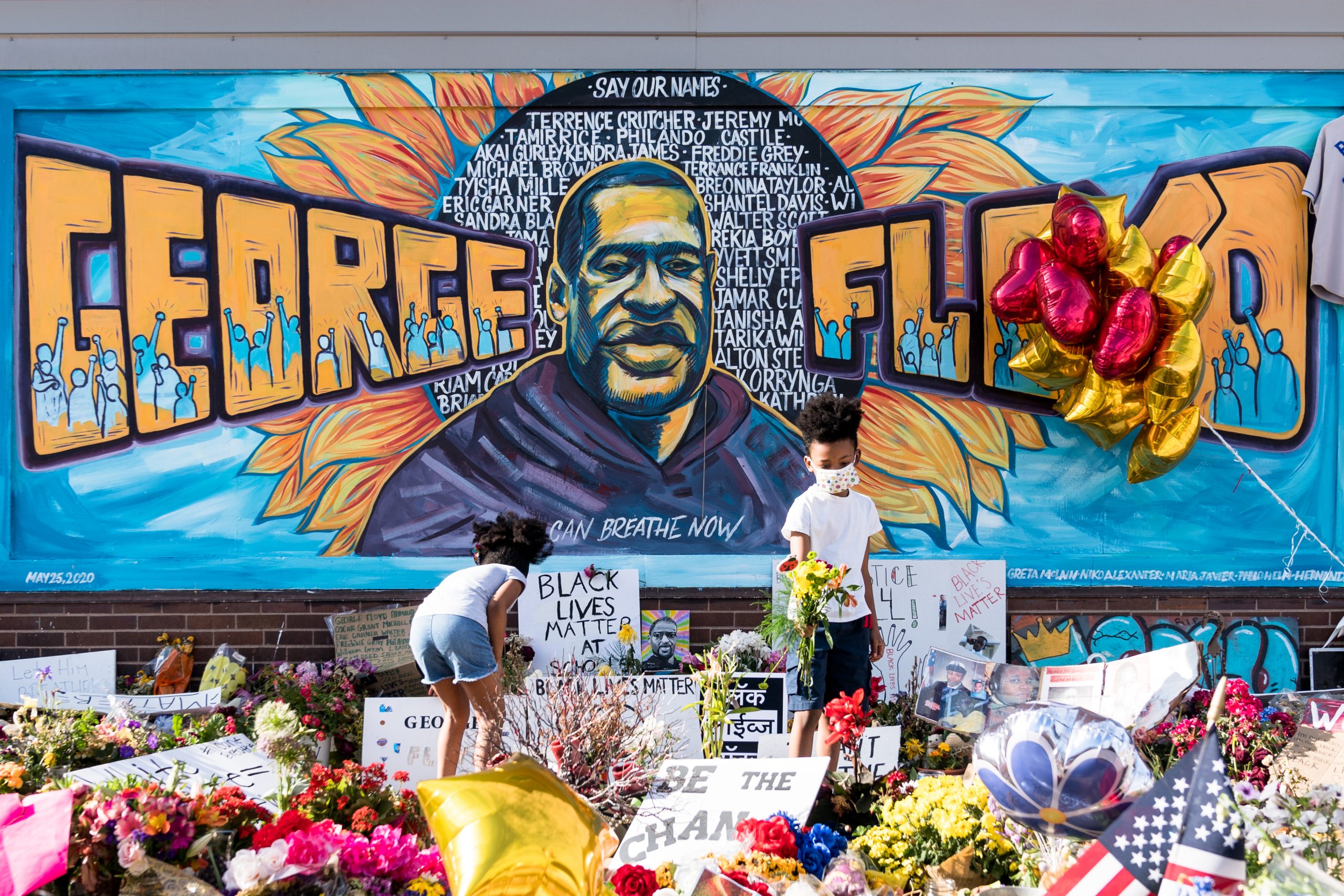
(Photo credit: Lorie Shaull)
Elizabeth Brisbin
Introducing a policy platform for justice
By Kenzie O’Keefe, Policy & Advocacy Director
If the catastrophes of 2020 (and now 2021) have taught us one lesson, it’s that dramatic, uncompromising structural change cannot wait a moment longer.
We need public policy that meets this moment. We need true, comprehensive healthcare, housing, healing, and justice for all. Now is the time for courage.
As a historically human services focused agency, Pillsbury United Communities is no longer content to influence public policy from the sidelines. We are entering into the new year with a brand new public policy agenda—the first of its kind for our organization. We are getting to work shaping public policy and government budgets to bring about the change our systemically oppressed communities have long deserved and been denied.
Our agenda is the product of over 100 conversations with our community members: our leadership, managers, frontline staff, program participants, clients, neighbors, and professional peers in the work. Our goal was to center community need, wisdom, love, and imagination in this roadmap for our governmental advocacy work.
Highlights of our 2021-22 commitments include:
Expanding access to affordable, culturally relevant models of holistic healthcare through the emerging field of community health workers, driving toward universal healthcare as an end result.
Increasing funding for culturally relevant, community-based programs and out of school time youth programming
Promoting equitable neighborhood development while protecting legacy residents with anti-gentrification measures
Tracking toward true public safety for all
Ensuring artists and the creative economy are economically stable
Dismantling the racial opportunity gap and incentivizing innovation in our public education system
Additionally, we commit to being anti-racist in our work, something we do humbly as a legacy institution that has at times been complicit in propping up the inequitable systems that we are trying to change through policy. We intend to be champions of shared power, advocating for policy that originates from, is co-designed by, and is evaluated after implementation by the communities it affects most.
It’s been a year like no other in our city. We’ve seen devastating loss and felt the reverberations of historic inequities throughout our communities. And yet, we’ve also seen the courage and collective will of our communities at work. A better future is possible. Now is the moment to stand together.
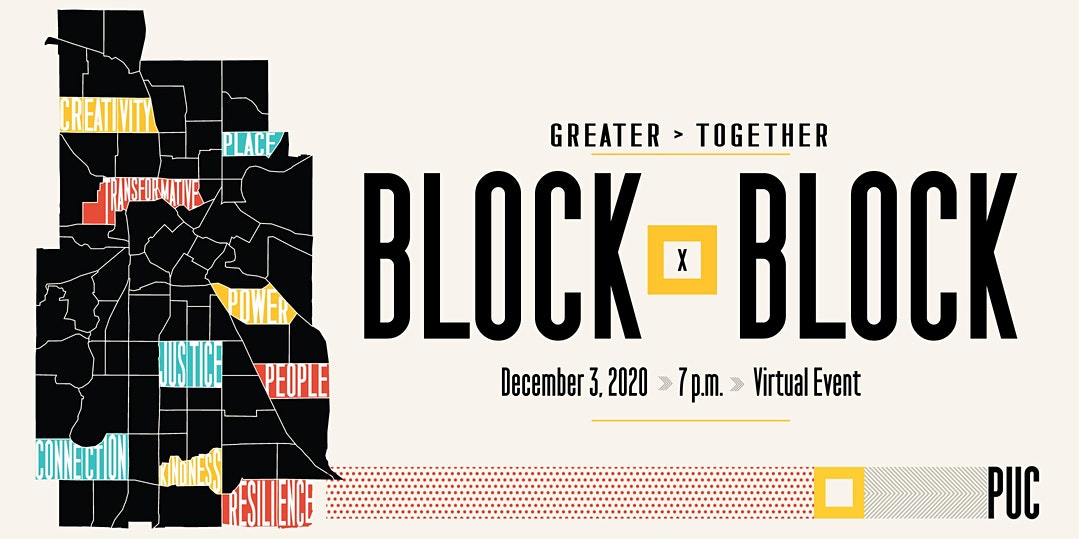
This year, we’re excited to announce Greater>Together 2020, an online event featuring artistic performances and courageous conversations led by our team of community-builders and change-makers. Join us on Facebook Live on December 3 at 7:00 p.m. CT to get a first-hand look at the impact we’re making in community and our ambitious vision of change.
The live broadcast will be free to all, but we are offering a variety of premium benefit packages to our close friends and supporters. We’re pleased to announce partnerships with Afro Deli, Mama Sheila’s, and Sammy’s Avenue Eatery, three Black-owned restaurants in our communities, to offer a delicious dinner for two, delivered to your door on December 3.
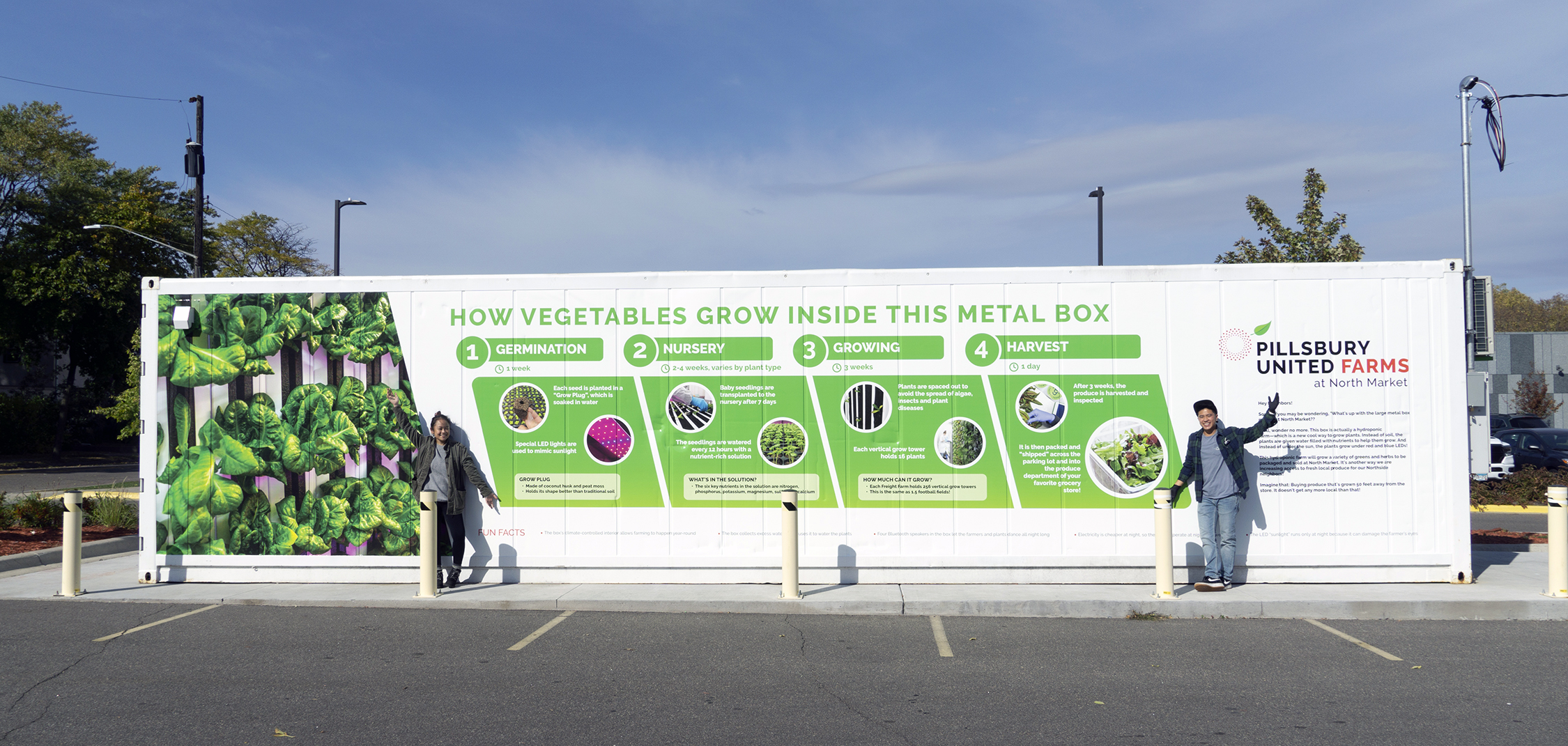
If you’ve visited North Market recently, you may have noticed a new neighbor in our parking lot. In partnership with Freight Farms, we’ve installed a hydroponic farm on-site, providing a year-round growing environment that will supply North Market shoppers with local, fresh greens and herbs.
But when we say that the Freight Farm at North Market is a “self-contained hydroponic growing environment,” what does that actually mean? What’s happening within these corrugated metal walls? What is the journey of a seed as it makes its way to the North Market produce aisle?
Step 1: Germination
The first step in the life of a plant is germination. We plant our seeds in a specialized “grow plug” made of coconut husk and peat moss. This eco-friendly growing material keeps its shape and holds water better than traditional soil, making it a better fit for our specialized hydroponic drip system.
Once the plug has been seeded, it is soaked in water and placed under red-and-blue LED lights. Our seeds require a lot of light at this stage—19 hours of sunlight every day over the next week—and the farmer closely monitors the growing environment to maintain an ambient temperature of 70° F.
Step 2: The Nursery
After seven days, our seeds have sprouted, and it’s time for their first move. Our baby seedlings are relocated to the upper level of the harvest table, which doubles as a nursery. Here, the tiny sprouts are watered every 12 hours with a special nutrient-rich solution to ensure they are free of disease and can begin to grow strong roots.
The baby plants continue to receive 19 hours of artificial sunlight per day. Depending on the particular crop, a seedling can spend anywhere between 2-4 weeks growing in the nursery before it’s ready for the next stage.
Step 3: Growing
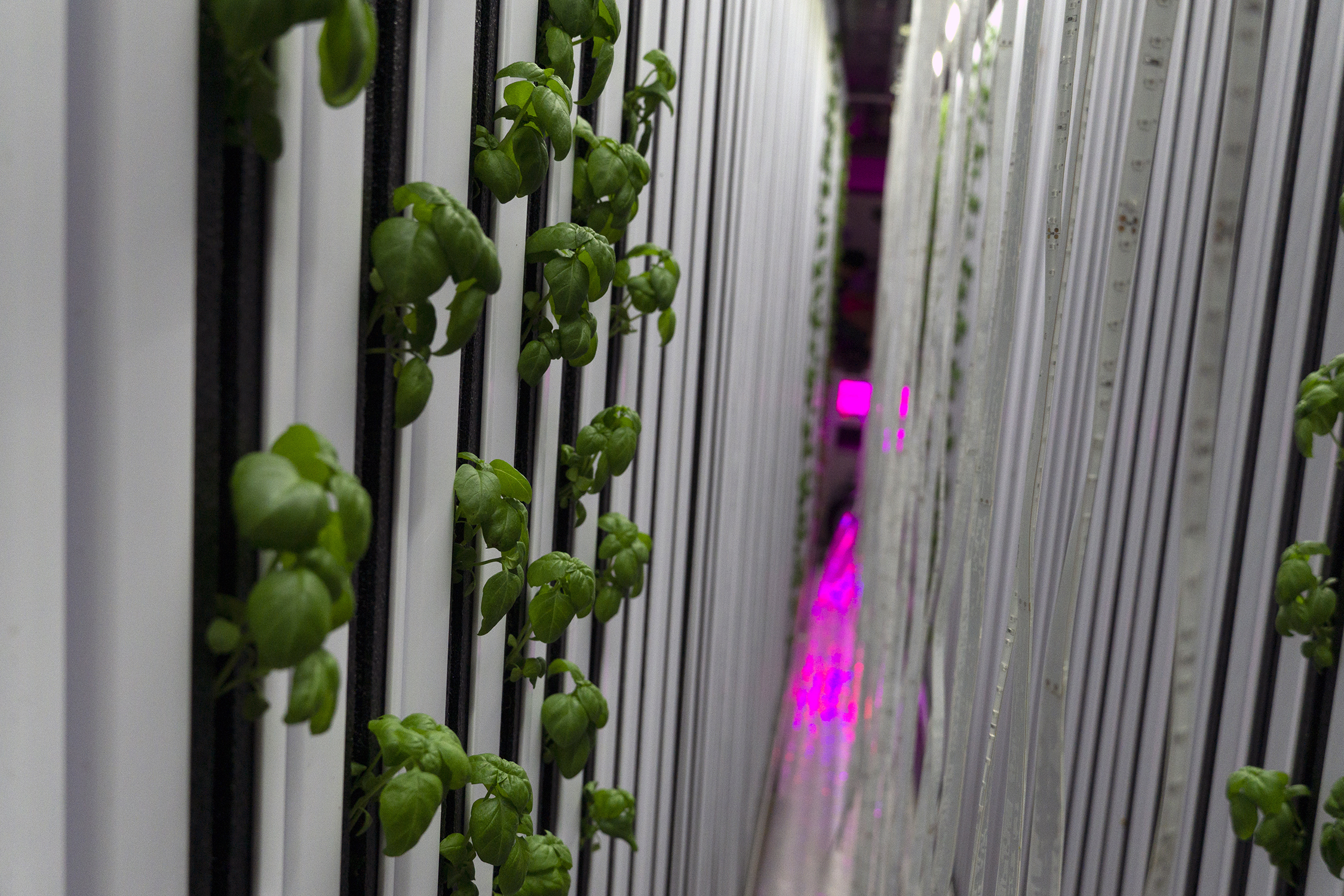
Once a seedling has matured, it’s time to transplant. The young crops are carefully removed from their seed trays and transplanted to vertical grow towers. These grow towers take up the majority of space inside the Freight Farm. Each plant is carefully spaced out to avoid the spread of algae, insects, and plant diseases.
Although the grow towers are made of plastic, a felt wicking strip in the center allows water to drip down and hydrate the crops. The interior of the Freight Farm holds 256 vertical towers, each of which holds approximately 16 plants—meaning that the combined grow-area of the Freight Farm equals approximately 2-3 acres of outdoor field space.
Step 4: Harvest
Finally, after three weeks in the grow towers, it’s time to harvest. The farmer uses a special harvest knife to remove the plant from the tower. Although this is the shortest step, it requires very careful planning on the part of the farmer. Ideally, when one plant is harvested, a new seedling is ready to take its place in the grow tower. This ensures a steady supply of fresh produce for North Market shoppers.
After a quick inspection to ensure the plant is ready to go, the produce is packed and transported across the parking lot for sale at North Market.
Did you know?
The interior of the Freight Farm is climate-controlled, meaning that plants can grow year-round—from the hottest summer day to the coldest winter night.
The Freight Farm is slightly tilted! While it’s not noticeable to the farmer, the very slight (3°) angle allows for any excess water to drain back into the Freight Farm’s storage tanks. Reverse-osmosis filtering helps purify the water, making it safe once again for human (and plant) consumption.
The Freight Farm interior is equipped with 4 Bluetooth speakers, allowing the farmer and seedlings to listen to music all day.
“Daytime” for our crops actually takes place at night! The Freight Farm’s LED lights create a lot of heat and can damage the farmer’s eyes without special protective glasses—so it’s easier to run the lights during nighttime hours, when the farmer isn’t present. By using the majority of our electricity at night, we also reduce the farm’s operating costs.
Elizabeth Brisbin
2020 Election: Our Future Depends on Driving Safe Turnout
For many of us, this fall’s election will be the most consequential of our lifetime. The heath, safety, education, and opportunity in our communities look to be shaped for generations to come by the outcomes.
We know that justice for the most marginalized among us requires making all our voices heard in our political system. Our democracy cannot become truly representative until the demographics of voters and elected officials are reflective of all the people who live and work in our communities.
We will be closed on election day so staff can focus on casting their ballots and getting out the vote. We have also launched an aggressive, inclusive, non-partisan campaign to educate and assist voters in making a safe plan to vote between now and Nov. 3. Big thanks to our funders CAPI, Hennepin County, and the Minnesota Council of Nonprofits for making this work possible.
Want to help us drive safe turnout during this election? Here are a few ways you can support our work.
Make sure your family, friends, neighbors, and other community members have a plan to vote safely. Voting options this year include:
Voting by mail/absentee: The CDC recommends voting by mail because of the pandemic. Offer to support folks in signing up for, completing and submitting their absentee ballots (by mail or by dropping them off at a ballot dropsite). FYI, you may only drop off three ballots in addition to your own in one election, according to state law.
Vote early at an early voting center between Sept. 18 and Nov. 2. Offer to drive people to the center if that’s possible for you. Early voting is 8am-4:30pm, Monday-Friday, with some weekend hours as the election gets closer.
Vote at your polling place on voting day. Offer to drive people to the polls on voting day. Look up a person’s polling place here. Polling places are open 7am-8pm. As long as you are in line by 8pm, you cannot be turned away.
Sign up for a non-partisan phone-banking shift with us and encourage others in your network to do the same. These are organized by CAPI and run Tuesdays and Thursdays from 5pm-8pm. Be sure to note you were referred by PUC when you sign up here.
We have hired seven outreach specialists to do non-partisan GOTV work in our communities between now and Nov. 3. They speak English, Spanish, Oromo, Somali, and Hmong. If you’d like a specialist to attend an event or other safe gathering of people you are involved with, email [email protected].
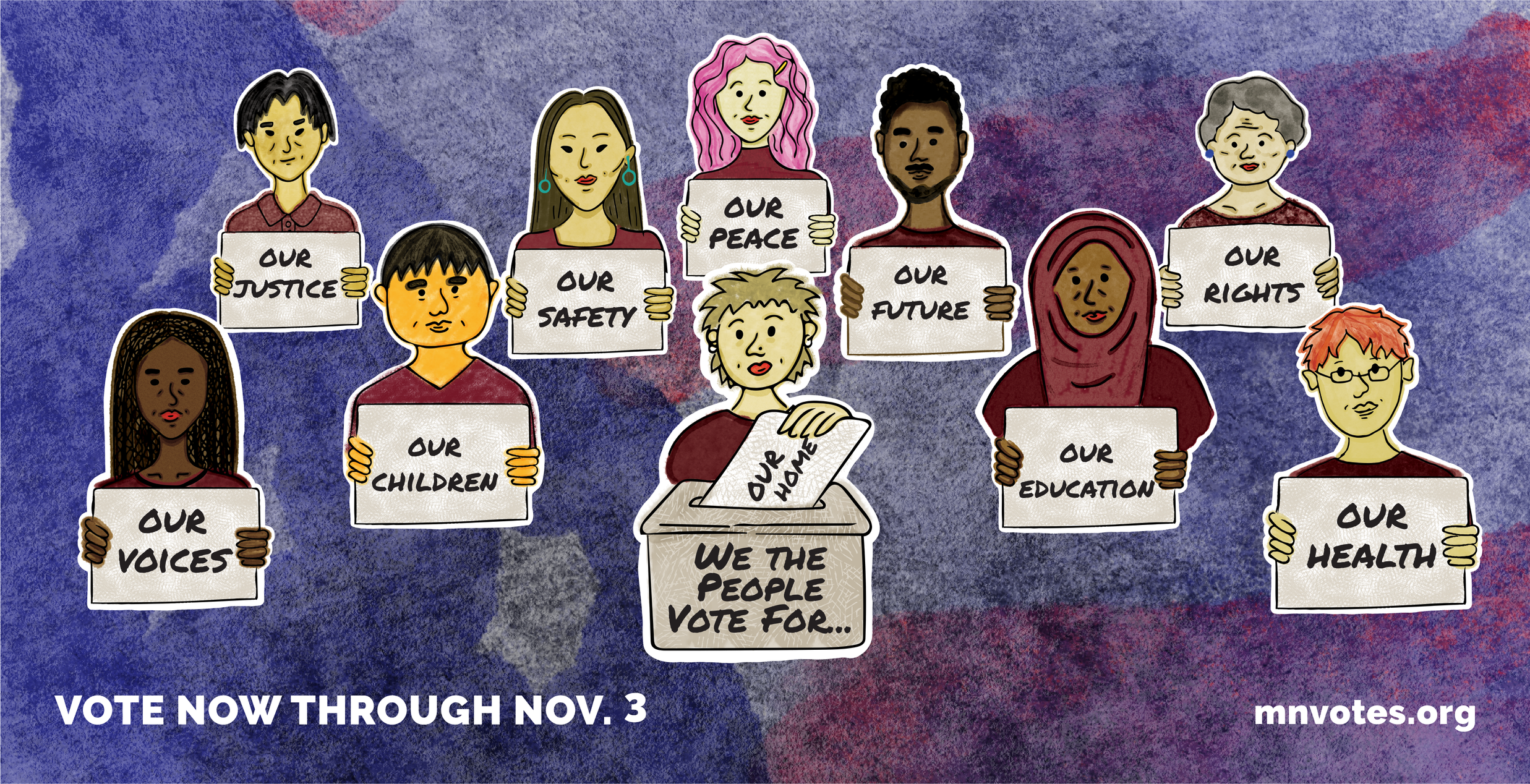
Share GOTV information from your personal social media accounts. PUC has hired two community-based artists to create a multi-lingual, visual GOTV campaign for us. We will distribute digital and physical assets by email and to our centers and enterprises as soon as they are ready.
The compounding effects of intersectional oppression are prominently on display right now. We have an uncontrolled pandemic, on top of the longtime public health crisis that is institutionalized racism. Our democracy is under threat. People are unhoused in record numbers. Gaps in wealth, health, and educational outcomes between the haves and have-nots in our communities are widening even further.
Reimagined systems are desperately needed, and Pillsbury United Communities is heeding that call. Through the lens of people, place, and prosperity, our leaders are aggressively advocating for upstream change that will build long term power in our communities. Additionally, our agency has launched a public policy team and a community development corporation to reimagine the structures that govern our day to day lives.
While we use our institutional power to lay a foundation for long-term change, we remain committed to immediate and short-term relief for those who’ve long borne the brunt of our country’s violent and inequitable systems. We must be responsive to the needs of today without settling for them as permanent fixtures of life in our city.
We hope you’ll join us in seeking justice. For advice on where to start, we’ve asked a few of our leaders to share their wisdom.
Tsega Tamene, Senior Director of Population Health
Tsega Tamene
COVID-19 has been a truth teller. It has exposed what was already in plain sight to many of us. Black, Indigenous, and communities of color have experienced the disparate economic, health, and psychosocial impacts of racism well before, starkly during, and very well likely after this pandemic—unless we choose a different world.
We must reimagine, redesign, and transform systems toward health justice. In doing so, we must fundamentally shift how we think, speak, and act about health and health inequities. Namely, we must shift from treating health as a commodity to health as a human right. Shift now by:
Lifting up local wellness and healing justice practitioners who identify as Black, Indigenous, or People of Color (BIPOC).
Joining policy advocacy efforts calling for the transformation of our healthcare payment system to prioritize the health of all people. Amplifying the voices of community health workers, doulas, and other critical roles who are lesser valued by existing payment models.
At Pillsbury House + Theatre, we employ roughly 300, mostly-BIPOC artists every year. Those folks, and the entire creative workforce, are extremely economically unstable right now because of the pandemic. This is a workforce that has been decimated like the restaurant industry.
Our artists are often activists who highlight systemic inequities and cast visions for liberation. They are called to do that imagining regardless of compensation. We need them right now more than ever, and many are being asked to do cultural labor unpaid. There is an expectation that they will always be here, but they won’t if we don’t act. Act now by:
Noel Raymond
Hiring an artist. Pay them generously for their time.
Donating to a nonprofit’s commissioning fund, so that they are able to hire artists (we have one here at PHT). If you run a nonprofit or work for one, create a commissioning fund and embed artists into your work, minimizing arduous reporting requirements and maximizing compensation.
We have built our systems and models of youth programming to complement school models. For better or worse, we live in the tangled webs of integrated systems. When Minneapolis Public Schools change their offerings, we have to pivot too. With school not returning to the status quo this fall, these structures that we’ve played off of always, don’t exist anymore. We have to figure out new ways of engaging our young people and supporting their families in the process. We have to do so in the midst of so much uncertainty about the future of school day education—this year and beyond.
Funding for youth programming in Minneapolis, particularly K-5, has been decimated in the last decade. Our stressed, barebones system of out-of-school youth programming is now being asked to completely reinvent the way it operates to support entirely new needs. We need to return to a system where every child and family has access to a community center that offers a holistic, integrated model of support—tutoring, entertainment, meals, space to just be together.
Support this work by donating to the chronically underfunded community centers, like Waite House, who provide whole-family support. Advocate for more out of school time youth funding in the 2021 Minneapolis city budget—and the state budget. This is violence prevention work. This is an investment in the future of our city.
Antonio Cardona, Director of Office of Public Charter Schools
Antonio Cardona
Resources are not scarce. They are inequitably concentrated. If we are serious about reimagined systems, we have to question and tactically change what we value and where we direct resources. In public education, we have a simple, yet fundamental challenge: funding for public education is rooted in property taxes that are a result of decades of purposeful housing and employment discrimination. We need to change this system.
Secondly, just as we have been talking about social determinants of health for the last two decades, there are also social determinants of education. COVID-19 and George Floyd’s murder has laid bare the ways in which the most marginalized are the first effected by societal change. Think of a tsunami. First, the water recedes, exposing the gunk just beyond the shoreline. Then, the water slams that same shoreline, throwing everything into disarray. Those on higher ground are able to escape the worst effects. This exposes what kids and families need in order to grow and learn. Stability, food, housing, health care, family businesses—all of the things that have been decimated during this time.
Take action by supporting and participating in the civic institutions that push population-level work forward; voting; completing your Census; and paying attention to city council meetings, school board meetings, and commission decisions. Support and hold your officials accountable while trying to avoid a descent into unhelpful or uneducated dialogue.
Elizabeth Brisbin
Justice can’t wait
By Adair Mosley, President and CEO
We are resilient. We are resourceful. We are responsive. And we are ready to respond in new ways.
George Floyd was murdered three weeks ago. In response to this tragedy, we have a duty to transcend the boundaries of what we previously thought possible. We must design a more just world for all.
Here at Pillsbury United Communities, we are doubling down on our commitment to co-create that new world. Today, we announce two new initiatives emerging from our strategic framework. Both are aimed at dismantling white supremacy and centering BIPOC prosperity in this place we all call home.
Policy as a tool for social change. Together, with the black, brown, indigenous, poor, and queer communities we serve, we will reimagine the systems that govern and oppress us. Policy has shaped community. It’s time for community to shape policy. Kenzie O’Keefe, former editor and publisher of North News, will lead our new policy team. Visionary filmmaker DA Bullock will document community truths, challenging the false narratives that have stood in the way of meaningful change. In the coming months Kenzie and DA, along with youth intern Azhae’la Hanson, will finalize a long-term policy agenda for the agency while actively supporting and amplifying efforts already underway. They are already collaborating on a short docuseries about the possible futures of public safety, prototyping a more just solution to cash bail, and partnering with Hennepin County on the reduction of racial disparities through county policy.
Powering equitable economic development.Black, brown, and indigenous neighborhoods have been chronically disinvested in, and residents have been intentionally blocked from opportunities to create generational wealth. That ends now. We are partnering with our communities to plan, fund, and actualize community-centered neighborhood development. Our new community development corporation, Justice Built Communities, will prevent gentrification and displacement while driving enterprise development and wealth creation in BIPOC communities of greater Minneapolis.
Our policies and communities can be reimagined so that every person has the opportunity to flourish, regardless of zip code. This is justice.