Congrats 2020 FANS Grads!

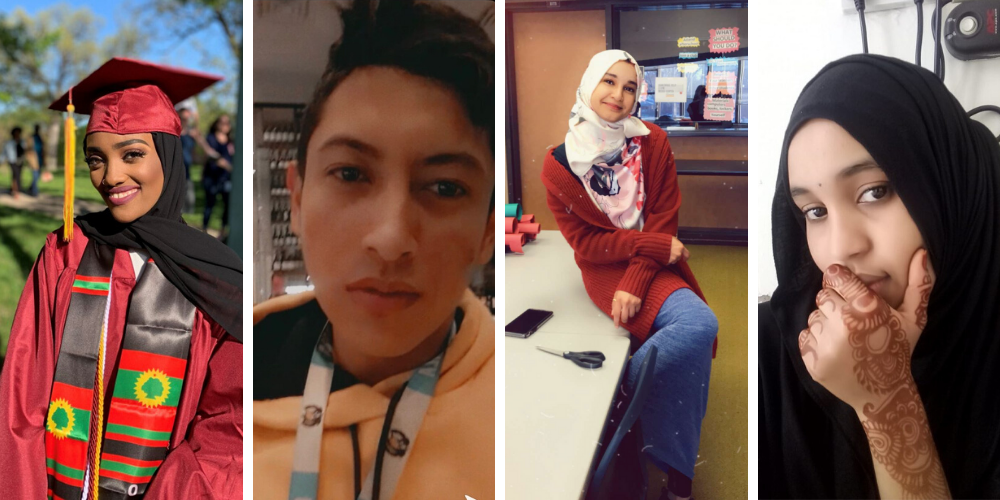
Amid a global pandemic and an unprecedented wave of protests in Minneapolis, the class of 2020 has had a very unusual senior year. And yet despite these unique hurdles, this year’s FANS seniors have pushed through to high school graduation. We couldn’t be more proud of their accomplishments.

FANS is a college and career mentorship program for high schoolers, specifically working with students of color, recent immigrants, and other groups that have been historically underrepresented in higher education. Upon completing the program and graduating from high school, students are eligible for a scholarship to help pay for their continuing education. FANS scholarships are funded entirely thanks to donations from our network of supporters, and 100% of contributions go directly to students to help cover books, tuition, and other expenses.

Keep reading below to meet some of our 2020 FANS graduates below and hear what they have to say about their experiences in the program.

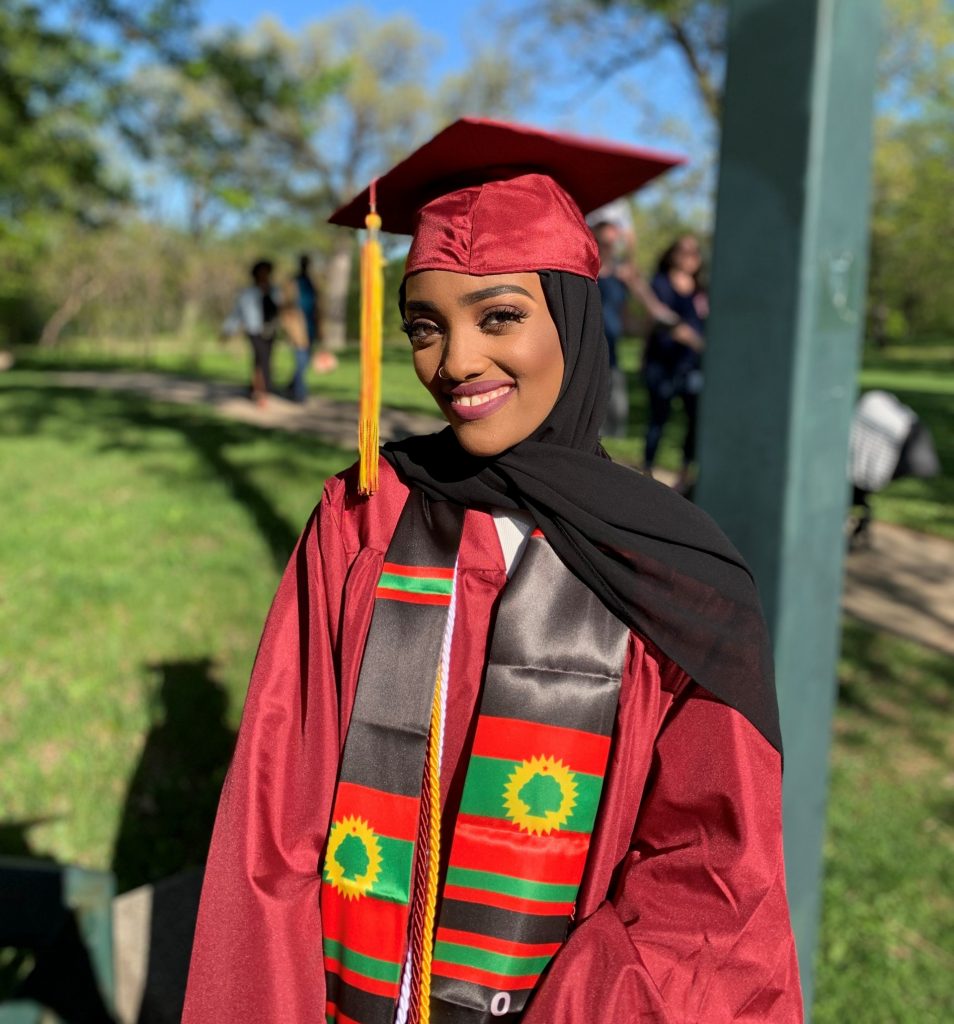
Meet: Zubeda, Roosevelt High School Grad

Why is it important for you to go to college?
It is important for me to go to college because I want to help my family and not depend on anyone else—so I want to give it back to my community, and I feel like going to college and getting an education is the only way I can do that. I also want to go to college because all my life I’ve been going to school and I want to continue to get the education that I need that my friends didn’t get in Ethiopia.

Tell us about your experience with FANS.
FANS has help me prepare for college in many ways. I remember when I first started, I wasn’t really sure about college or what college was, but this program has help me figure out why I need to go to college. I’ve seen people who have been in [FANS] go on to college and become successful, and I want to be like them. It has helped me by going on tours, looking at how I can pay for college, talking with college admission counselors, and just basically preparing me for life after high school.

7 ways to stand with our communities during COVID-19

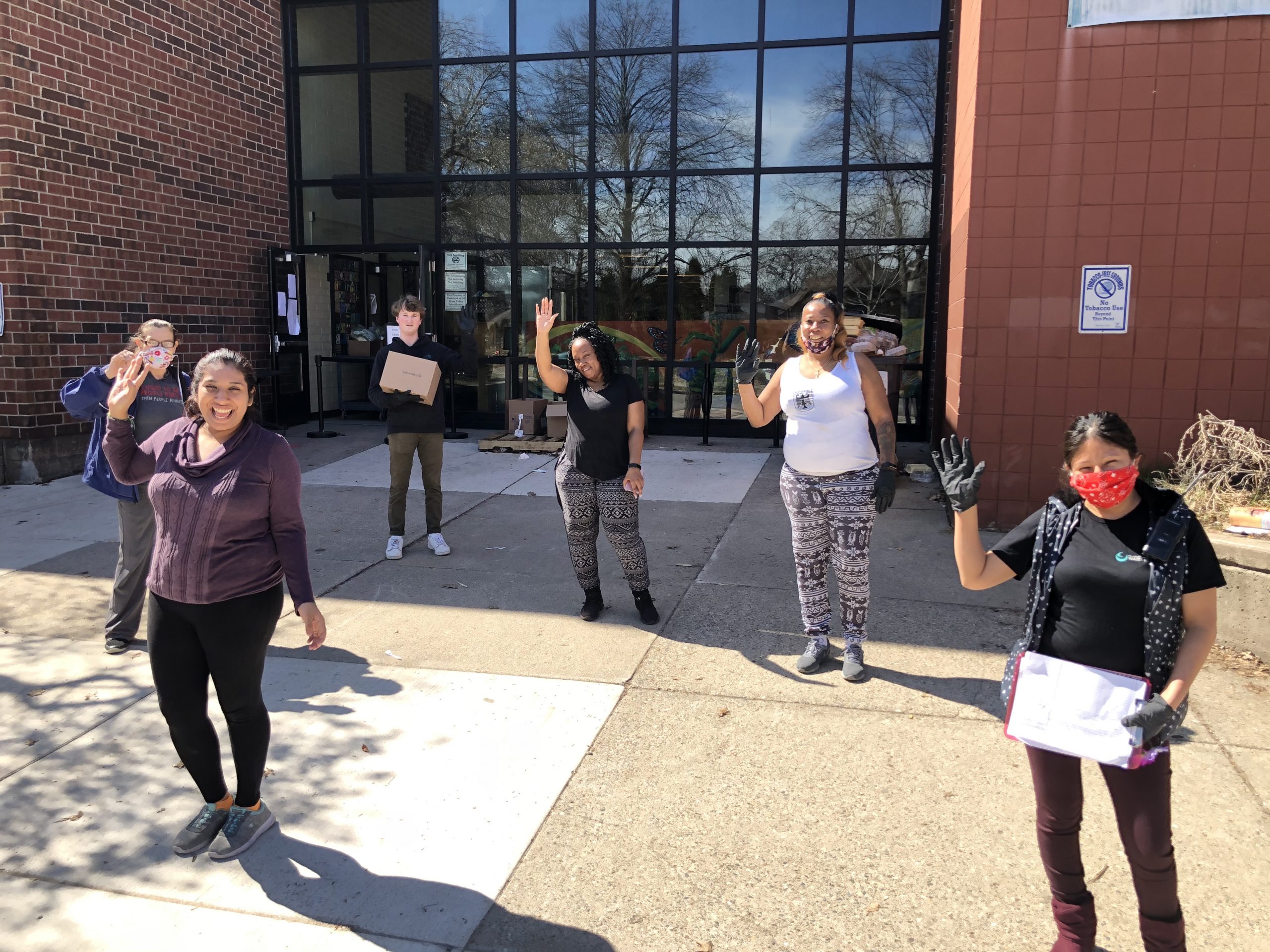
Waite House staff observing social distancing at food distribution site

Wanting to show up for community right now, but not sure how? In addition to a financial contribution to groups that are providing emergency relief services, here are some other ways you can support our communities in these times of social distancing.

1. Make masks for our essential service workers and community members. Our emergency food and childcare teams are working hard on the front lines to provide needed services to Minneapolis families. In less than a month, our food programs have distributed almost 100,000 pounds of food to more than 1,000 families! But, as with others engaging in front-line work, we are always in need of of face masks to ensure the safety of our team. Not only that, but many of the folks coming for services are also facing difficulty accessing masks, something we’d like to assist with! If you have some extra time on your hands and want to hone some craft skills, consider making homemade face masks for our direct service workers and neighbors. Contact Kim with questions and/or to arrange delivery: [email protected], 612-302-3499.

2. Call in to KRSM Radio. Though we are distancing physically, KRSM Radio is working hard to keep content fresh and to keep folks connected over the airwaves. You can call 612-208-3808 and leave a message for KRSM to share with the community. Tell us about how you’ve been finding joy in these strange times; give a recipe to try; sing a song or recite a poem; share great resources available in your neighborhood; or just tell us how you’re holding up. Let your neighbors, friends, and family hear your voice!

3. Clean out your closets for Sisterhood. Feel like doing some spring cleaning while you’re stuck inside? We encourage you to take a look at your clothing closet! Located in the Cedar Riverside neighborhood, Sisterhood Boutique is our gently-used clothing store that doubles as a youth social enterprise. They are always looking for clothing, shoes, and accessory donations (again, gently used please!) to add to their merchandise. So though you might not be able to make the physical hand-off until the shelter-in-place order is lifted, you can feel good knocking out this project ahead of time. Your (future) donation helps fuel a program that equips young East African women leaders with tools and skills for school, life, and more.

4. Shop at North Market. We all still have groceries to get and certainly have a lot of options from where to get them. Consider trying out our nonprofit grocery store, North Market, if you haven’t had a chance yet. It’s not only a full-service grocery store, but also a center for wellness services and a community gathering place in Minneapolis’ Camden neighborhood. It is important to note that they are taking several measures to ensure the safety of their shoppers in light of COVID-19 as well. (Plus, did you know that you can get 50% off all fresh produce EVERY Wednesday!?) Your shopping dollars help support this long sought after community food resource.

5. Read and share North News. Quality journalism doesn’t stop in the middle of a pandemic. With some extra time on your hands, grab a cup of coffee and settle in to read our Northside print (& online!) newspaper, North News. A truly community-based media outlet, North News prides itself on telling the whole stories and truths of Minneapolis’ Northside, not just the one-dimensional narratives often showcased in mainstream media. Like what you’re reading? Share it with your friends and family, and consider signing up to get a copy of the paper delivered to your doorstep each month.

6. Complete the census! Everything happening now is a reminder that our communities are in need of more resources. But did you know that those resources are often allocated based on population numbers from the census? Yep, even for recovery efforts in a crisis such as this. Not to mention housing assistance, school meals, SNAP, WIC, and so on. We only get the appropriate amount of resources if we are counted. We only get adequate political representation if we are counted. If you haven’t already, please take 5 minutes and complete the census today. This is a simple action with significant repercussions. Count your household today and encourage those you know and love to get counted as well.

7. Make a monthly gift. A financial gift is one of the best ways you can support our work during these uncertain times—and one of the best ways to support us financially is by becoming a monthly donor. We know that this will be a long-term struggle. Even after the crisis has passed, our communities will be living with the economic impacts for years to come. Help us continue showing up by signing up for a monthly gift. For as little as $5 per month, you can become part of a circle of grassroots supporters who are enabling all of our vital efforts in community.

Now more than ever, we know that no matter where we go from here, we go together. Thank you for showing up for our communities.

Gifts that Give Back

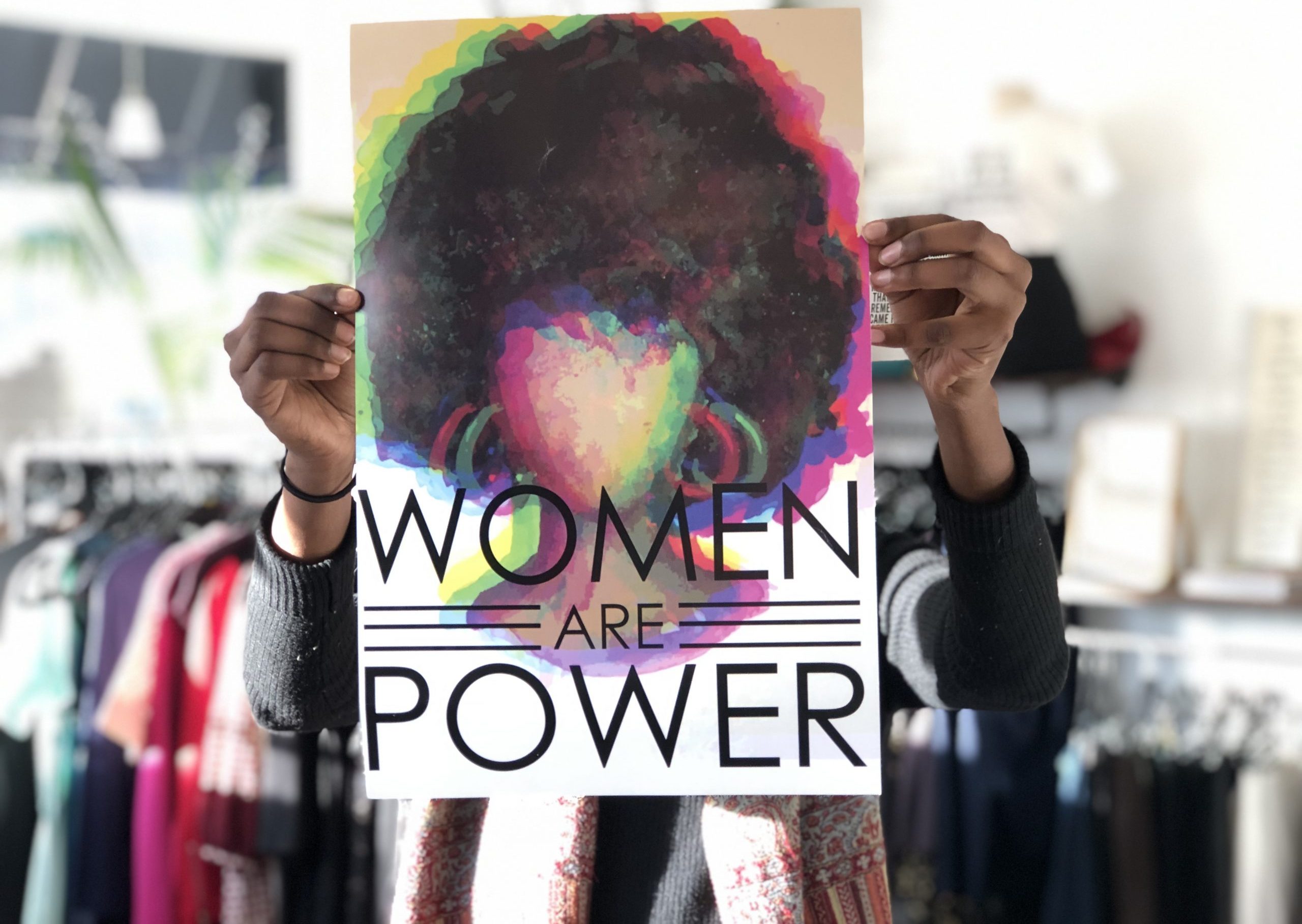
"Women are Power" sign held up at Sisterhood Boutique

It’s that time of the year where many of us are out hustling and bustling in search of that perfect gift for someone special. While you are planning out your shopping stops, don’t forget to keep our social enterprises in mind. This holiday season, support your community by shopping with a purpose.
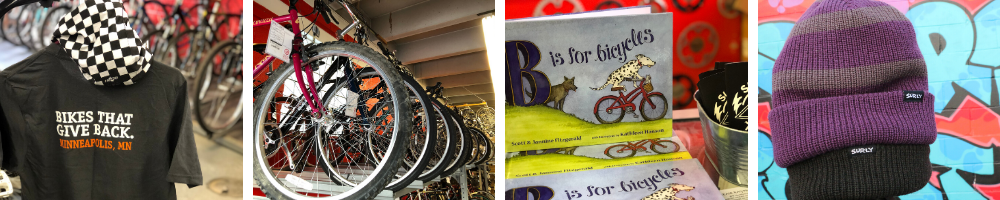
Gifts from Full Cycle

For the biker in your life, consider hitting up Full Cycle Bike Shop in South Minneapolis. From bikes to beanies, hoodies to buffs, t-shirts to studded tires—you’ll be sure to find great gear that supports a great cause. So much more than your run-of-the-mill bike shop, Full Cycle supports young people experiencing homelessness through employment and training in the shop, free bikes, emergency food access, and more.

Special Offer: Bring this coupon in to get 25% off all tune-ups and overhauls through December 31, 2019.

For your theatre enthusiast, don’t forget Pillsbury House & Theatre. As a hub for transformational art, it engages communities in important conversations that lead to positive changes. And guess what? Firmly rooted in a belief that theatre and the arts should be accessible to everyone, they use a pick-your-price ticketing system for their shows. So whether you can swing $15 or $5, you and yours can enjoy powerful works of art by local talent, and know your dollars help make their community building work possible.
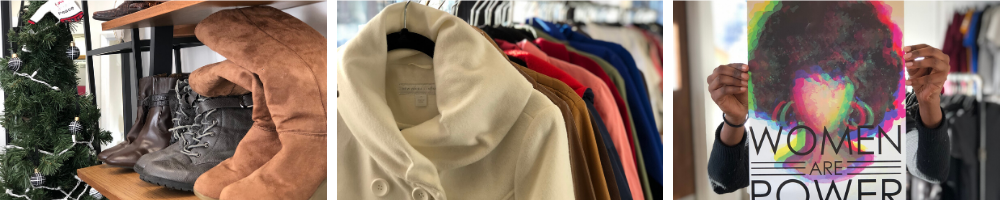
Photos from Sisterhood Boutique

For your fashion-forward (and perhaps environmentalist?) friend, check out Sisterhood Boutique in Minneapolis’ Cedar-Riverside neighborhood. As a gently used clothing store that was designed by young East African women from the neighborhood about 5 years ago, today it continues to double as a youth employment program. So, not only can you snag some affordable, stylish clothes, but also know that your purchases support a space for young East African women to explore, express, and educate each other and their community. And hey—shopping resale is always kinder to our environment too.

Special offer: Make your dollars go even further! Bring this coupon in before December 21, 2019 to receive 25% off your total purchase.
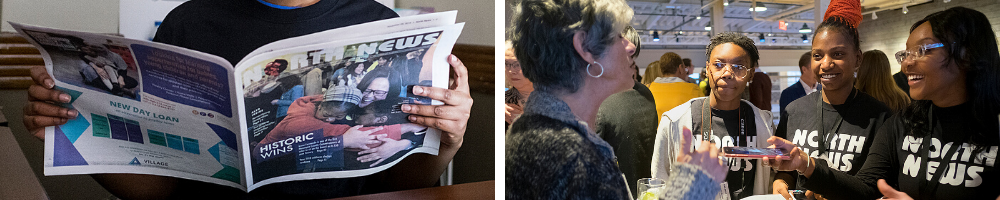
Photos of North News & Student Journalists

For your news buff buddy, hook them up with an annual subscription to North News, a grassroots community news source that deepens understanding of and appreciation for North Minneapolis through interrogative and community-sourced journalism. And, what makes this media outlet extra special is that it’s produced in part by student journalists who are gaining media-making skills while expanding perceptions of their community. So not only could you get quality, locally curated news delivered to your (or your buddy’s) mailbox each month, but your subscription supports a training program that is preparing the next generation of journalists, reporters, and media-makers and shakers.

Special offer: Through December 31, 2019, get 50% off the annual subscription price with this coupon!

And for that person in your life who always seems to have the best music recommendations, introduce them to 98.9 FM KRSM, a radio station elevating the vibrant conversations of Minneapolis’ southside. With 20+ shows and programming in 6 languages, KRSM creates an on-ramp to media careers for youth and adults. While listening to the station is always free and there is currently no merchandise to purchase, one gifting option is to make a ‘tribute gift’ in honor, memory, or support of someone using their donation form. Your contribution supports a hyper-local platform amplifying the voices, stories, cultures, and conversations that are often misrepresented and erased by traditional media.
Photos of North Market

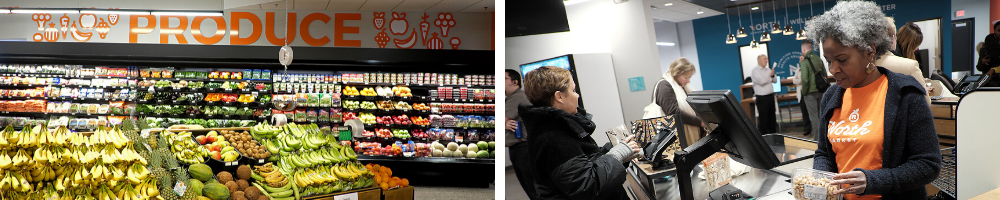
And, we can’t forget food for the festivities. Consider getting all your grocery needs at North Market, a new kind of grocery store uniting three elements of community health in one place: nutritious food, health care services, and community wellness. North Market hires from the surrounding northside community, pays living wages, and has products from over 20 local vendors on their shelves. Stock your cart with some fine red meats, delicious pies, fresh produce, and more and support local this holiday season. (And with any purchases of $100 or more, you get a $25 gift card in return!)

Special offer: Get 25% off fresh produce at North Market grocery store through December 31, 2019 with this coupon.

So—whether it’s bike gear, northside news, theatre tickets, or something else, shopping our social enterprises this holiday season is a win-win. You get affordable, quality gifts for the folks you love AND the dollars you spend go directly to supporting valuable opportunities for people in our communities. Truly, gifts that give back. Thanks for keeping us in mind.

Celebrating 140 years at Greater>Together 2019

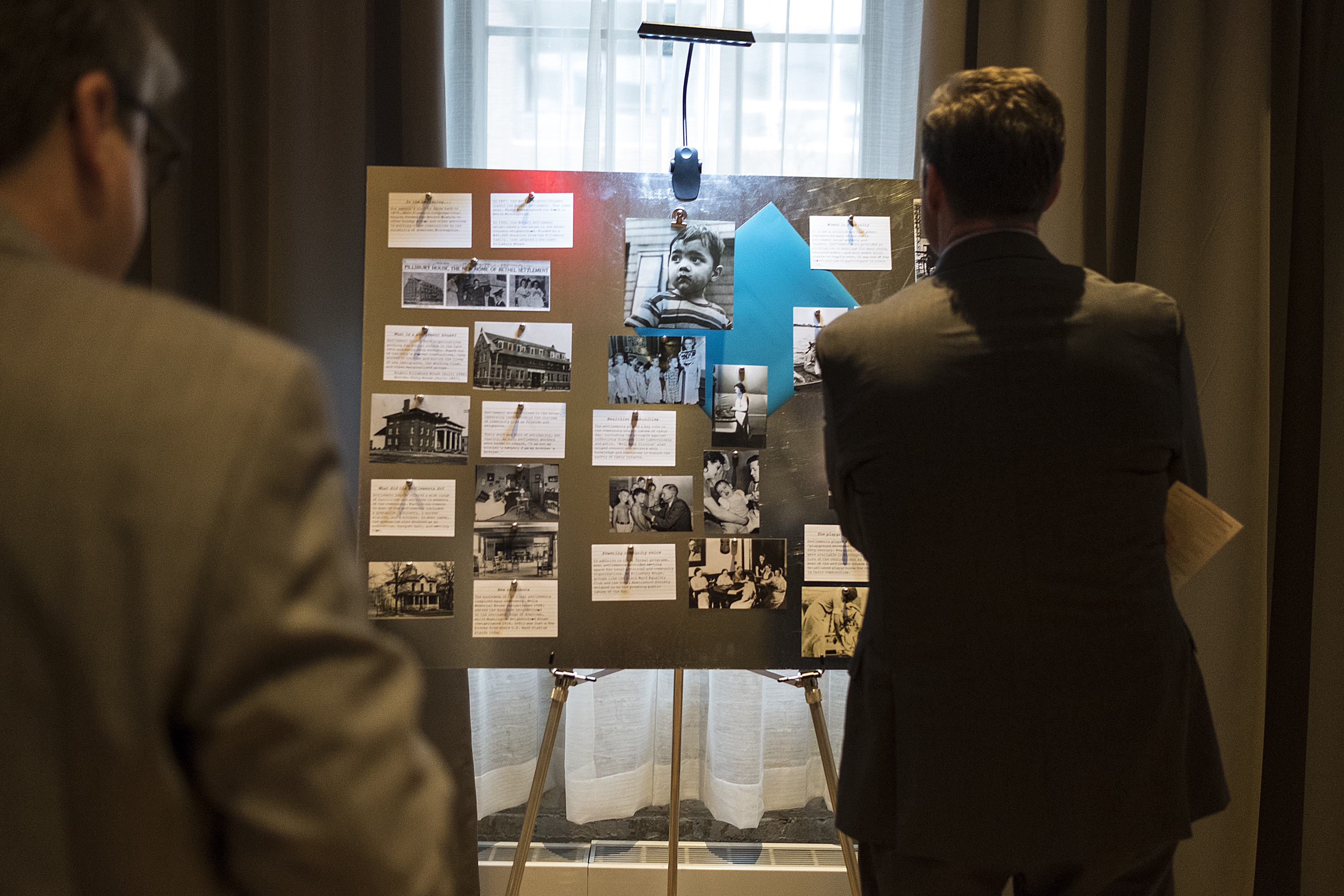
Historical display at Greater Together 2019

On October 2, friends and supporters of Pillsbury United Communities joined at the Machine Shop in Northeast Minneapolis for Greater>Together, our annual fundraising gala. This year’s event was particularly meaningful for Pillsbury United, as 2019 marks our agency’s 140th anniversary.

The evening’s program helped bring the full breadth of this history to life, alongside a series of historical displays and murals specially prepared for the event. Mayor Jacob Frey was also on hand to officially commemorate the anniversary by proclaiming October 2, 2019 as Pillsbury United Communities Day. By the evening’s close, attendees came away with a renewed appreciation for the past, present, and future of our work, from the earliest roots of the settlement house movement to the 21st century.

Greater>Together represented the culmination of more than a year’s worth of research and story-gathering, drawing on an extensive archive of records and photographs maintained by the University of Minnesota’s Social Welfare History Archives (SWHA). These files date back to the earliest days of our agency. To prepare the event materials, Pillsbury United staff reviewed thousands of physical photographs and drew from more than a thousand newly digitized photos from the collection. Many of these images have never before been presented to the public.

“The archives show a side of history that isn’t always included in the historical narrative,” says Sam Daub, a content strategist at Pillsbury United Communities who oversaw much of the research and content-gathering. “You get a glimpse into the lives of regular people—not just the ‘great men’ of history, but families, immigrants, the working class… the people who came together to create the fabric of our communities. It’s a fascinating story that continues to resonate into the present day.”

Although much of this work was publicly unveiled at Greater>Together, followers of the Pillsbury United Facebook page have been receiving a preview every Friday since the start of 2019. Using the hashtag #pillsburyunited140, our agency has spotlighted key moments and fun facts spanning the entirety of our 140-year history. Some of these highlights include:

Although we are nearing the end of our 140th anniversary year, plans are already underway to continue exploring this rich and varied history into our 141st year and beyond. A new podcast, currently in pre-production and slated to begin in 2020, will highlight the impact of the tumultuous 1960’s on Minneapolis settlement houses. A series of planned talks at each of our neighborhood centers will also delve into the hyperlocal histories of the communities in which we’ve lived and worked.

“This history lives on in the communities and the people we serve,” Daub says. “By sharing these stories, we’re able to provoke new conversations about the scope and impact of our work since 1879. Ultimately, it’s all in service of sustaining and enriching the work we’re doing today.”

Click here to view photos from Greater>Together 2019.

Transforming community through art, theatre

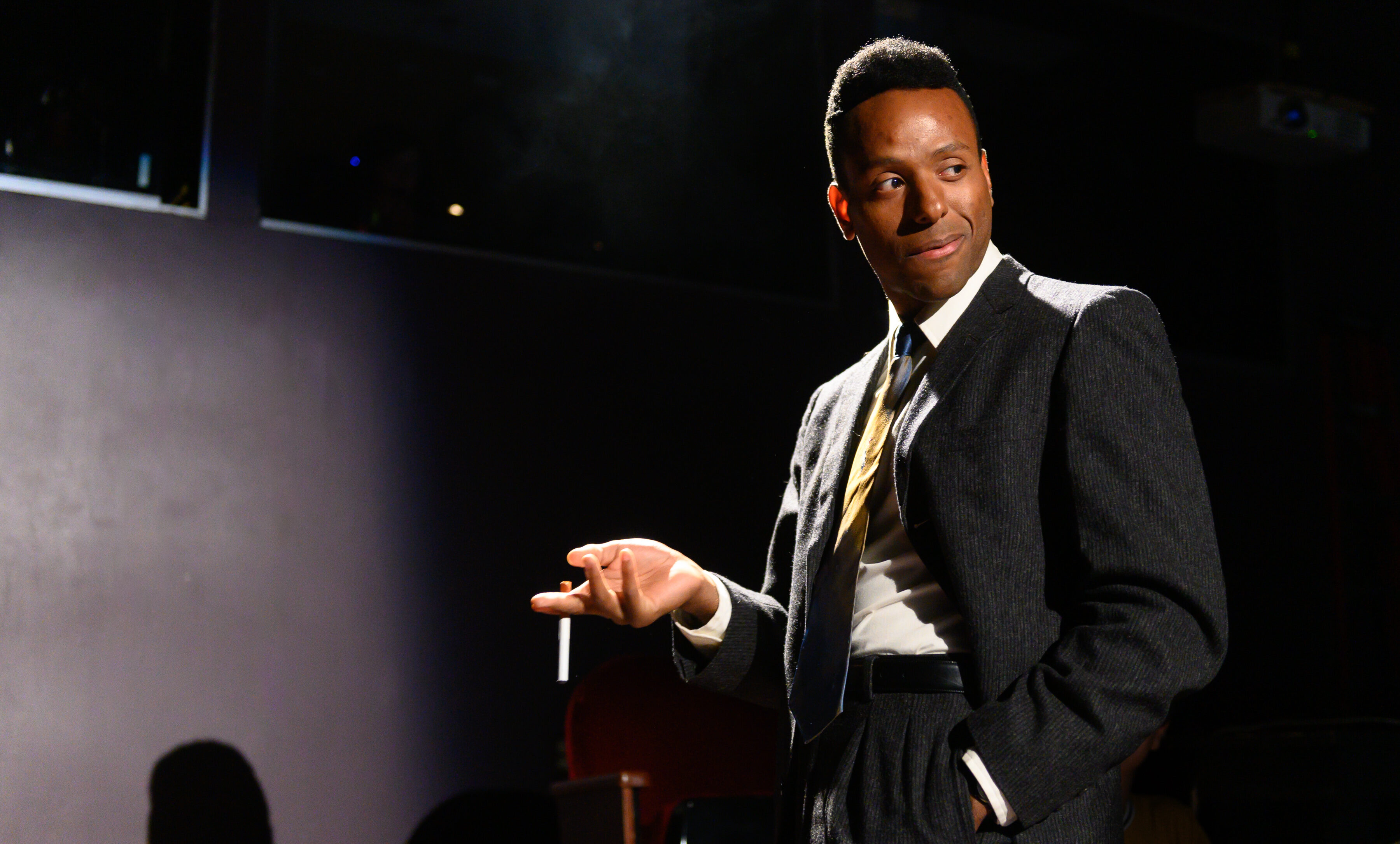
Jon-Michael Reese from Pillsbury House Theatres’ ‘Jimmy and Lorraine: a Musing.’ Photo by Rich Ryan

Pictured above: Jon-Michael Reese from Pillsbury House Theatres’ ‘Jimmy and Lorraine: a Musing.’ Photo by Rich Ryan.

Recognizing that art has more to offer than just a means in which to be entertained, Pillsbury House and Theatre continues the early settlement house tradition of using art as a transformative tool for social justice, a way for people to connect and promote cultural understanding. Speaking of their work within the overall mission of Pillsbury United Communities, Faye Price, Co-Artistic Producing Director of the Pillsbury House Theatre and Co-Director of Pillsbury House, says, “I always think that art, and specifically the art that we do, is another path to health and wellness.”

Their current production, Jimmy and Lorraine: a Musing by Talvin Wilks, explores the lives of James Baldwin and Lorraine Hansberry, prominent artists and civil rights activists of the 50’s-60’s whose words regarding politics, race, and relationships remain timeless. Price, speaking about how the lives and work of these two individuals are still so relevant in light of the inequities our country continues to face, says, “Our hope is that people can watch these characters—and relive in some cases—or learn who they are and what they had to offer us. And their words of hope, their words of anger. Why does this all feel so familiar decades later? Why are we still going through all of this?” And, at the end of it all, when the lights go down and the play concludes, for the playgoers she hopes for some kind of transformation, that “something has been touched to make them question an event, a feeling, a belief, a thought.”

In addition to theatre being a powerful tool to shift mindsets, it also provides a unique way for strangers to connect. Hull House, the first settlement house established in the U.S. by Jane Addams, used theatre as a way for new European immigrants to mingle. With Italians showcasing the work of their best Italian playwrights, the Polish putting on plays produced by their own best artists, and so on and so forth, different groups used this artistic expression to learn more about one another. “That’s what we’re doing,” Price says. “We believe that culture is a way to speak to everyone. Our demographics have changed, but we’re still doing the work and really kind of walking the talk in terms of using the arts to intersect with people. Inside of our theatre, we see women from shelters sitting beside well-to-do lawyers from the suburbs and Somali teenagers sitting next to Caucasian senior citizens. You enter into this space as strangers and you come out of it with a shared experience which I think is a lovely thing. And hopefully you continue the conversation.”

Also staying rooted in settlement house traditions of valuing accessibility of the arts, Pillsbury House Theatre uses a pay-what-you-can ticketing system so that everyone can experience their productions. “We want people to see theatre that are not able to see theatre, that feel like they’re priced out of it,” Price says. Not only that, but this unique hub for creativity and community also threads art throughout their human service programming of Pillsbury House Neighborhood Center. Resident artists teach classes at their daycare as well as are involved with their on-site day training and habilitation program for adults with disabilities. Older adults are engaged in a ‘Visual Memoir’ class. Their Breaking Ice program uses the arts for diversity, equity, and inclusion trainings. Local artists rotate through a structure in their lobby every two months to “remind everybody that this is a place of the arts, how the arts bring people together, and how the arts can encourage healthy and vibrant communities,” Price says.

And hopefully, this was a small reminder of just that—the power art carries to foster connectedness, creativity, and change. If you haven’t had the chance already, we encourage you to see this in action over at Pillsbury House and Theatre. (Jimmy and Lorraine: a Musing is on-stage until October 20th!)

Growing food as medicine

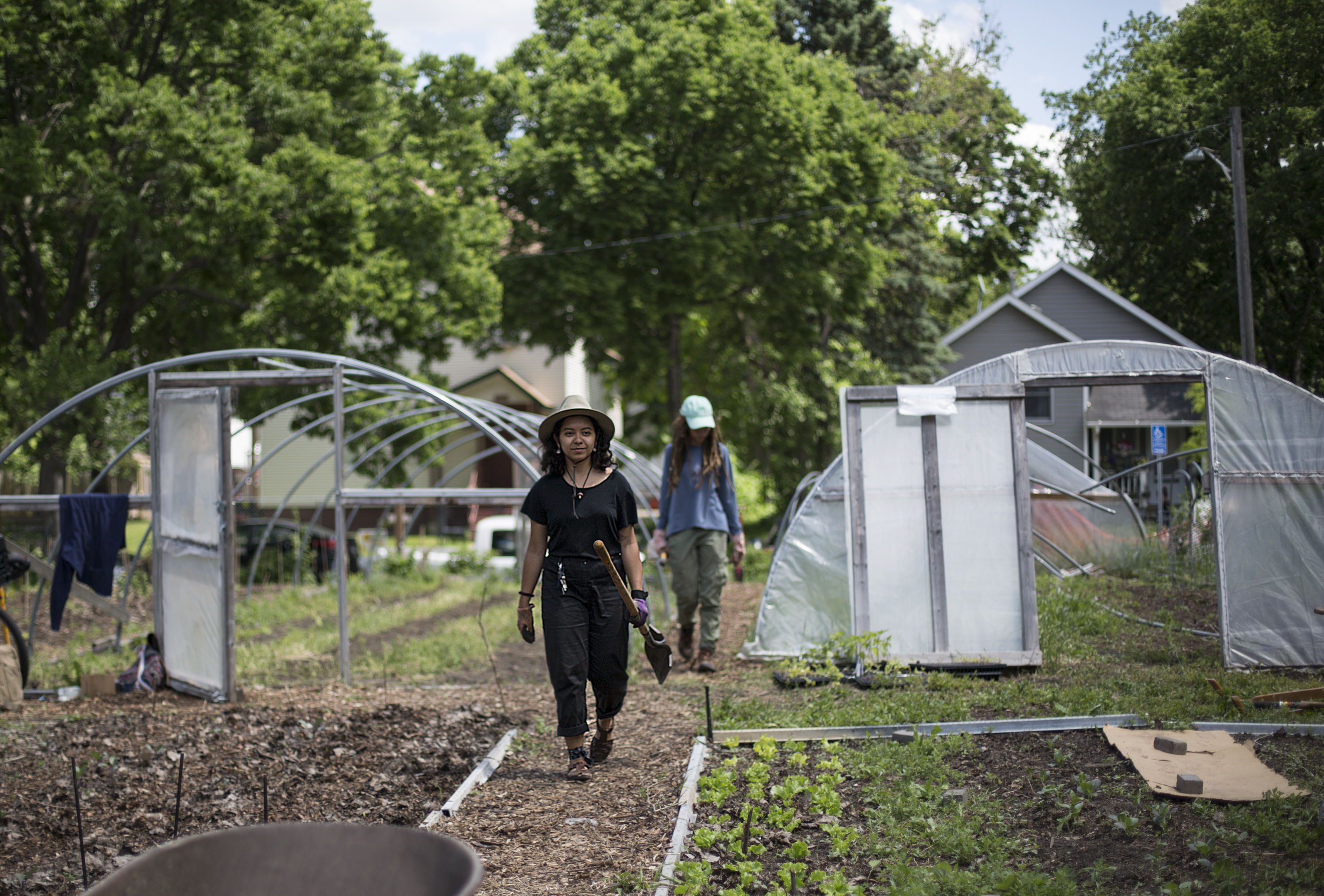
Community member in urban garden

“Food from the earth,” is what Jessica Thurin, Dietician at the Native American Community Clinic (NACC), referred to it as. As members of an indigenous-led network of organizations in South Minneapolis’ Phillips community working towards healthy food access, the 24th Street Urban Farm Coalition, we’re trying out something new this year: going back to the basics. Back to the earth. Back to traditional methods of healing and nourishing by focusing on food as medicine.

NACC, located just two blocks from our Waite House Community Center, provides a range of healthcare and social services to the surrounding, largely Native community. In an area with significant health disparities, recognizing the role food access has to play in determining health outcomes is critical. Many healthcare institutions might talk to their patients about the benefits of healthy eating without really recognizing or addressing the barriers that exist to do exactly that—where to find this food, how to afford it and access it. That’s why our urban agriculture program teamed up with them to begin providing boxes of freshly grown vegetables to their patients. This produce, grown right in their own neighborhood, will be sold to NACC and distributed to their diabetes groups starting this September free-of-charge in an effort to promote healthy eating and lower blood sugar levels.

“You can be taking all these diabetes medications, but if you have a high carbohydrate diet with breads and pastas and not having a lot of non-starchy veggies which is what is from the garden—that can really cause high blood sugars. And so medications can help, but it’s not everything…I think introducing more foods that are right in our backyard can really help prevent some of these chronic diseases and that’s really what we’re after,” Thurin explains.

And NACC isn’t the only place recognizing the power of food in this way. With another one of our gardens, this is our second year of providing CSA packages to the City of Minneapolis’ Lead and Healthy Homes program. Families are referred to their program when elevated lead levels have been detected within their body, after which they are moved to transitional ‘Safe Houses’ while their homes are removed of lead hazards. While in these safe homes, families receive visits from public health nurses as well as deliveries of our food boxes packed full of freshly grown kale, broccoli, collards, and more. The reasoning, Jim Doten, Environmental Services Supervisor for the City’s Health Department, explains, is because “there’s a link between nutrition and susceptibility to lead poisoning.” If someone is deficient in certain nutrients, especially iron, then their body is more likely to absorb lead. So with this program in particular, our farmers are purposely growing more iron-rich foods that are proven to prevent further lead absorption while also lowering existing levels in the body. Alex Vollmar, supervisor of this program, sees the addition of these CSA boxes as a “very holistic approach to responding to elevated blood levels.”

Back to the basics. Remembering how for thousands of years, indigenous communities have used food for nourishment and healing. It’s something that’s often overlooked now, but so necessary to address in order to close health disparities. As members of the 24th Street Urban Farm Coalition, we look forward to continue moving this work forward alongside NACC, Indian Health Board, and other coalition members. Thurin says,

“Food is medicine. I don’t think a lot of people know that. But our ancestors definitely did that. They used food as medicine. They used traditional medicine plants. I really think that’s important to bring that back now.”

North Market selling local produce, supporting local farmers

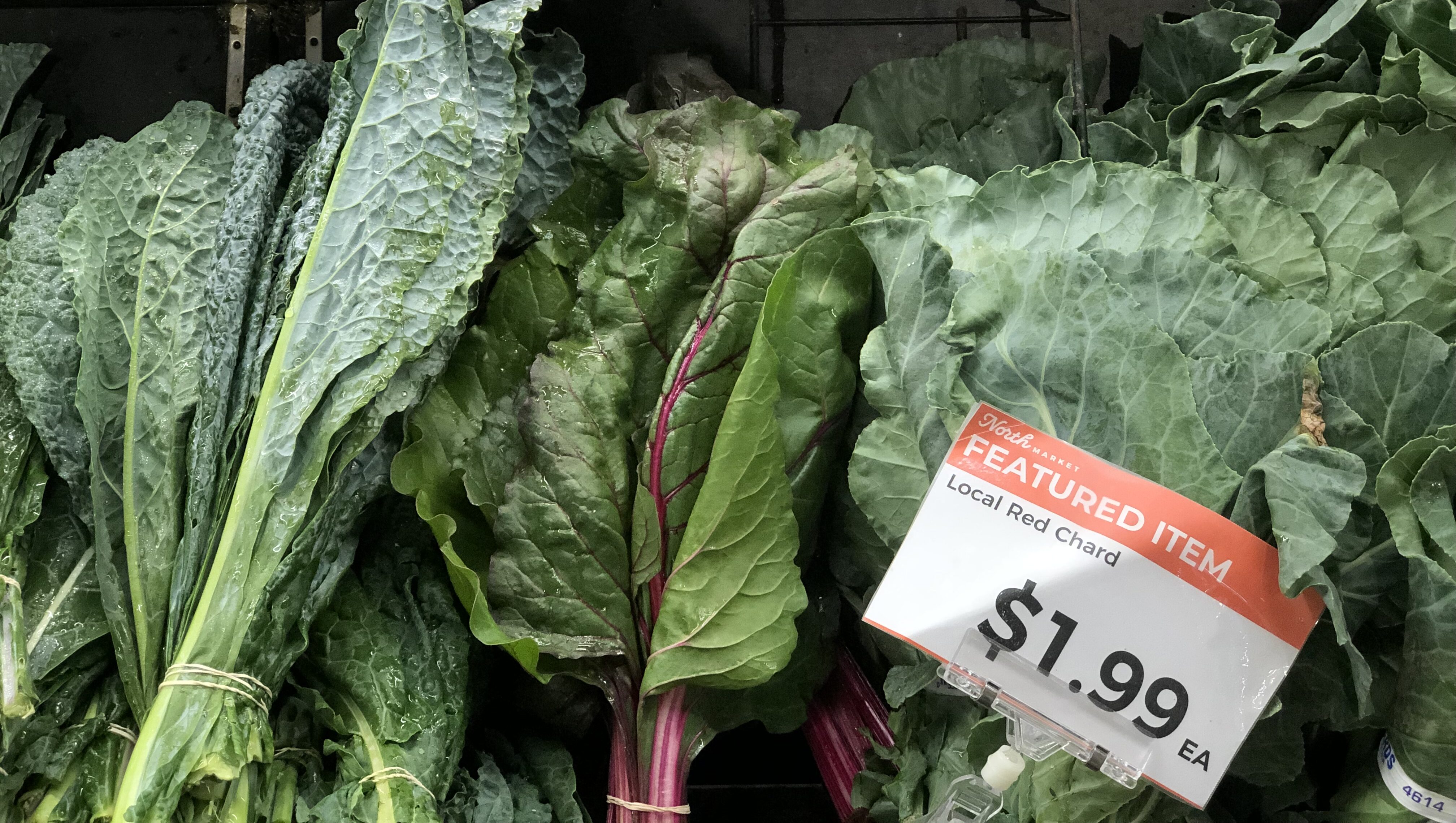
Local produce on sale at North Market

Since they opened their doors in December of 2017, North Market has been working to address food access issues and health disparities in North Minneapolis by uniting three elements in one place: affordable nutritious food, health care services, and wellness education. Staying true to its roots of being built with and for the community, they’ve been purposeful about supporting local entrepreneurs. Right now, you can find products from over 47 local vendors on their shelves. And what’s new this summer? Hyperlocal produce from North Minneapolis farmers. Yep—zucchini, kale, tomatoes, and more picked within just a few blocks.

By purchasing food from local farmers, North Market is able to fulfill its mission of providing affordable healthy food AND acting as an engine for local economic growth. Vanan Murugesan, Director of Design and Innovation at Pillsbury United Communities, said:

“We want to expose the community to the great food businesses that are growing in North Minneapolis and when people buy stuff from the community, it’s keeping the money in the neighborhood. So, we are just a platform for people to connect. On one side we have the customers and on the other we have the farmers and entrepreneurs, and we provide this platform for them to do business. At the end of the day, someone in the neighborhood can enjoy food that was made within 2 miles of where they live and there is something special about that.”

Not only does this mean customers can access produce harvested sometimes as freshly as the same day, but they can simultaneously support a local food system along the way. One of the partners providing vegetables to the store is Growing North Minneapolis, a community-based collaborative that advances environmental, social, and racial justice in North Minneapolis. Patsy Parker, a Community Garden Steward with Growing North, said that “The impact of the sales allows us to start planning for next year. So we can think about, ‘Ok, next year, what kind of seeds do we need? Can we actually buy seeds as opposed to just waiting ‘til the spring and hoping someone can bring them to us?’ Traditionally, North Minneapolis has not had good access to seeds and seedlings. We’re learning what it is that people want and what people need. You know—we need to plant a lot more okra.”

Another source of freshly grown produce is from our Pillsbury United Communities farm at Oak Park Center. Proceeds made from these sales will be reinvested into the larger urban agriculture and food work that we do here at PUC, allowing us to provide more education and technical support to local farmers while having extra funds to help purchase food for our food shelves and community meals—two programs where we’ve seen an increase in need and decrease in philanthropic funding .

All of this to say, it seems to be a win for everyone—customers, farmers, and North Market alike. Customers can spend their dollars on the freshest produce possible from the backyards of North Minneapolis (also a win for the environment). Local growers can increase their economic mobility or continue to fuel urban agriculture work in North Minneapolis from their sales. And North Market can help fill a food access gap by not just providing healthy food to the neighborhood, but being intentional about sourcing from and supporting that neighborhood when possible. Because if we are serious about working to close the disparities in North Minneapolis and Minnesota, then it’s going to require creative, transformative solutions.

Gearing up for Census 2020: We all count

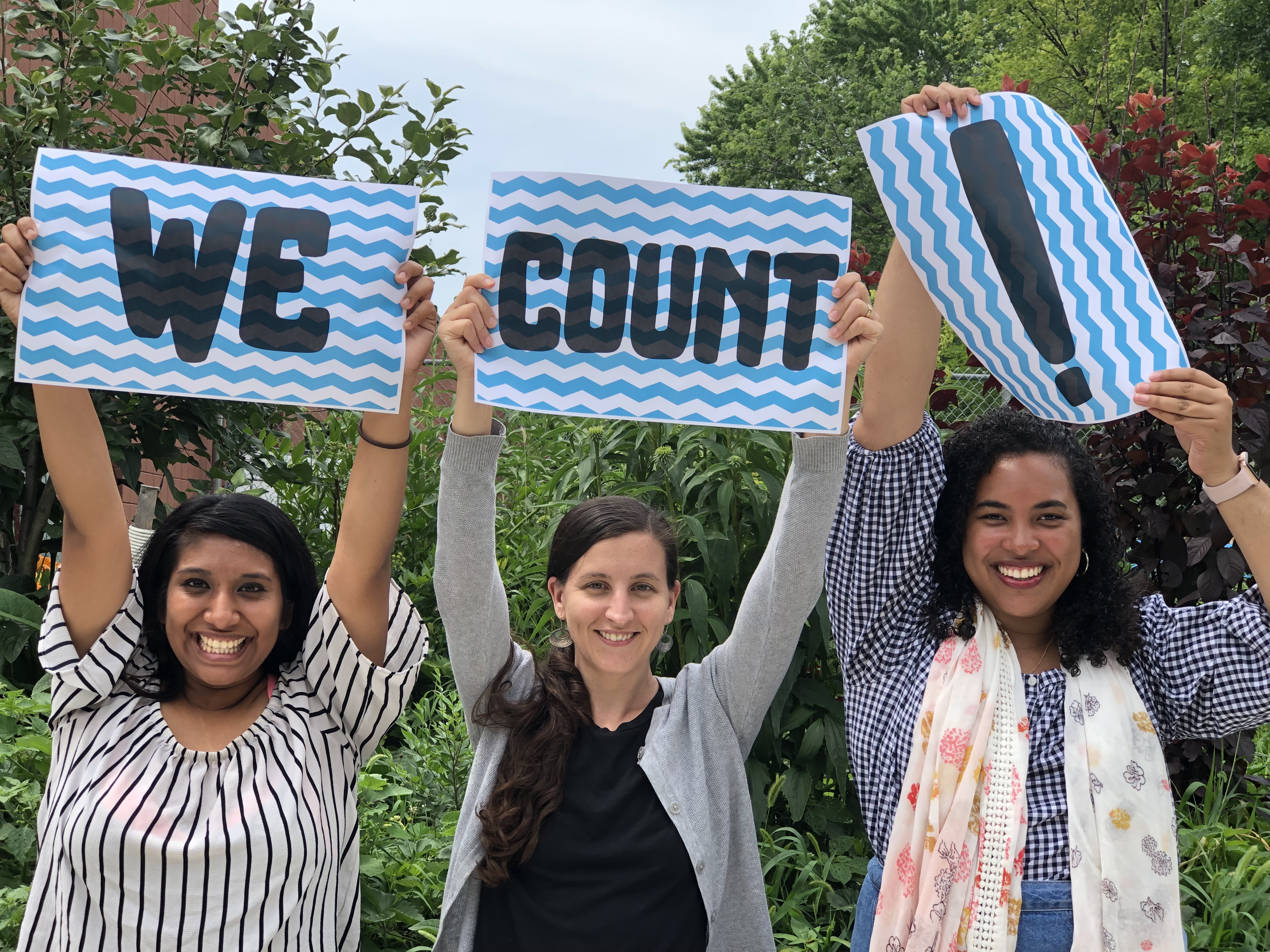
Census 2020: Waite House staff holding "We Count" signs

Medicaid. SNAP. Housing assistance. School meal programs. Child care assistance. Employment and transit services. Head Start. Health and unemployment insurance. The list goes on and on for programs and services that receive federal funding based off of census data. For Minnesota, it’s estimated that the state will lose $28,000 per person over a decade for not counting just one person. So, it’s no surprise that oftentimes it’s the historically undercounted communities that have been historically under-resourced as well.

The census is much more than just a count of who lives here. In addition to it serving as a significant determinant of the allocation of resources to our communities, it also impacts local, state, and national political representation. For this census coming up next year, Minnesota is at risk of losing a congressional seat. And—following the 2010 census results, North Minneapolis actually lost a councilmember. Though the population might actually stay the same (or even increase!), the impacts of not being counted have significant repercussions.

So, what all does this have to do with us? Everything. When resources are underestimated and communities are underrepresented, the opportunity to flourish and thrive diminishes. As an agency who has deep roots in these undercounted communities in Minneapolis—immigrants and refugees, those experiencing homelessness, indigenous communities, low-income households, renters, and more—we have a natural role and responsibility in taking part in census efforts to ensure a complete and accurate count.

We launched our efforts by hosting a census hiring fair at Brian Coyle Center in Cedar Riverside, with hopes to recruit census staff who represent the very communities they have a hard time reaching. As a registered Complete Count Committee with the Census Bureau, we plan to continue our efforts by engaging in culturally relevant outreach and engagement via our direct service programs, community events and info sessions, awareness through our media outlets North News and KRSM Radio, door-knocking, and more. With this being the first census where online participation is encouraged, we also plan to host open computer lab times to assist community members with this task, recognizing the very real digital divide in our community when it comes to technology access and literacy. Not only that, but with the census collecting responses in only 13 languages (none of which are Somali or Oromo), it’s imperative that our staff, who collectively speak 19 languages, are equipped to assist in these efforts.

Lastly, engaging with our communities to help participate and take leadership roles in these outreach efforts will be key. We want to provide the tools and support needed for folks to be part of the systems and solutions that impact their lives, recognizing it’s important that those who are doing much of the outreach reflect the communities they’re trying to reach. Especially with fear of government entities so prevalent, it’s trust and connection that will effectively get the message across.

Ultimately, the Census means more resources coming into our communities and fair representation, political power. But it also just means – you exist. We exist. We count. We are here and this is our home.

Want to volunteer or partner with us in our census efforts? Contact Meghan: [email protected], 612-455-0388.

Register now for Greater>Together 2019

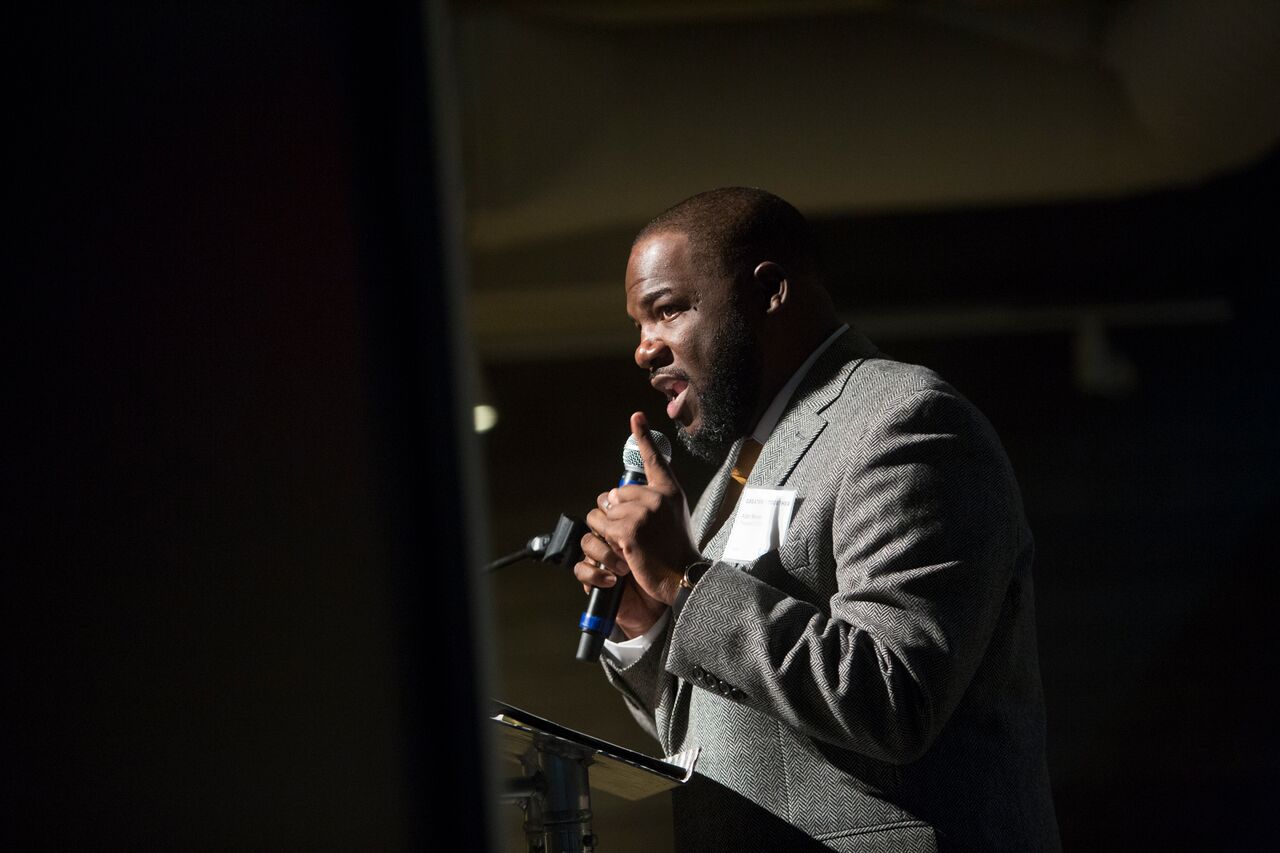
Adair Mosley at Greater>Together 2018

Registration for our 2019 Greater>Together fundraiser is now open! Join us on October 2 to celebrate 140 years of powering people, place, and prosperity. Purchase tickets via the form below, or click here for more information.

X