Pillsbury United Launches Justice Built Communities Initiative

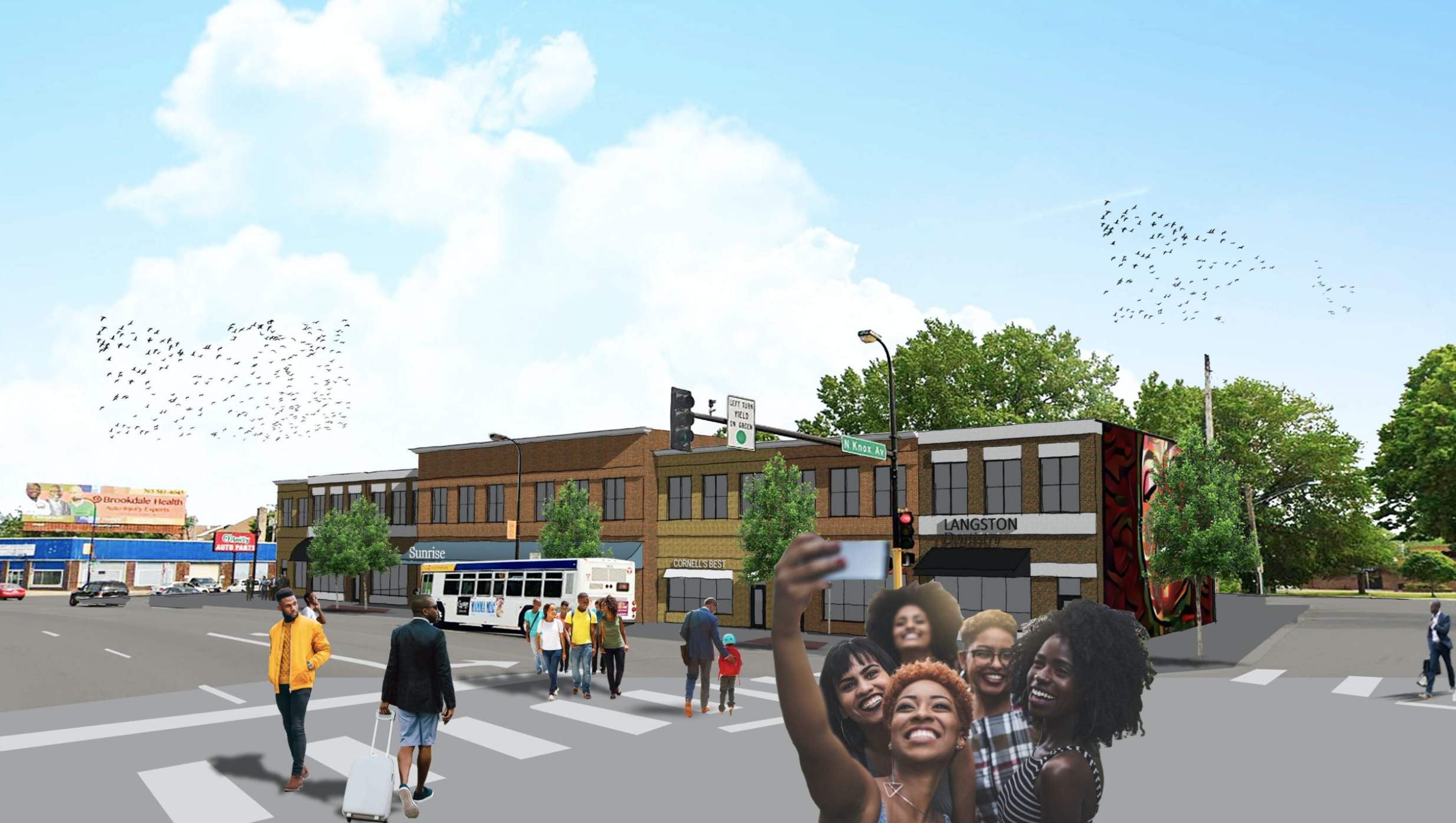
Rendering of street life on a revitalized W Broadway Ave

MINNEAPOLIS, Minn. (May 25, 2021) – Pillsbury United Communities (Pillsbury United), an agency with a 140-year legacy of recognizing and amplifying the assets and aspirations of the communities living in historically underinvested neighborhoods across Minneapolis, today announced the launch of the Justice Built Communities (JBC) initiative. JBC will leverage land, labor, entrepreneurship and capital to build equitable economic development for Black residents across the region starting in north Minneapolis. The initiative will be powered by a network of regional and neighborhood partners.

As a first step, JBC will purchase vacant land, buildings, and other disused properties for neighborhood redevelopment. It closed on its first property earlier this month when it purchased the old O’Reilly Auto Parts property at 1601 and 1625 West Broadway along with the adjacent property at 1622 Golden Valley Road, Minneapolis. JBC will use a community-centered design process to inform the redevelopment plans, which will provide opportunities, guidance and financial support to help local, Black-owned enterprises get established and grow. Over time, JBC will bridge land ownership back to local entrepreneurs to build generational wealth.

Pillsbury United has already raised $6 million for the JBC startup fund and intends to raise an additional $14 million through philanthropy and program/mission-related related investments by end of year for acquisition of neglected properties and pre-development capital. Initial investors include US Bank Foundation, Bank of America, GHR Foundation, Margaret A Cargill Fund of the Minneapolis Foundation, Target Foundation, Opus Foundation and Otto Bremer Trust. A variety of innovative financial structures including debt, equity, and NMTC will be used for project-specific development costs.

The initiative’s work will be co-designed and developed through Northside business and neighborhood associations including Folwell Neighborhood Association, Jordan Area Community Council, Hawthorne Neighborhood Council, and West Broadway Business and Area Coalition. Local artists will be engaged to beautify the areas before, during and after projects break ground. As properties are developed, Black entrepreneurs step in and take over: bringing goods and services to local residents, job opportunities to youth and adults, and prosperity to families.

“Our mission is to create a just society where every person has personal, social and economic power,” said Adair Mosley, President & CEO of Pillsbury United Communities. “The disruptive forces of 2020 showed the inequity of a system built on racist policies and practices as well as the need to act with urgency to equitably rebuild. JBC will prioritize strategies that ensure the people who were part of the history of our communities are also part of the future. We envision thriving commercial nodes anchored by local businesses and green spaces, safe and stable neighborhoods, and meaningful work and wealth-building opportunities that close racial disparities.”

Minnesota’s Black residents face the worst economic disparities in the nation. Minnesota ranks at the bottom for racial gaps in high school graduation, homeownership and household income. These inequities have been concentrated on Minneapolis’s Northside by decades of systemic disinvestment.

“Today we see the impact of inequitable development in North Loop, a Northside neighborhood adjacent to downtown,” said Jimmy Loyd who serves as Senior Director of Community Development at Pillsbury United. “While real estate activity in North has largely been stagnant, North Loop has seen $1.2B in real estate sales since 2015. That’s created rapid gentrification on the edges of North, and now this boom encroaches deeper into the neighborhood. As properties along Plymouth Avenue and other major corridors are bought up, vulnerable residents are threatened by displacement as outsiders benefit. JBC aims to reverse this concerning trend and support Northside neighborhoods’ vision for their own future.”

Learn more at justicebuiltcommunities.org.

About Pillsbury United Communities

Pillsbury United builds community by co-creating enduring change toward a just society where every person has personal, social, and economic power. Its united system of programs, neighborhood centers, social enterprises, and partnerships connects individuals and their families across the region. Program areas include community health, food accessibility, family stabilization, creative placemaking, community voice, civic engagement, education, career and future readiness, and economic mobility.

Pillsbury United serves the Black, Brown, Indigenous, immigrant, and working-class residents of Minneapolis striving to build better lives and communities for their families in spite of racism, poverty, and other systemic barriers. Priority neighborhoods include Cedar Riverside, Phillips, and Powderhorn in South Minneapolis and Near North and Webber-Camden in North Minneapolis.
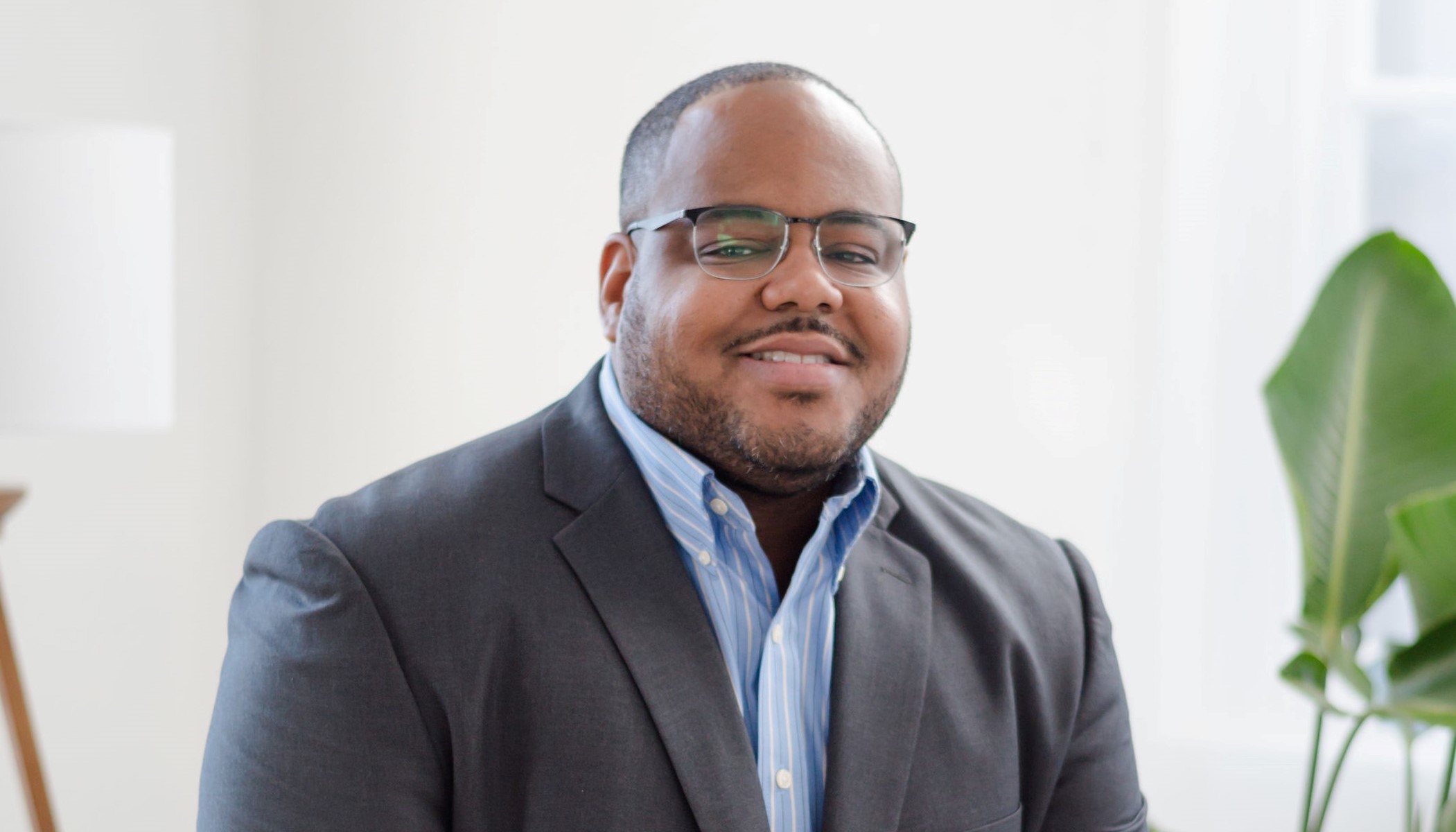
Jimmy Loyd, MBA and MPM, named community development director

MINNEAPOLIS, Minn. — Pillsbury United Communities has named Jimmy Loyd Director of Community Development for Justice Built Communities (JBC), a community development corporation. The purpose of JBC is to power equitable economic development in the black and brown communities of Minnesota that have experienced decades of disinvestment. To prevent further disenfranchisement of these communities as neighborhoods rebuild after the recent unrest, JBC will operate as community quarterback convening community leaders and local organizations to plan and implement a holistic approach that includes direct support to black and brown entrepreneurs and small businesses.

“Jimmy brings the real estate development and business acumen paired with a deep commitment to racial equity,” said Adair Mosley, President and CEO. “He shares our vision for building thriving communities, centering community’s voice, and we are honored to have him move this initiative forward.”

Jimmy is a graduate of DeVry University and Keller Graduate School of Management. His real estate planning and development experience includes four years with the City of Minneapolis during which time he was recognized for “Excellence in Economic Development” by the International Economic Development Council for the City of Minneapolis B-Tap Program. His experience also includes serving as Small Business Program Manager at Northside Economic Opportunity Network, Real Estate Director at YMCA – Greater Twin Cities, and most recently Economic Development Coordinator for the City of Brooklyn Center.

“I chose to join Pillsbury United because of the organization’s willingness to take bold action,” Loyd said. “I look forward to partnering with other CDCs, neighborhood associations, and business district councils to develop new land-based solutions that benefit the community.”

Justice Built Communities convenes stakeholders across sectors and prioritizes comprehensive approaches to neighborhood revitalization that will prevent gentrification and displacement while driving enterprise development and wealth creation in black and brown communities of greater Minneapolis. More information at justicebuiltcommunities.org.

What we need from you now

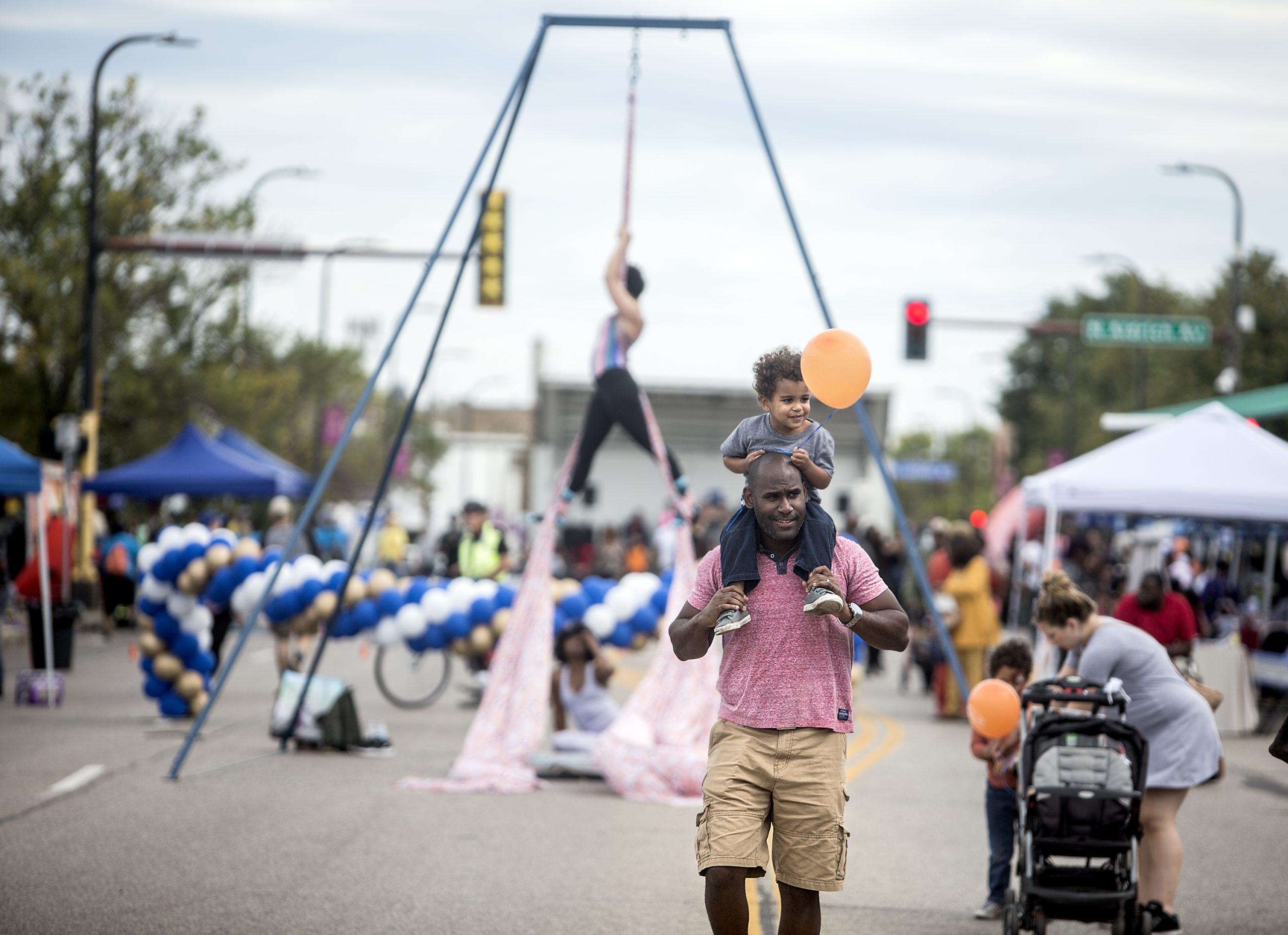
Community member carrying kid on shoulders at Open Streets on Broadway Ave

The compounding effects of intersectional oppression are prominently on display right now. We have an uncontrolled pandemic, on top of the longtime public health crisis that is institutionalized racism. Our democracy is under threat. People are unhoused in record numbers. Gaps in wealth, health, and educational outcomes between the haves and have-nots in our communities are widening even further.

Reimagined systems are desperately needed, and Pillsbury United Communities is heeding that call. Through the lens of people, place, and prosperity, our leaders are aggressively advocating for upstream change that will build long term power in our communities. Additionally, our agency has launched a public policy team and a community development corporation to reimagine the structures that govern our day to day lives.

While we use our institutional power to lay a foundation for long-term change, we remain committed to immediate and short-term relief for those who’ve long borne the brunt of our country’s violent and inequitable systems. We must be responsive to the needs of today without settling for them as permanent fixtures of life in our city.

We hope you’ll join us in seeking justice. For advice on where to start, we’ve asked a few of our leaders to share their wisdom.

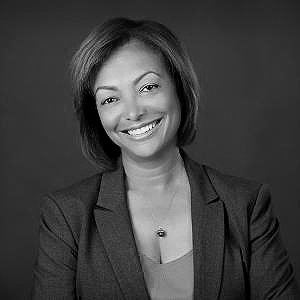
Tsega Tamene, Senior Director of Population Health

Tsega Tamene

COVID-19 has been a truth teller. It has exposed what was already in plain sight to many of us. Black, Indigenous, and communities of color have experienced the disparate economic, health, and psychosocial impacts of racism well before, starkly during, and very well likely after this pandemic—unless we choose a different world.

We must reimagine, redesign, and transform systems toward health justice. In doing so, we must fundamentally shift how we think, speak, and act about health and health inequities. Namely, we must shift from treating health as a commodity to health as a human right. Shift now by:

  • Supporting frontline workers like ours who everyday disrupt health inequities that are driven by social and structural harms rooted in racism (not naturally occurring biological difference or individual behavior).
  • Lifting up local wellness and healing justice practitioners who identify as Black, Indigenous, or People of Color (BIPOC).
  • Joining policy advocacy efforts calling for the transformation of our healthcare payment system to prioritize the health of all people. Amplifying the voices of community health workers, doulas, and other critical roles who are lesser valued by existing payment models.
  • Learning more about the history of medicine and racism’s impact on health.
  • Studying yourself to heal yourself. Exploring your racialized trauma and your role(s) in social change.

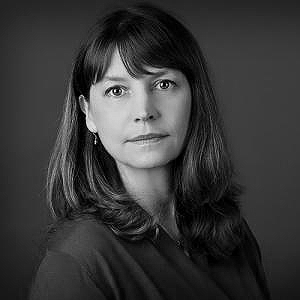
Faye Price & Noel Raymond, Co-Artistic Directors, Pillsbury House + Theatre

Faye Price - headshot

Faye Price

At Pillsbury House + Theatre, we employ roughly 300, mostly-BIPOC artists every year. Those folks, and the entire creative workforce, are extremely economically unstable right now because of the pandemic. This is a workforce that has been decimated like the restaurant industry.

Our artists are often activists who highlight systemic inequities and cast visions for liberation. They are called to do that imagining regardless of compensation. We need them right now more than ever, and many are being asked to do cultural labor unpaid. There is an expectation that they will always be here, but they won’t if we don’t act. Act now by:

Noel Raymond - headshot

Noel Raymond

  • Hiring an artist. Pay them generously for their time.
  • Donating to a nonprofit’s commissioning fund, so that they are able to hire artists (we have one here at PHT). If you run a nonprofit or work for one, create a commissioning fund and embed artists into your work, minimizing arduous reporting requirements and maximizing compensation.
  • Contacting your member of Congress and tell them to support the Mixed Earner Unemployment Assistance Act of 2020.

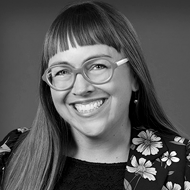
Julie Graves, Senior Director of Youth & Future

Julie Graves headshot

Julie Graves

We have built our systems and models of youth programming to complement school models. For better or worse, we live in the tangled webs of integrated systems. When Minneapolis Public Schools change their offerings, we have to pivot too. With school not returning to the status quo this fall, these structures that we’ve played off of always, don’t exist anymore. We have to figure out new ways of engaging our young people and supporting their families in the process. We have to do so in the midst of so much uncertainty about the future of school day education—this year and beyond.

Funding for youth programming in Minneapolis, particularly K-5, has been decimated in the last decade. Our stressed, barebones system of out-of-school youth programming is now being asked to completely reinvent the way it operates to support entirely new needs. We need to return to a system where every child and family has access to a community center that offers a holistic, integrated model of support—tutoring, entertainment, meals, space to just be together.

Support this work by donating to the chronically underfunded community centers, like Waite House, who provide whole-family support. Advocate for more out of school time youth funding in the 2021 Minneapolis city budget—and the state budget. This is violence prevention work. This is an investment in the future of our city.

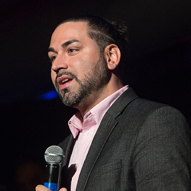
Antonio Cardona, Director of Office of Public Charter Schools

Antonio Cardona on stage at Greater>Together 2019

Antonio Cardona

Resources are not scarce. They are inequitably concentrated. If we are serious about reimagined systems, we have to question and tactically change what we value and where we direct resources. In public education, we have a simple, yet fundamental challenge: funding for public education is rooted in property taxes that are a result of decades of purposeful housing and employment discrimination. We need to change this system.

Secondly, just as we have been talking about social determinants of health for the last two decades, there are also social determinants of education. COVID-19 and George Floyd’s murder has laid bare the ways in which the most marginalized are the first effected by societal change. Think of a tsunami. First, the water recedes, exposing the gunk just beyond the shoreline. Then, the water slams that same shoreline, throwing everything into disarray. Those on higher ground are able to escape the worst effects. This exposes what kids and families need in order to grow and learn. Stability, food, housing, health care, family businesses—all of the things that have been decimated during this time.

Take action by supporting and participating in the civic institutions that push population-level work forward; voting; completing your Census; and paying attention to city council meetings, school board meetings, and commission decisions. Support and hold your officials accountable while trying to avoid a descent into unhelpful or uneducated dialogue.

“Reimagine Public Safety” teaser video released

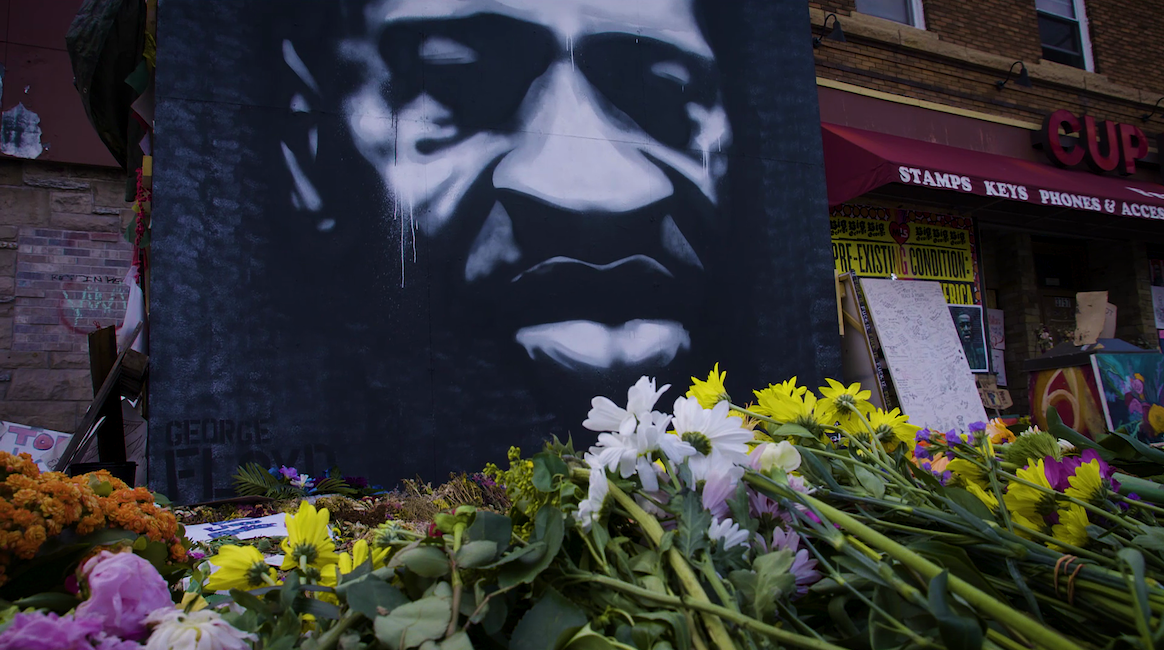
George Floyd memorial outside Cup Foods

We’ve been here before. But out of our pain rises the stories of how to heal, how to evolve, and how to build.

Coming later this summer, Pillsbury United Communities will be releasing the first installment of “Reimagine Public Safety,” a new docuseries exploring policing in the city of Minneapolis, and the possibilities that exist to reimagine and transform our systems of public safety. This series is one of the first initiatives from our new Policy & Advocacy team.

Don’t forget to connect with us on Facebook to see future installments and continue the conversation with our Policy & Advocacy team.

We’ve always figured out a way through. It’s time to find a way forward.

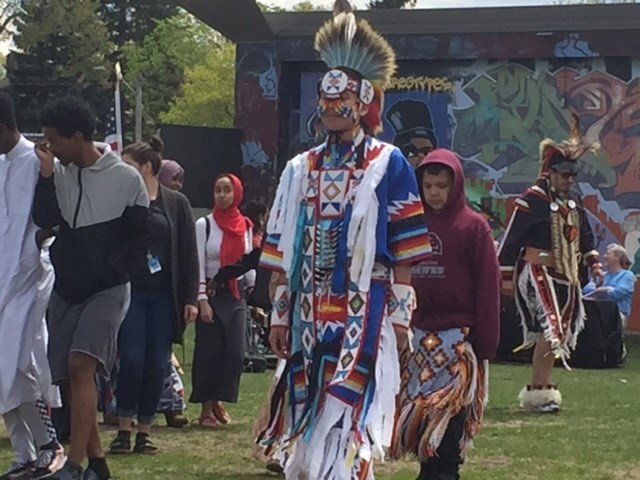
South High School’s All Nations Program take to the air

Intercultural event at Waite House

One of our social enterprises in South Minneapolis, KRSM Radio, is a platform for voices not often present in traditional media. That includes youth. Student-Powered Radio, a show done in partnership with students and teachers in Middle and High School around South Minneapolis, was created to bring these voices and stories to the air.

On June 12th, one large project that our Youth Media Coordinator, Michel B., has been working on was released to the airwaves. Via Student-Powered Radio, listeners were able to hear 9 recordings made by the All Nations Program in South High School. Students talked about everything from video games and music to historical trauma, community healing, and relatives who they’ve lost to the opioid epidemic. Plus, Michel interviewed the program’s lead teacher and recorded the Pow Wow the students led on South High’s field (including the moment the graduating seniors are presented with their eagle feathers!).

Though the program has already aired, we will have the recordings available on our website soon. Check back here for updates.

KRSM is a low-power FM radio station based out of the Phillips neighborhood in South Minneapolis. Broadcasting at 98.9 FM, this is a hyper-local platform for amplifying the voices, stories, cultures, and conversations happening in our neighborhoods. Our focus is on communities that are marginalized, misrepresented, and erased by traditional media. For example, our schedule features shows in 6 different languages (English, Spanish, Somali, Ojibwe, Hmong, and Haitian Creole), and we air 10 hours of programming each week by Indigenous hosts.

Pillsbury House Theatre amplifies the stories of older adults

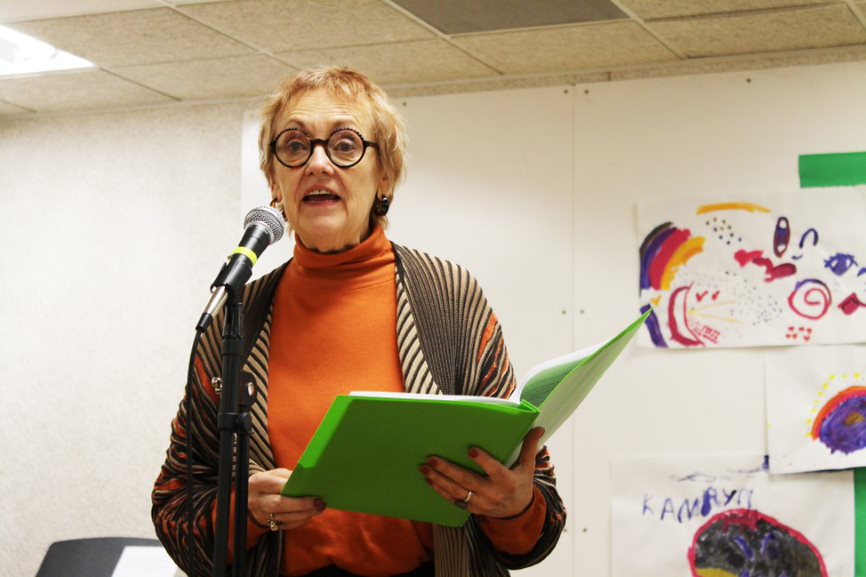
Public memoir reading at Pillsbury House + Theatre

In 2018, Pillsbury House Theatre received a grant to run Centerstage, a series of free memoir writing classes for residents of local Augustana Care buildings. Teaching Artist Jen Scott taught three separate 8-week courses, culminating in a reception at Pillsbury House Theatre in which participants and professional actors read their stories out loud. It was a joyful occasion punctuated with laughter, a few tears, and even music; one of the participants played the harp as she told her story!

This year, Pillsbury House Theatre is doing it again, this time hosting three free eight-week classes for adults 55 and up in their building on Chicago Avenue. The first class, Intro to Memoir, taught by Jen Scott, is wrapping up this month. The second class, Advanced Memoir, will be taught by Dr. Louis Porter starting in June, with a third class to follow later in the summer.

Centerstage is not just about teaching people how to write in the form of memoir. More than that, it’s about empowering people with the knowledge that everyone has a story to be told, and that telling those stories both grounds us in ourselves and connects us to one another.

Plays on the political divide, by and for women at Pillsbury House Theatre

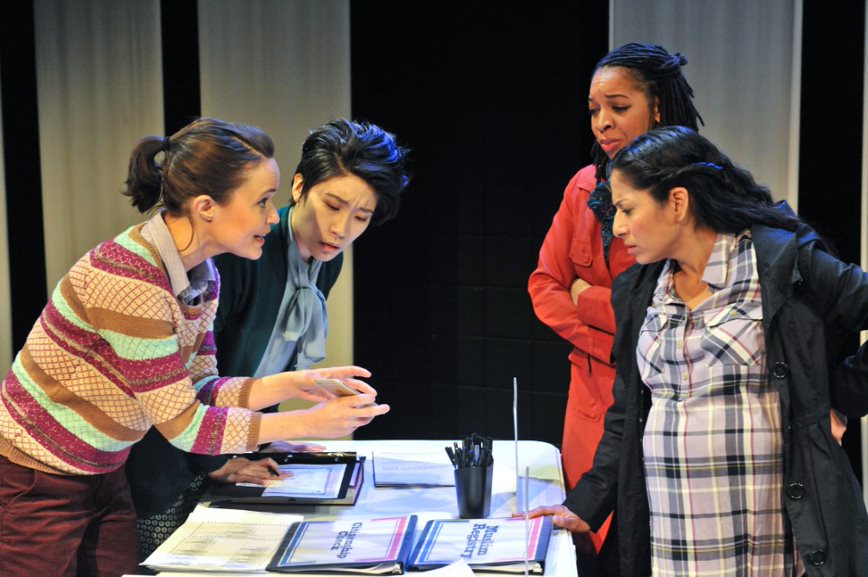
Performance at Pillsbury House + Theatre

Every year since the spring of 2017, Pillsbury House Theatre has produced a series of new 10-minute plays called The Great Divide. Featuring five brand-new 10-minute plays by local playwrights, The Great Divide is a response to the deeply partisan political climate that has become our new normal.

For this year’s installment, titled She Persists: The Great Divide III, Pillsbury House Theatre focused on women’s stories, commissioning plays from local playwrights Cristina Florencia Castro, Casey Llewellyn, Oya Mae Duchess-Davis, Philana Omorotionmwan and Aamera Siddiqui. In addition to the playwrighting cohort, She Persists also featured an all-woman production team and cast, starring Ashawnti Sakina Ford, Audrey Park, Nora Montañez & Sara Richardson.

“These are really politically driven shows, and a few of them deal with the future,” said actress Nora Montañez. “These women, these playwrights took in the theme, and then they went with it, and it’s absolutely gorgeous how different each of these plays are, and how it affects the audience seeing what currently is happening and what could possibly happen in the future.”

Written and performed by and for women, She Persists was a powerful, intersectional look at the place where womanhood and politics collide. To learn about Pillsbury House Theatre’s current season, visit http://pillsburyhouseandtheatre.org/mainstage/

New star emerges at Chicago Avenue Project performance

Chicago Avenue Project performance

Each spring, kids and their adult acting mentors star in plays written just for them by adult playwrights, and each winter, kids and their adult playwriting mentors write plays to be performed by adult actors. The most recent CAP show, Fortune Favors the Bold, was performed by kids and their adult acting mentors on April 22nd and 23rd. Among other stories, the plays included a robot uprising, a wolf directing a nature documentary, and a couple of cartoon characters having an existential crisis!

One of the CAP stars, 8-year-old Deparis, made his acting debut in Fortune Favors the Bold. He played a DJ named Mr. Peep who was on his way to the biggest show of his career, along with his trusty sidekick, Donkey. “I’ve been watching CAP since I was three years old,” he said. “I always wanted to do CAP, and now I have the opportunity, which I’m very excited about… I love CAP because I finally get to let out all my energy and I get to make things that just express me.”

Since 1996, the Chicago Avenue Project (CAP) has brought local youth together with the Twin Cities’ best adult playwrights, actors, and directors to create and produce original theatre that is heartwarming, hilarious, and infused with the brilliance of young minds.

To learn more about the Chicago Avenue Project, visit http://pillsburyhouseandtheatre.org/chicago-avenue-project/.

A special space for women at the Cedar Riverside ‘Women’s Night Out’

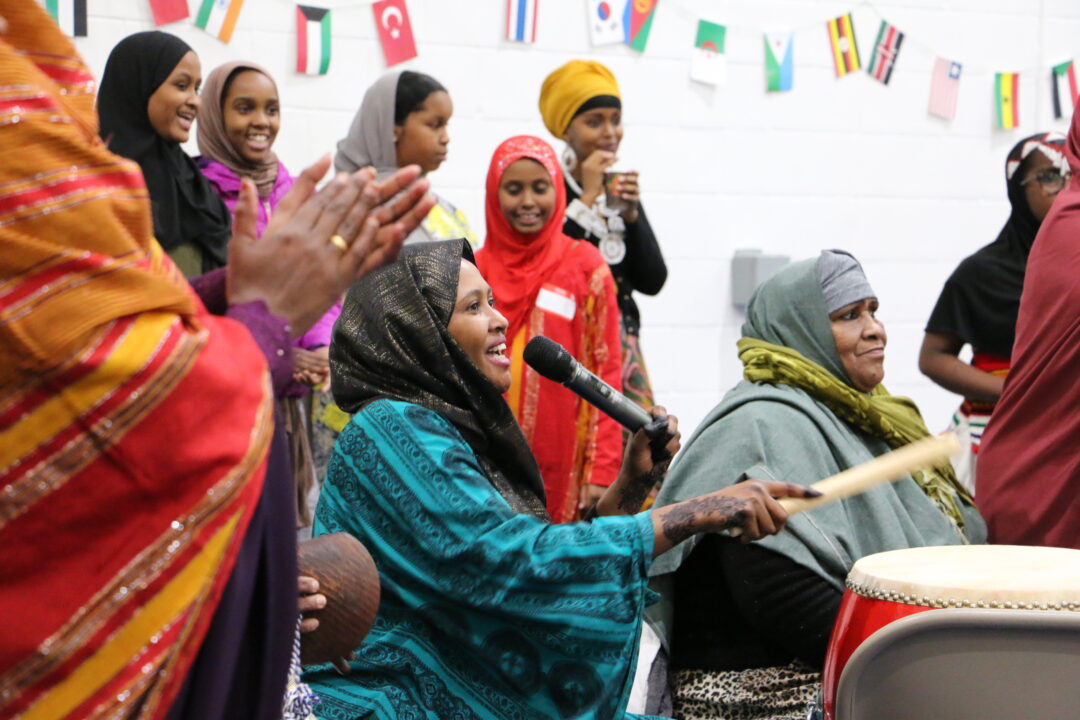
East African cultural event at Brian Coyle Center

Brian Coyle Center’s Immigrant Women’s Advocacy Program hosted their 13th annual ‘Cedar Riverside Women’s Night Out’ on March 23rd. It was another beautiful event celebrating the women and multiculturalism of the Cedar Riverside community. As always, the event provided dinner, entertainment, resources and more for women as they network and learn about opportunities in the Twin Cities.

This year, guest speakers included world-renowned Somali sister Pop/R& B music duo FAARROW and Dr. Farhiya Farah from Saint Mary’s University. We even had a surprise guest speaker—Minnesota’s First Lady Gwen Walz! Following dinner, community members had a chance to proudly show off their traditional clothing. Without a doubt, the most popular part of the night was when the women gathered in a circle to dance buraanbur. It was an energizing expression of cultural pride and unity amongst a diverse gathering of women.

Thanks to our dedicated planning partners and sponsors: Augsburg University, The Cedar Cultural Center, Mixed Blood Theatre Company, The University of Minnesota, City of Minneapolis Government, Sisterhood Boutique, Urban Hub: Interfaith Partners in Cedar-Riverside, West Bank Community Development Corporation, & Minneapolis Police Department

The authentic voice of the Northside

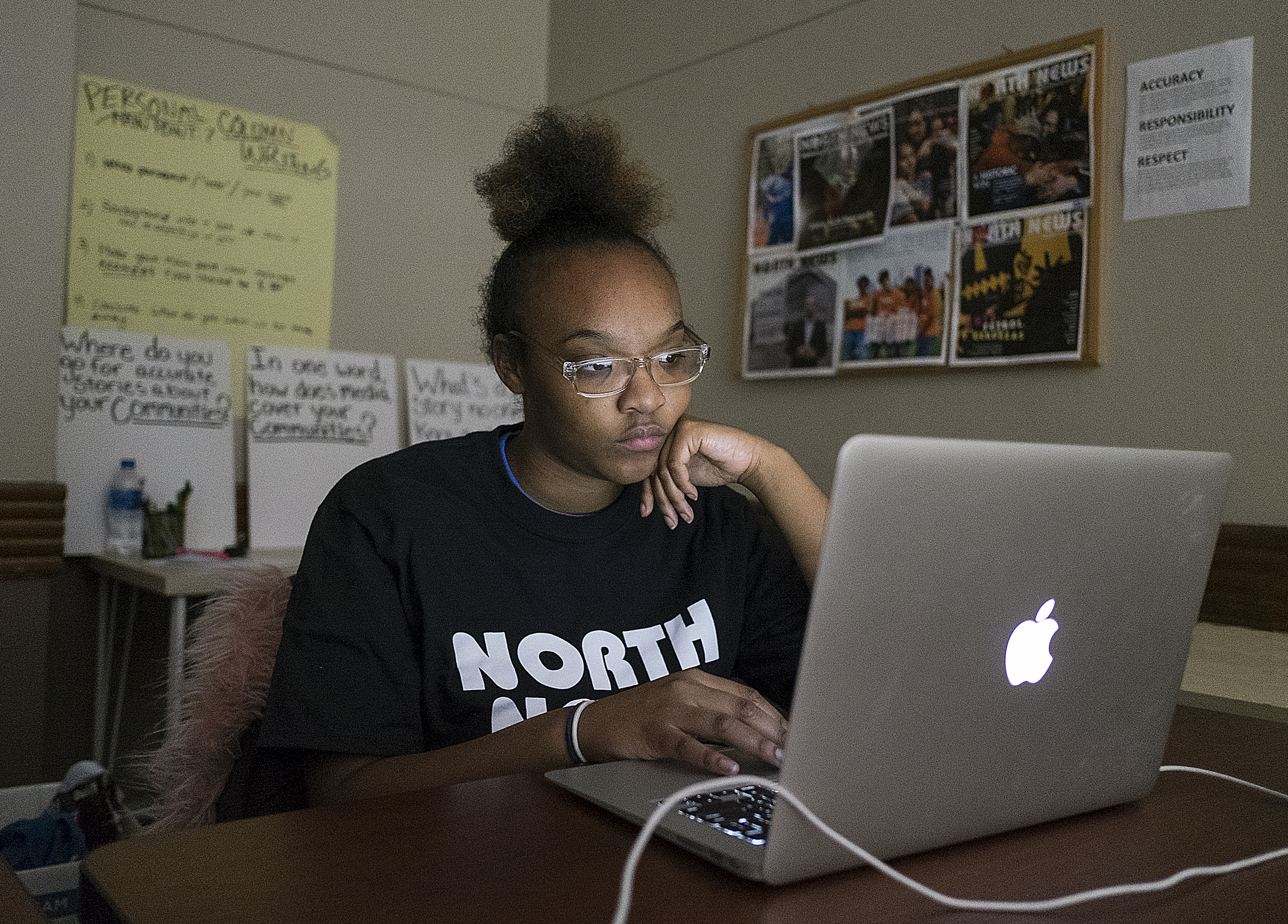
North News reporter

Minneapolis’s Northside is a community with a rich history and a bright future. But a full and nuanced account of this neighborhood is seldom told. Instead, perceptions of North Minneapolis and its people are often reduced to a single, negative narrative: one of crime, poverty, blight, and disparity. That storyline feeds a self-fulfilling prophecy. As long as policy makers, law enforcement, and community members subscribe to that narrative, little can be done to change it.

This is where community media can make a tremendous difference. By empowering people to tell their own story, community newspapers and other hyper-local media reveal the truth of a place to the wider public — and, crucially, to the community itself.

That’s the role of North News. Relaunched in 2016 by Pillsbury United Communities,  North News is a grassroots print and digital news source that works to deepen empathy and appreciation for North Minneapolis. Each monthly issue delivers original reporting and insightful stories about people and events shaping our neighborhoods, all told from a Northside perspective.

North News editors and journalists work to capture voices that get left out of the dominant media narratives. In 2018, the paper published stories about mistreatment within the housing system, life after prison, and environmental injustice on the Northside. In the paper’s groundbreaking Trauma Trooper series, journalists captured the trauma-related realities facing youth in North Minneapolis — a vital step in persuading the community and city professionals to respond.

At the same time North News opens minds, it also opens doors. The content is made possible by young writers and reporters in North High School’s daily journalism classes. 58 students have participated since the paper’s relaunch in 2016 — brainstorming ideas, choosing angles for their stories, and identifying their own experts. In the process, they grow their job skills and ambitions and become visible leaders in their community.

In the two years since its relaunch, North News has become the neighborhood’s indispensable voice, with a print circulation of 10,000 papers and online stories and Facebook posts that typically reach thousands of readers each month.

We recognize a key social issue facing Minneapolis is the lack of empathy and understanding of one another’s experiences. By painting a full and vivid picture of a dynamic community — its triumphs as well as its struggles — North News nurtures a foundation for real, inclusive change. We’re helping people tell the story they see and live, not the same old one they’ve always been told.

“I’ve learned first hand how journalists can connect to their communities and the value of the work they do. North News gives us the power and the responsibility to represent our neighborhood.” — Daija, North High alumna and former North News Intern

BY THE NUMBERS

10,000 monthly print circulation

400 public bulk drop sites and home subscriptions

58 student journalists engaged since the paper’s relaunch in 2016

Growing food and security on our own turf

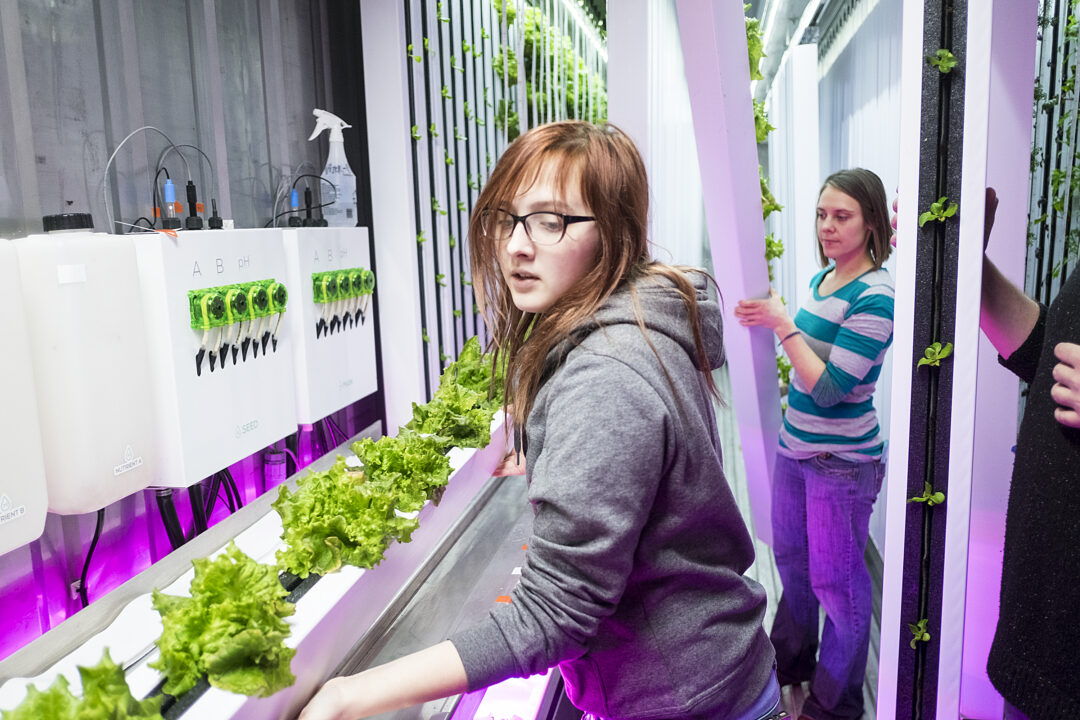
Workers at Freight Farm

Minnesota’s economy was founded on food. Yet today 1 in 8 children in our state struggle with hunger. 1 in 6 Minnesotans don’t know where their next meal will come from. What’s behind this disconnection? While food is plentiful in our state, gaps in income and access mean it’s not getting where it’s needed most — especially in low-income areas and communities of color.

Ensuring families are well fed has been at the heart of Pillsbury United’s work for over a century. Through food recovery and redistribution efforts at our community cafes and food shelves, we’re making a big impact: turning every dollar donated to our food shelves into $7 of purchasing power for families we serve.

But pressure on the system continues to grow. “We’re seeing a 30% increase in clients every year between our two food shelves,” says Ethan Neal, Food Systems Manager for Pillsbury United Communities. “As other centers close, people are migrating to our food shelves. As a result, we have more clients and less money.”

Meeting surging demand means growing our food donations — and finding creative ways to expand supply. Urban agriculture is an ingenious answer. Pillsbury United has spearheaded farm and community garden projects at 10 locations across our sites in the Twin Cities. These farms produce fresh fruits and vegetables for our food shelves and meal programs city-wide, including a hydroponic growing operation that yields healthy greens 365 days a year.

It’s an investment in nutritious food as well as self-sufficiency. “By 2020, we want 40% of the food served at our community cafes to be grown by us right here in the neighborhood,” says Neal. These farms grow human capability as well, providing hands-on education and internship opportunities for young people who want to build a smarter food system. We’re even partnering with the University of Minnesota researchers to build a model for other organizations to follow.

Our vision: to build a closed-loop system that ensures everyone in our communities is well fed with healthy, nutritious, and culturally appropriate food that is locally and sustainably grown. Next, we’re drawing up plans for a Community Supported Agriculture program that delivers homegrown produce to our neighbors at the peak of freshness. That’s how you grow a healthier community from the inside out.

“Getting fresh food, eating good food – it’s going to give them happiness, bring them joy.” — Ghartey, community member and former Waite House volunteer

BY THE NUMBERS

1.2 acres of vertical indoor growing space

4 varieties of healthy greens plus herbs and edible flowers growing at all times

40% of food served in our community cafes will be Pillsbury United Communities grown by 2020

X