Samantha Diaz Named Director of Office of Public Charter Schools

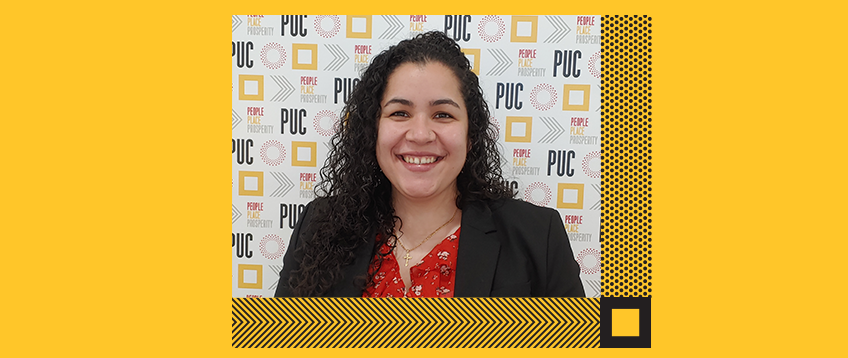
Welcome graphic for Samantha Diaz

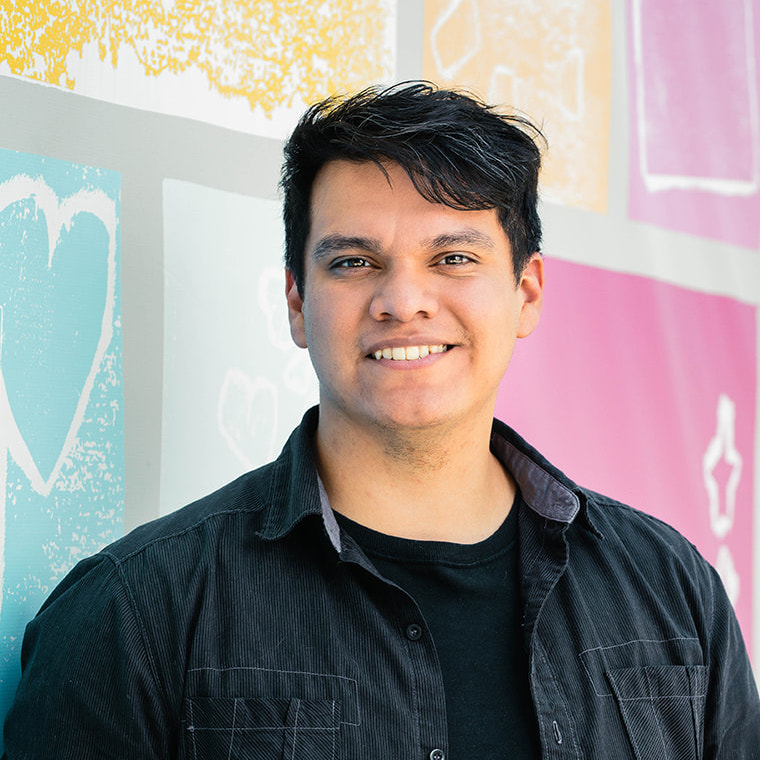
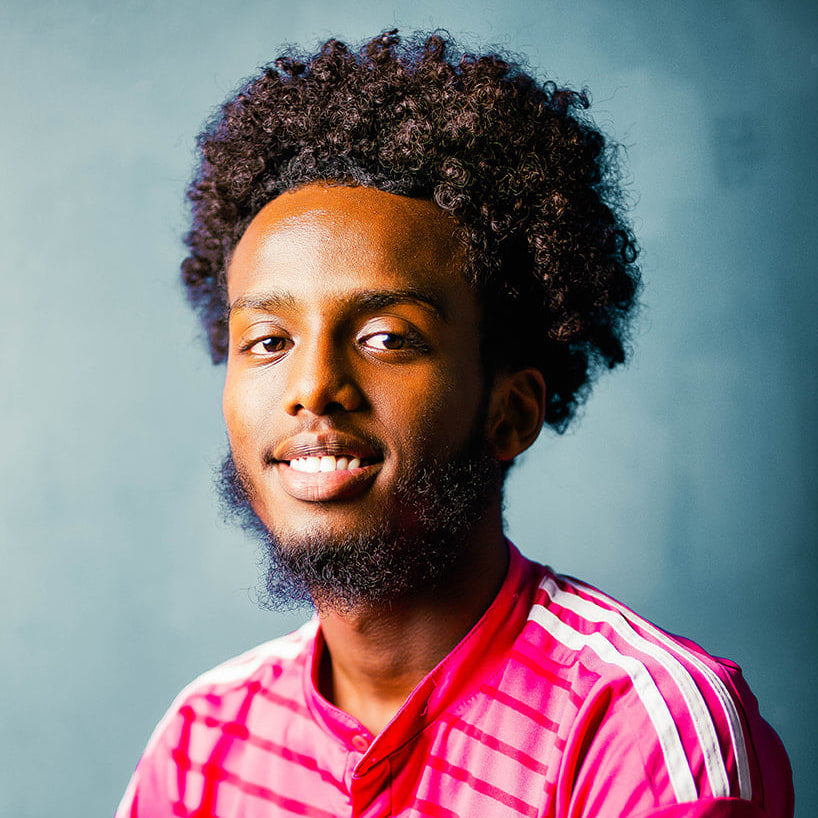
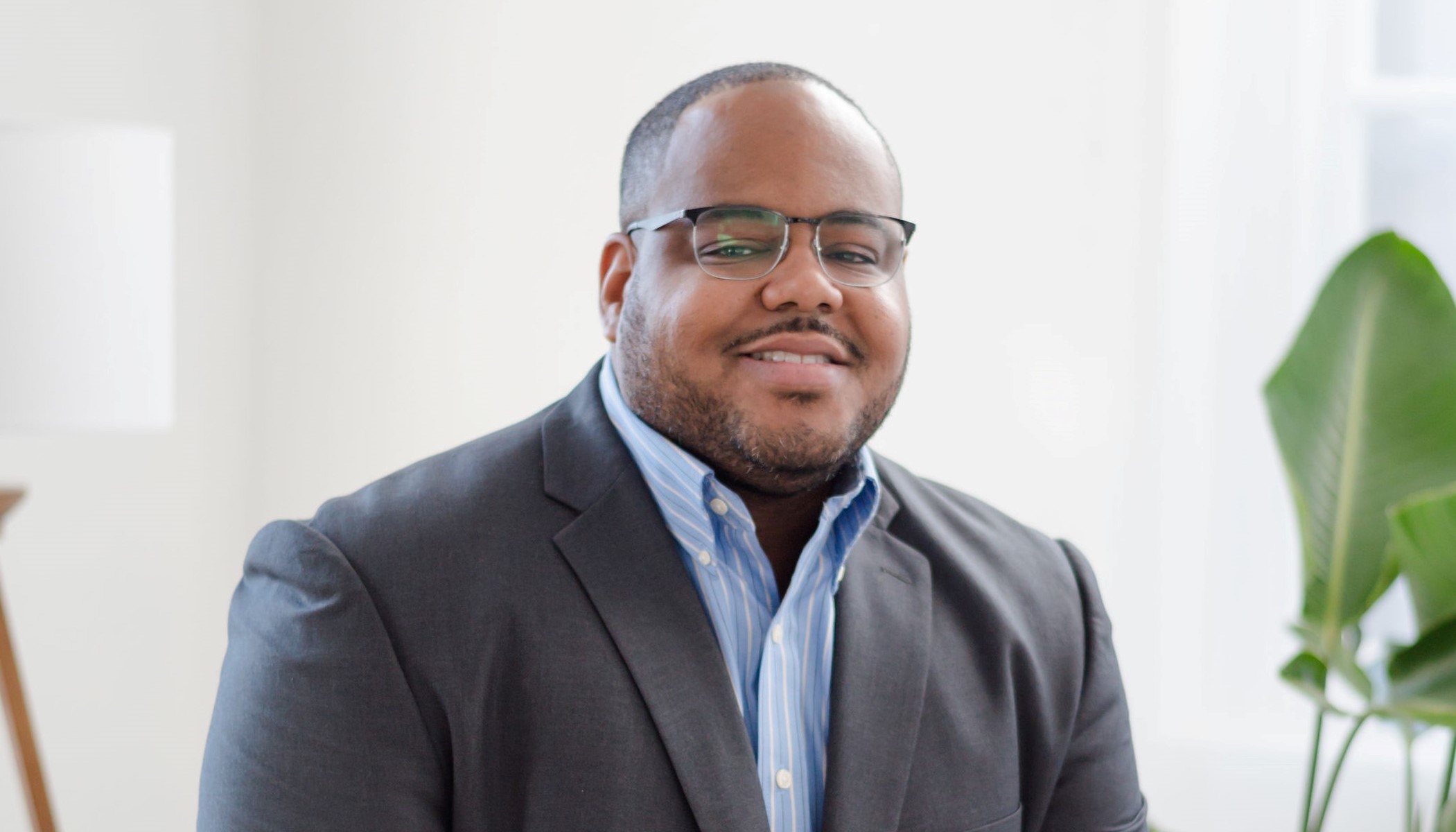
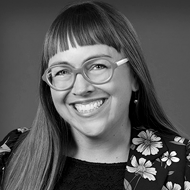
MINNEAPOLIS, Minn. — Pillsbury United Communities has named Samantha Diaz as its new Director of the Office of Public Charter Schools (OPCS).

In this role, Samantha will provide oversight and evaluation for all charter schools authorized by Pillsbury United Communities—supporting the operations, compliance, and efficacy of existing and prospective charters within the Pillsbury United network.

Additionally, Samantha will facilitate the OPCS’ ongoing work of developing a “community of practice” within the charter school sector, deepening best practices around authorizing standards; building awareness of policy shifts impacting the sector; and developing collaborative approaches to achieve the best educational experience for all students.

“Samantha is a fierce advocate for Black and brown children, with a deep commitment to equity and accountability,” said Adair Mosley, President & CEO of Pillsbury United Communities. “Given her immense knowledge of charter schools and policy, she was the ideal candidate to lead the continuing evolution of the OPCS in developing new and pioneering authorizing practices.”

Samantha previously served as Associate Authorizer Liaison for the OPCS and most recently served as the Education Legislation & Policy Director at the Minnesota Council on Latino Affairs. Prior to Samantha’s work in Minnesota, she served as Legislative Director for the Chairman of the Health, Human Services and Senior Citizen Committee in the New Jersey State Legislature. She received her Master’s in Public Administration at Baruch College – Austin W. Marxe School of Public and International Affairs, and a Bachelor’s degree in History at Kean University. Samantha is also an alumni of the National Urban Fellows leadership development program.

The OPCS authorizes 20 public charter schools throughout the state of Minnesota, including sites throughout the Twin Cities Metro, and in Rochester and St. Cloud. These schools are designed so that the children and families whose needs are not being met by traditional public schools have access to relevant education that supports each student’s personal, social, and academic achievement.

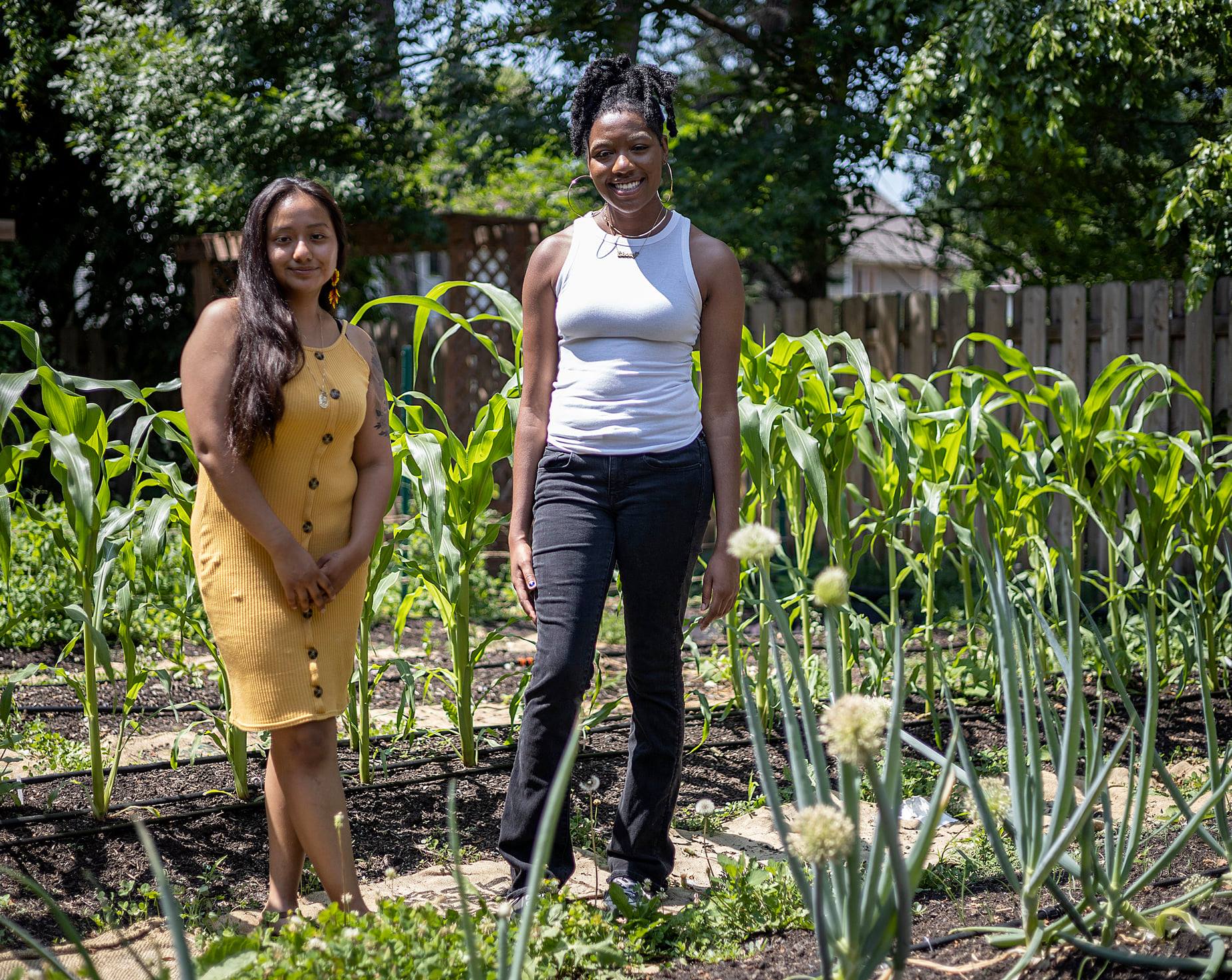
Jimmy Loyd, MBA and MPM, named community development director

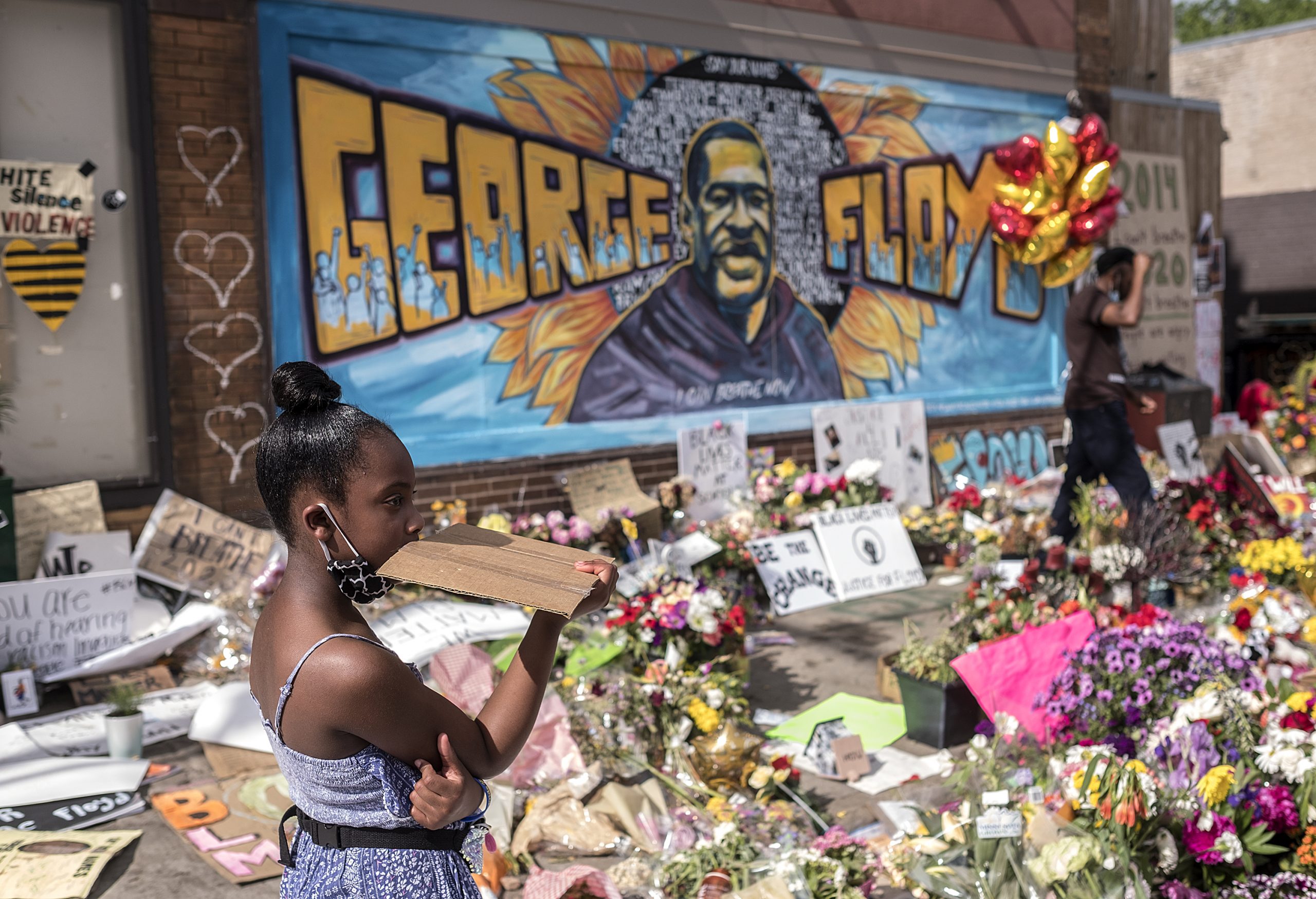
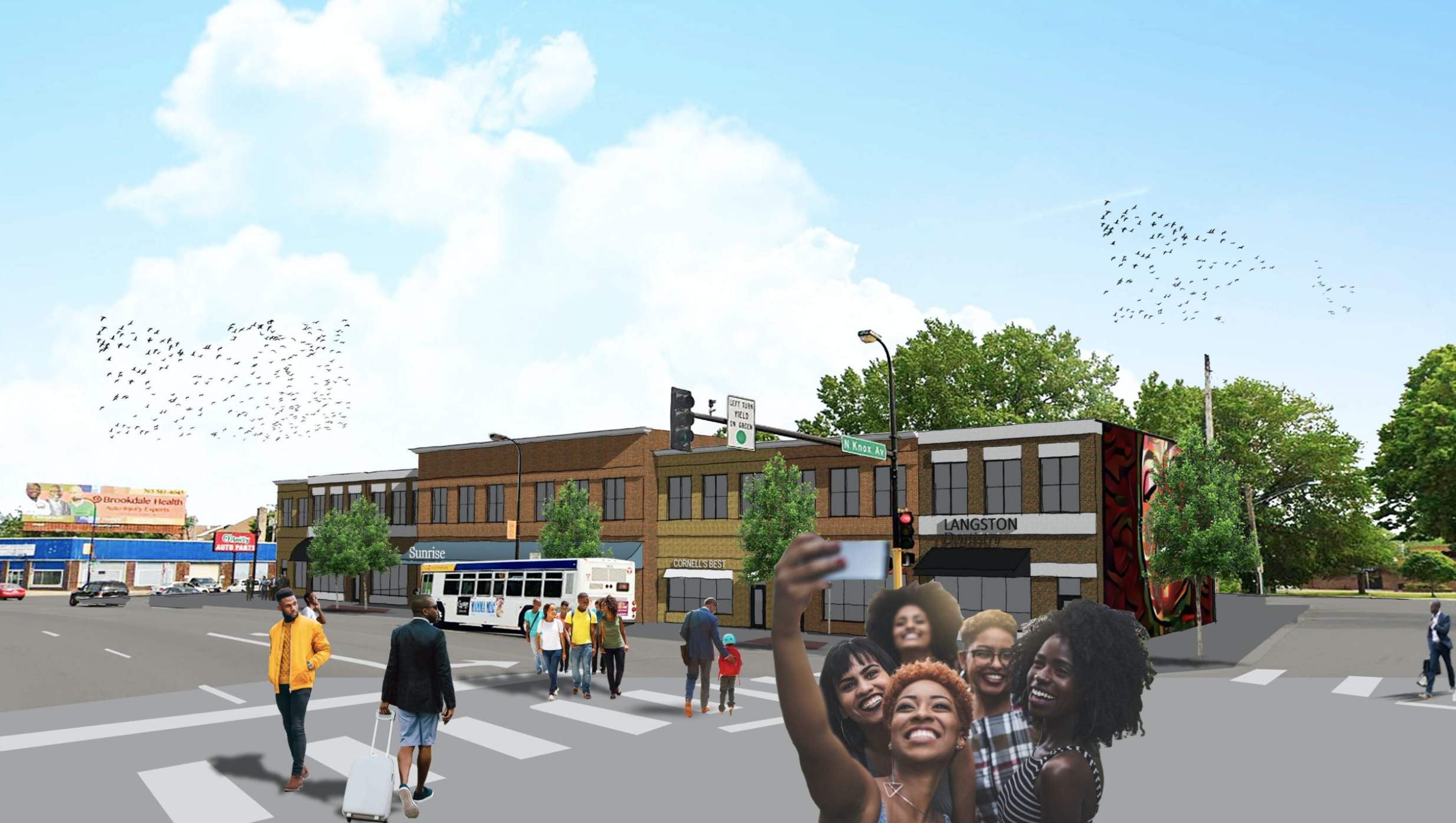
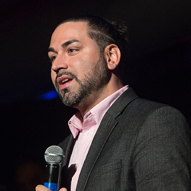
MINNEAPOLIS, Minn. — Pillsbury United Communities has named Jimmy Loyd Director of Community Development for Justice Built Communities (JBC), a community development corporation. The purpose of JBC is to power equitable economic development in the black and brown communities of Minnesota that have experienced decades of disinvestment. To prevent further disenfranchisement of these communities as neighborhoods rebuild after the recent unrest, JBC will operate as community quarterback convening community leaders and local organizations to plan and implement a holistic approach that includes direct support to black and brown entrepreneurs and small businesses.

“Jimmy brings the real estate development and business acumen paired with a deep commitment to racial equity,” said Adair Mosley, President and CEO. “He shares our vision for building thriving communities, centering community’s voice, and we are honored to have him move this initiative forward.”

Jimmy is a graduate of DeVry University and Keller Graduate School of Management. His real estate planning and development experience includes four years with the City of Minneapolis during which time he was recognized for “Excellence in Economic Development” by the International Economic Development Council for the City of Minneapolis B-Tap Program. His experience also includes serving as Small Business Program Manager at Northside Economic Opportunity Network, Real Estate Director at YMCA – Greater Twin Cities, and most recently Economic Development Coordinator for the City of Brooklyn Center.

“I chose to join Pillsbury United because of the organization’s willingness to take bold action,” Loyd said. “I look forward to partnering with other CDCs, neighborhood associations, and business district councils to develop new land-based solutions that benefit the community.”

Justice Built Communities convenes stakeholders across sectors and prioritizes comprehensive approaches to neighborhood revitalization that will prevent gentrification and displacement while driving enterprise development and wealth creation in black and brown communities of greater Minneapolis. More information at justicebuiltcommunities.org.

What we need from you now

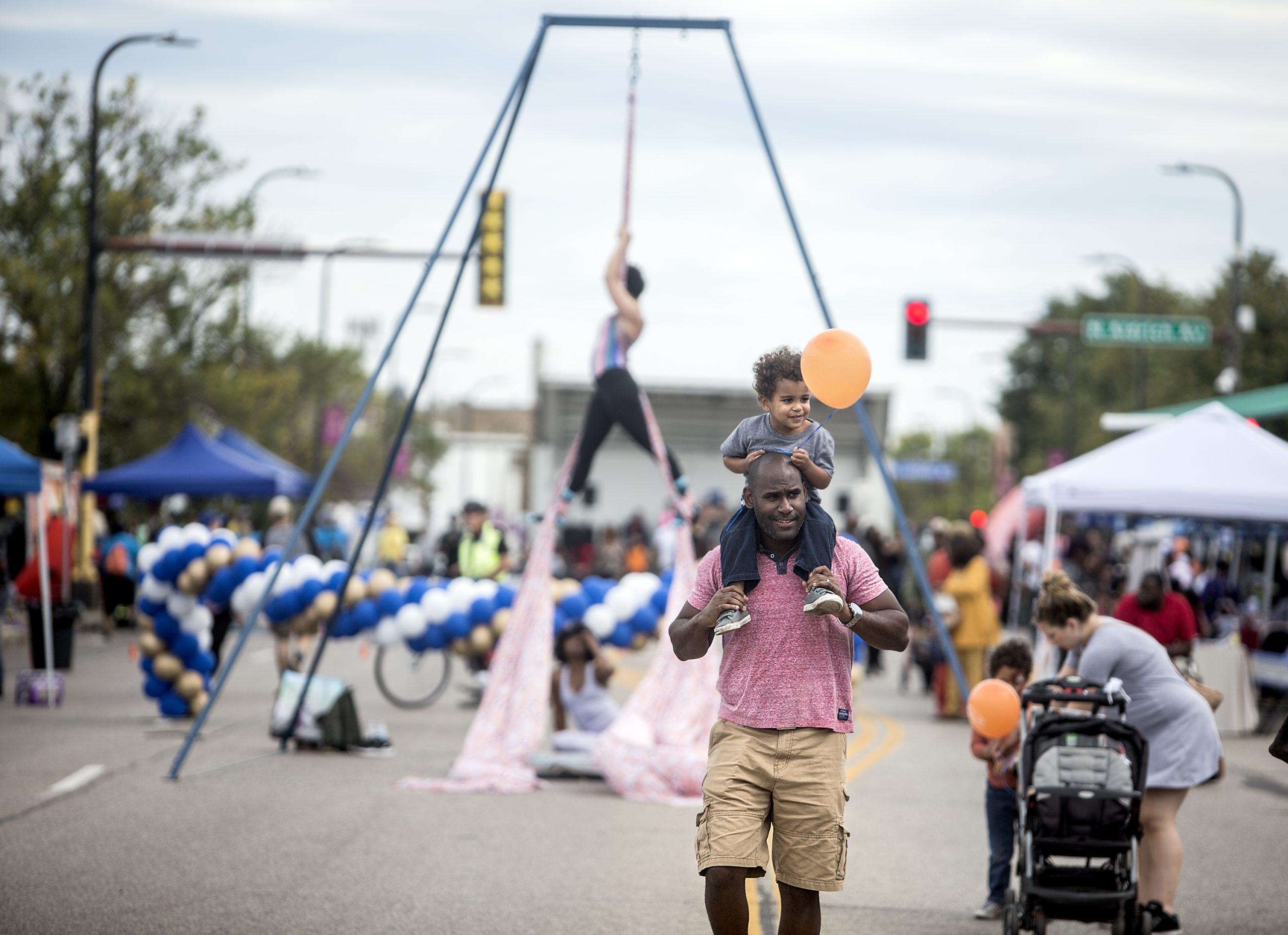
Community member carrying kid on shoulders at Open Streets on Broadway Ave

The compounding effects of intersectional oppression are prominently on display right now. We have an uncontrolled pandemic, on top of the longtime public health crisis that is institutionalized racism. Our democracy is under threat. People are unhoused in record numbers. Gaps in wealth, health, and educational outcomes between the haves and have-nots in our communities are widening even further.

Reimagined systems are desperately needed, and Pillsbury United Communities is heeding that call. Through the lens of people, place, and prosperity, our leaders are aggressively advocating for upstream change that will build long term power in our communities. Additionally, our agency has launched a public policy team and a community development corporation to reimagine the structures that govern our day to day lives.

While we use our institutional power to lay a foundation for long-term change, we remain committed to immediate and short-term relief for those who’ve long borne the brunt of our country’s violent and inequitable systems. We must be responsive to the needs of today without settling for them as permanent fixtures of life in our city.

We hope you’ll join us in seeking justice. For advice on where to start, we’ve asked a few of our leaders to share their wisdom.

Tsega Tamene, Senior Director of Population Health

Tsega Tamene

COVID-19 has been a truth teller. It has exposed what was already in plain sight to many of us. Black, Indigenous, and communities of color have experienced the disparate economic, health, and psychosocial impacts of racism well before, starkly during, and very well likely after this pandemic—unless we choose a different world.

We must reimagine, redesign, and transform systems toward health justice. In doing so, we must fundamentally shift how we think, speak, and act about health and health inequities. Namely, we must shift from treating health as a commodity to health as a human right. Shift now by:

  • Supporting frontline workers like ours who everyday disrupt health inequities that are driven by social and structural harms rooted in racism (not naturally occurring biological difference or individual behavior).
  • Lifting up local wellness and healing justice practitioners who identify as Black, Indigenous, or People of Color (BIPOC).
  • Joining policy advocacy efforts calling for the transformation of our healthcare payment system to prioritize the health of all people. Amplifying the voices of community health workers, doulas, and other critical roles who are lesser valued by existing payment models.
  • Learning more about the history of medicine and racism’s impact on health.
  • Studying yourself to heal yourself. Exploring your racialized trauma and your role(s) in social change.

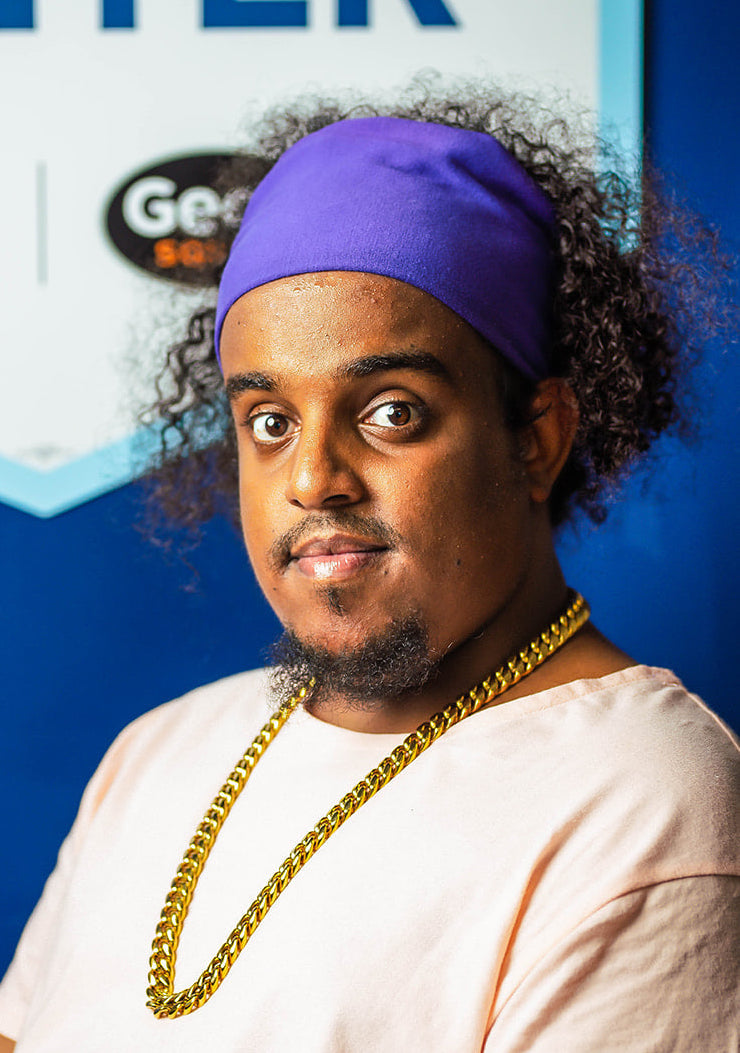
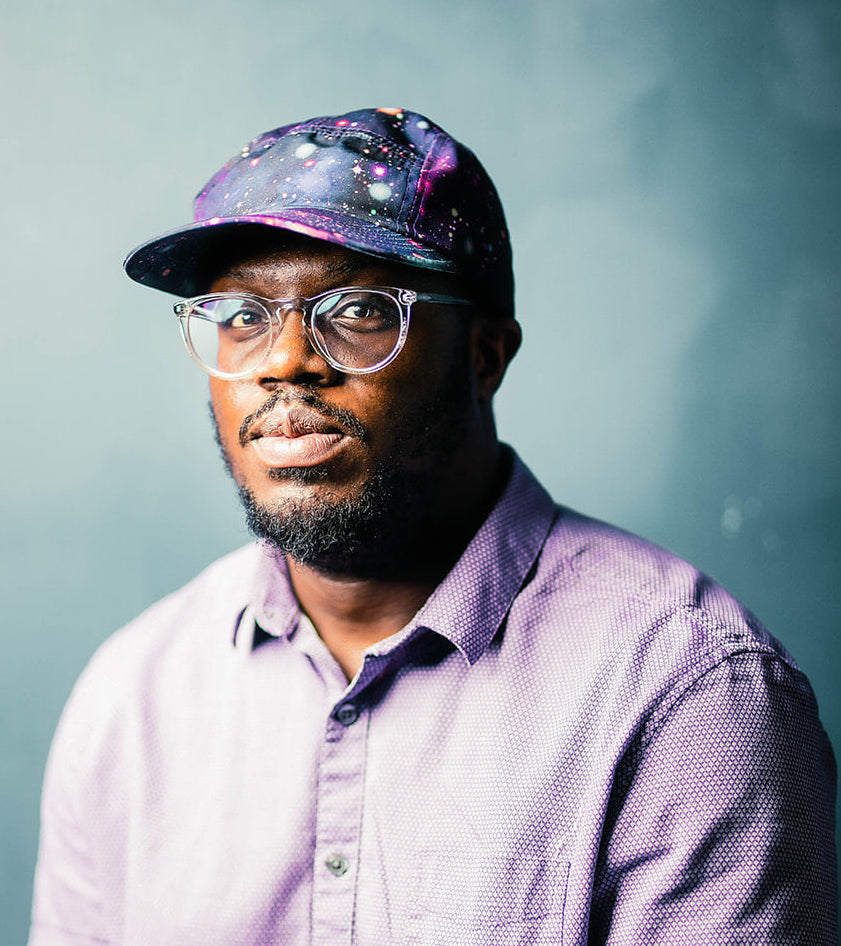
Faye Price & Noel Raymond, Co-Artistic Directors, Pillsbury House + Theatre

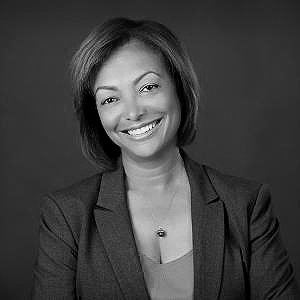
Faye Price - headshot

Faye Price

At Pillsbury House + Theatre, we employ roughly 300, mostly-BIPOC artists every year. Those folks, and the entire creative workforce, are extremely economically unstable right now because of the pandemic. This is a workforce that has been decimated like the restaurant industry.

Our artists are often activists who highlight systemic inequities and cast visions for liberation. They are called to do that imagining regardless of compensation. We need them right now more than ever, and many are being asked to do cultural labor unpaid. There is an expectation that they will always be here, but they won’t if we don’t act. Act now by:

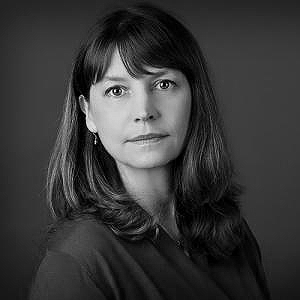
Noel Raymond - headshot

Noel Raymond

  • Hiring an artist. Pay them generously for their time.
  • Donating to a nonprofit’s commissioning fund, so that they are able to hire artists (we have one here at PHT). If you run a nonprofit or work for one, create a commissioning fund and embed artists into your work, minimizing arduous reporting requirements and maximizing compensation.
  • Contacting your member of Congress and tell them to support the Mixed Earner Unemployment Assistance Act of 2020.

Julie Graves, Senior Director of Youth & Future

Julie Graves headshot

Julie Graves

We have built our systems and models of youth programming to complement school models. For better or worse, we live in the tangled webs of integrated systems. When Minneapolis Public Schools change their offerings, we have to pivot too. With school not returning to the status quo this fall, these structures that we’ve played off of always, don’t exist anymore. We have to figure out new ways of engaging our young people and supporting their families in the process. We have to do so in the midst of so much uncertainty about the future of school day education—this year and beyond.

Funding for youth programming in Minneapolis, particularly K-5, has been decimated in the last decade. Our stressed, barebones system of out-of-school youth programming is now being asked to completely reinvent the way it operates to support entirely new needs. We need to return to a system where every child and family has access to a community center that offers a holistic, integrated model of support—tutoring, entertainment, meals, space to just be together.

Support this work by donating to the chronically underfunded community centers, like Waite House, who provide whole-family support. Advocate for more out of school time youth funding in the 2021 Minneapolis city budget—and the state budget. This is violence prevention work. This is an investment in the future of our city.

Antonio Cardona, Director of Office of Public Charter Schools

Antonio Cardona on stage at Greater>Together 2019

Antonio Cardona

Resources are not scarce. They are inequitably concentrated. If we are serious about reimagined systems, we have to question and tactically change what we value and where we direct resources. In public education, we have a simple, yet fundamental challenge: funding for public education is rooted in property taxes that are a result of decades of purposeful housing and employment discrimination. We need to change this system.

Secondly, just as we have been talking about social determinants of health for the last two decades, there are also social determinants of education. COVID-19 and George Floyd’s murder has laid bare the ways in which the most marginalized are the first effected by societal change. Think of a tsunami. First, the water recedes, exposing the gunk just beyond the shoreline. Then, the water slams that same shoreline, throwing everything into disarray. Those on higher ground are able to escape the worst effects. This exposes what kids and families need in order to grow and learn. Stability, food, housing, health care, family businesses—all of the things that have been decimated during this time.

Take action by supporting and participating in the civic institutions that push population-level work forward; voting; completing your Census; and paying attention to city council meetings, school board meetings, and commission decisions. Support and hold your officials accountable while trying to avoid a descent into unhelpful or uneducated dialogue.

Exploring Minnesota’s great outdoors

Youth camping activities

Our youth programs have wrapped up for the summer in what we thought was the most fitting way possible—spending time in the Minnesota outdoors. Knowing that the summer season here is short and filled with all different kinds of opportunities to be outside, we wanted to take advantage of what the natural wonders of this city and state has to offer.

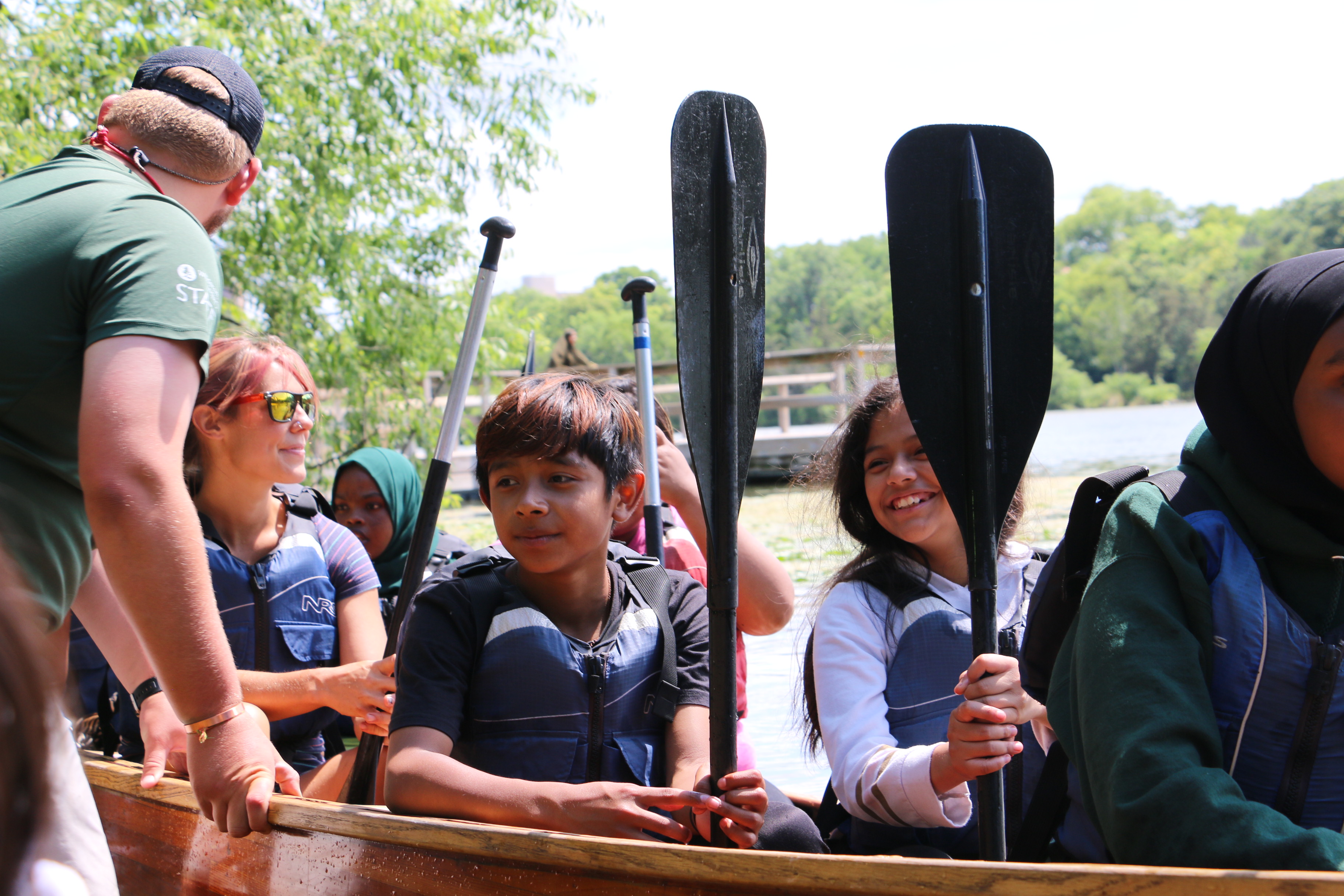
Over the past three weeks, we’ve lead over 80 youth on four different canoeing excursions—two overnight expeditions in the Boundary Waters Canoe Area (BWCA), one overnight trip along the St. Croix River, and one day trip on Minneapolis’ Chain of Lakes. Outdoor expeditions can sometimes be costly and strenuous, but in partnering with the group Wilderness Inquiry, we were able to provide the gear, transportation, and trained guides—all for free.

Maireni, 14, said her favorite part was “Looking at the stars and going to the waterfalls.” And for Luz, 15, it was “Being able to be with nature and talk to new people.” The least favorite part of the experience? The responses were almost unanimous: mosquitos.

While multiple hands-on skills are learned on these trips, from paddling to putting up a tent, making a fire to washing dishes outside—soft skills are strengthened too. Like Baldemar, 14, said, “Teamwork is very vital when you go camping.” Teamwork, communication, and problem-solving skills become necessary when experiencing the outdoors overnight for several days, not always alongside familiar faces, and without the comfortable amenities of home. And without the distraction of phones or other digital devices, youth find their own ways to have fun, whether it be through outdoor games, some good old-fashioned singing, or just taking life a little slower by chatting and building bonds with one another.

Engaging youth in the great outdoors has been a Pillsbury United tradition since the founding of the first settlement houses, and we plan to continue for years to come. Next time, we might just bring some more bug spray.

Public Allies volunteer to help raise youth voices

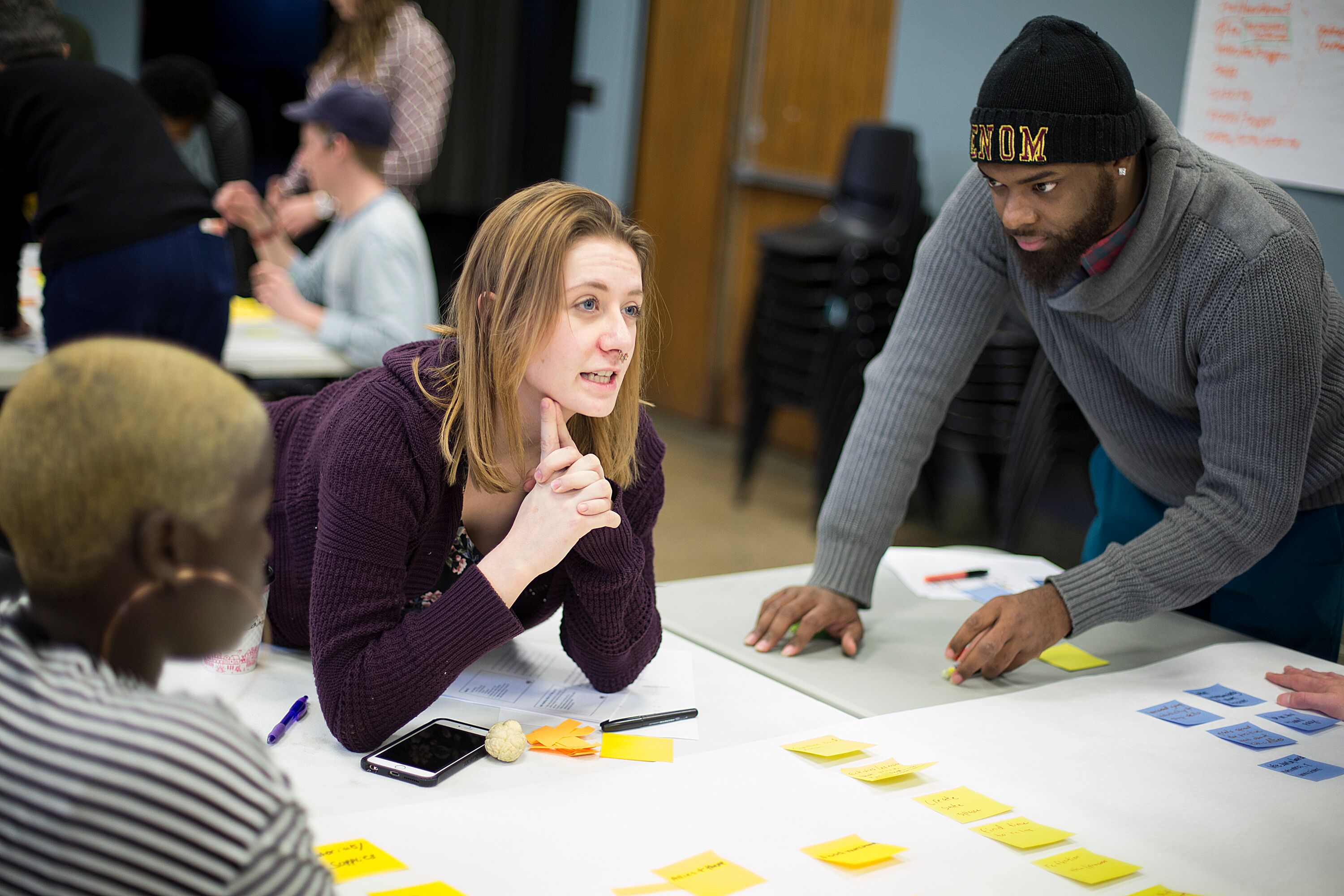
Public Alies participants in ideation session

On March 30, 2019 the Minnesota Youth Council hosted the first of its kind, Youth in Educational Leadership Summit at Patrick Henry High School. The Minnesota Youth Council is a group of youth and adults working together to empower and mobilize young people across the state to use the power of their voices to address issues affecting youth. The event featured many young speakers. Janaan Ahmed spoke about advocacy and leadership and Maddy Fernands spoke about climate justice. Edie Weinstein, a young author, spoke about her book and connecting with people with dementia. More than 200 students, parents, mentors, and teachers participated in the event.

A team of Public Allies volunteered at the event.  They did everything from provide childcare to take photos while not participating in workshops. “As a Public Ally, the experience at YELS was refreshing.” said second year Public Allies fellow You Lee. “Many times, youth voices are pushed aside to make space for adults or professionals in the room. So, it was cool to see youth-led presentations and overall coordination of the conference. I can see that the conference was a good experience for youth as they continue their work in the future.” 

Public Allies is a national movement committed to advancing social justice and equity by engaging and activating the leadership capacities of our young people. Since 1992, Public Allies has helped thousands of underrepresented young leaders serve our country, get on successful pathways to higher education and careers, and bring communities together to work for the common good. Public Allies seeks to find and cultivate young community leaders and connect them to the issues and causes that ignite their passion to create last change. Allies are placed with a nonprofit organization where they help address critical community needs such as youth development, education, workforce development, environmental issues, arts programming and community health.

Students graduate from FANS, 30th program year

Graduation of FANS scholars

This is our 30th year running our free college, career, and life preparatory program for high school students known as FANS. Through the program, students participate in workshops and seminars, are introduced to various career options, go on college tours, develop their leadership skills, get civically engaged, and prepare for the and ACT/SATs.

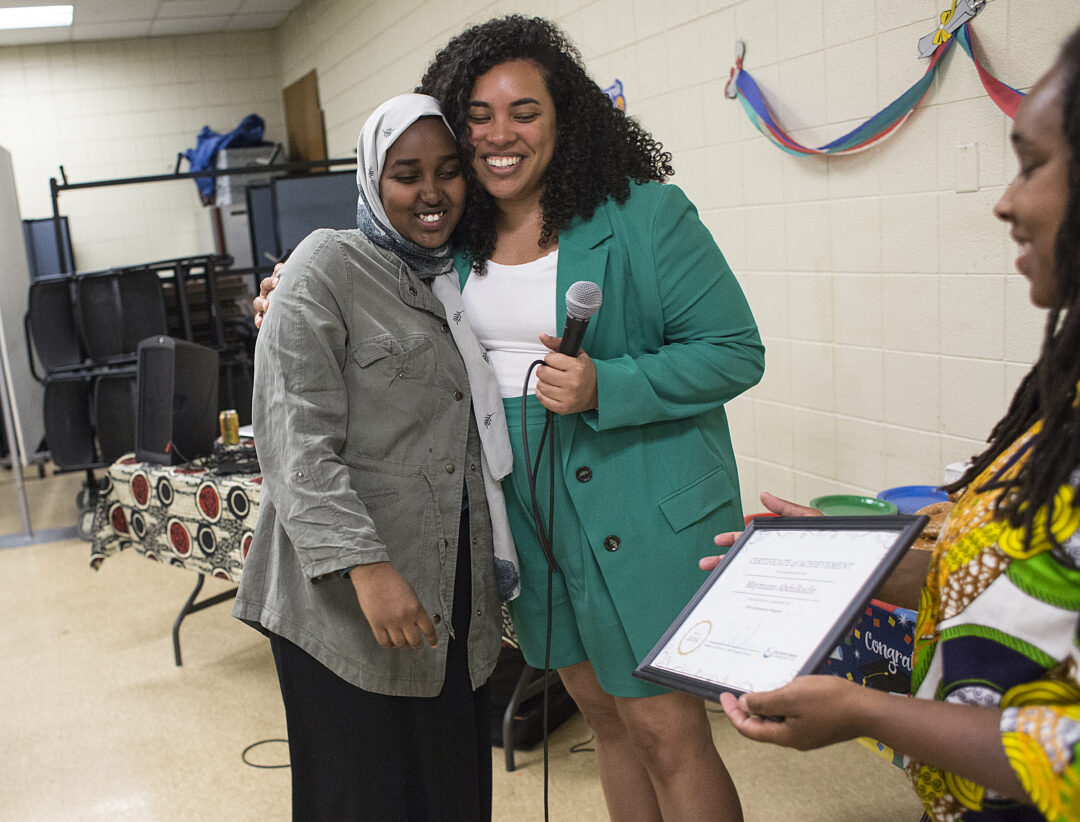
This Spring, we were honored to gather our FANS grads and their families together for our annual awards ceremony to celebrate their accomplishments and wish them well as they take big steps towards their futures. This Fall, graduates will be off to: Augsburg University, Metro State University, Minneapolis Community & Technical College, Saint Paul College, and more!

Students that successfully complete the FANS Scholars program are eligible to receive a small scholarship to assist with college expenses and have their FANS Advocate support them through college graduation. Since its inception, FANS Scholars have received over $1,000,000 in scholarships to assist with college expenses.

Soon-to-be first-gen college students get a glimpse of campus life

FANS students visiting Macalester College

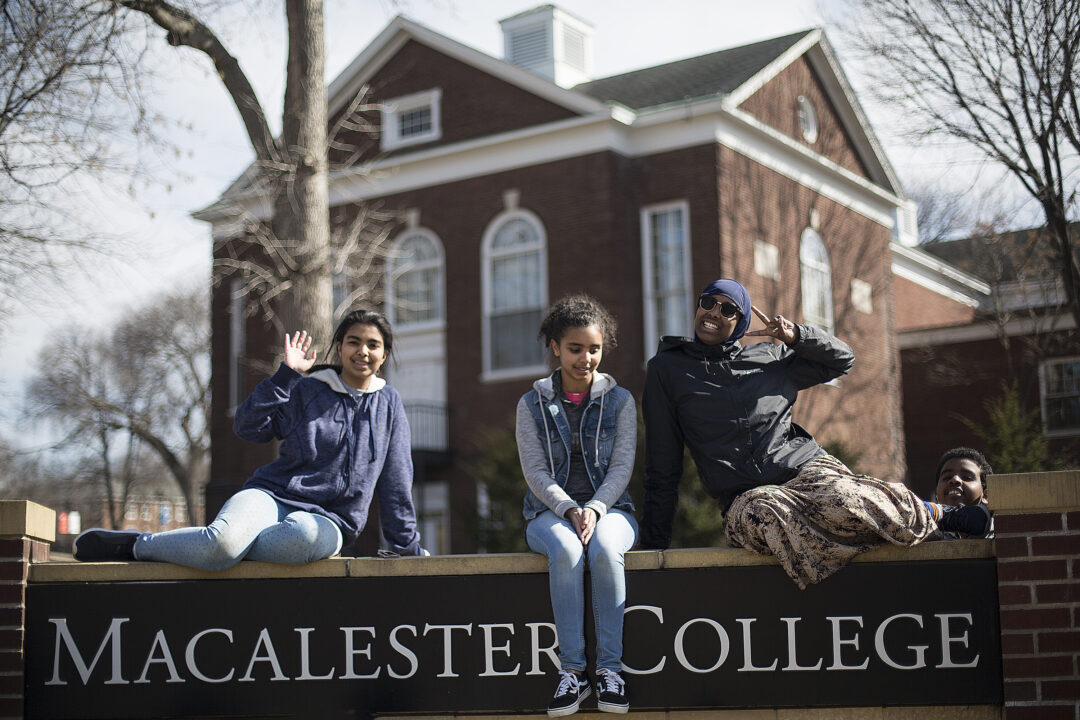
It’s important to prepare young people for the future. Each year, we take our FANS (‘Furthering Achievement through a Network of Support’) high school students on college tours so they can become exposed to different kinds of campuses and classrooms, living situations, academic tracts, supportive resources, and more. Choosing a college and major are big decisions, made even more difficult if you’re not quite sure of all the options available to you. This year, youth from our FANS programs toured three college campuses in St. Paul led by former youth program participants. It was an energizing day, to say the least!

Highlights included:

✔ Seeing the medical, manufacturing & tech training spaces at St. Paul College

✔ Viewing a dorm and “Idea Lab” at Macalester College as well as learning about mental health resources

✔ Learning about “campus culture” and how to start on-campus clubs at Hamline University

FANS is a free college, career, and life preparatory program for high school students. Students benefit from a support system and activities to strengthen high school performance and to achieve success after graduation in college and beyond. Students that complete the program are eligible to receive a small scholarship to assist with college expenses and an advocate who will support them through college graduation. Since its inception in 1988, FANS Scholars have received over $1,000,000 in scholarships.

The authentic voice of the Northside

North News reporter

Minneapolis’s Northside is a community with a rich history and a bright future. But a full and nuanced account of this neighborhood is seldom told. Instead, perceptions of North Minneapolis and its people are often reduced to a single, negative narrative: one of crime, poverty, blight, and disparity. That storyline feeds a self-fulfilling prophecy. As long as policy makers, law enforcement, and community members subscribe to that narrative, little can be done to change it.

This is where community media can make a tremendous difference. By empowering people to tell their own story, community newspapers and other hyper-local media reveal the truth of a place to the wider public — and, crucially, to the community itself.

That’s the role of North News. Relaunched in 2016 by Pillsbury United Communities,  North News is a grassroots print and digital news source that works to deepen empathy and appreciation for North Minneapolis. Each monthly issue delivers original reporting and insightful stories about people and events shaping our neighborhoods, all told from a Northside perspective.

North News editors and journalists work to capture voices that get left out of the dominant media narratives. In 2018, the paper published stories about mistreatment within the housing system, life after prison, and environmental injustice on the Northside. In the paper’s groundbreaking Trauma Trooper series, journalists captured the trauma-related realities facing youth in North Minneapolis — a vital step in persuading the community and city professionals to respond.

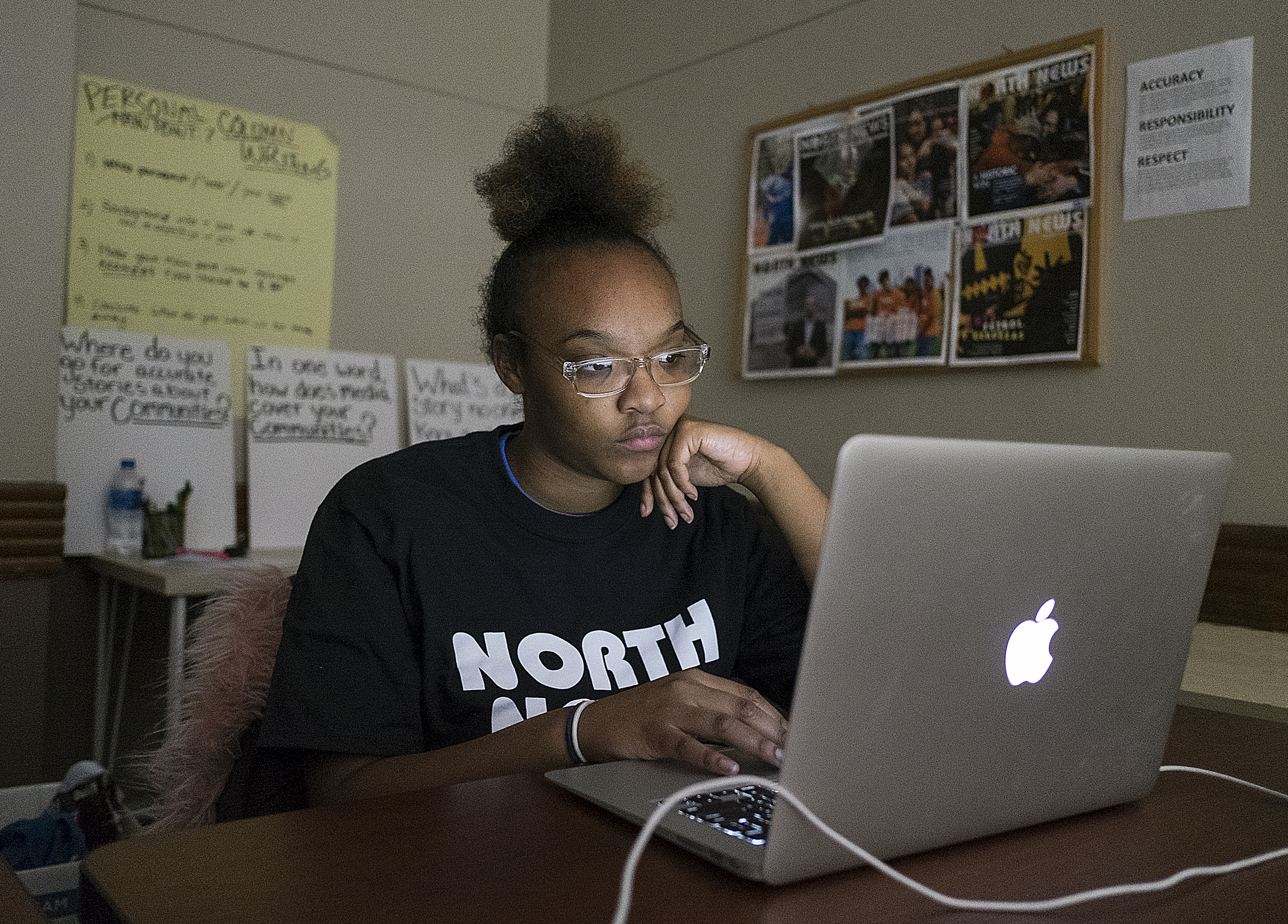
At the same time North News opens minds, it also opens doors. The content is made possible by young writers and reporters in North High School’s daily journalism classes. 58 students have participated since the paper’s relaunch in 2016 — brainstorming ideas, choosing angles for their stories, and identifying their own experts. In the process, they grow their job skills and ambitions and become visible leaders in their community.

In the two years since its relaunch, North News has become the neighborhood’s indispensable voice, with a print circulation of 10,000 papers and online stories and Facebook posts that typically reach thousands of readers each month.

We recognize a key social issue facing Minneapolis is the lack of empathy and understanding of one another’s experiences. By painting a full and vivid picture of a dynamic community — its triumphs as well as its struggles — North News nurtures a foundation for real, inclusive change. We’re helping people tell the story they see and live, not the same old one they’ve always been told.

“I’ve learned first hand how journalists can connect to their communities and the value of the work they do. North News gives us the power and the responsibility to represent our neighborhood.” — Daija, North High alumna and former North News Intern

BY THE NUMBERS

10,000 monthly print circulation

400 public bulk drop sites and home subscriptions

58 student journalists engaged since the paper’s relaunch in 2016

Growing food and security on our own turf

Workers at Freight Farm

Minnesota’s economy was founded on food. Yet today 1 in 8 children in our state struggle with hunger. 1 in 6 Minnesotans don’t know where their next meal will come from. What’s behind this disconnection? While food is plentiful in our state, gaps in income and access mean it’s not getting where it’s needed most — especially in low-income areas and communities of color.

Ensuring families are well fed has been at the heart of Pillsbury United’s work for over a century. Through food recovery and redistribution efforts at our community cafes and food shelves, we’re making a big impact: turning every dollar donated to our food shelves into $7 of purchasing power for families we serve.

But pressure on the system continues to grow. “We’re seeing a 30% increase in clients every year between our two food shelves,” says Ethan Neal, Food Systems Manager for Pillsbury United Communities. “As other centers close, people are migrating to our food shelves. As a result, we have more clients and less money.”

Meeting surging demand means growing our food donations — and finding creative ways to expand supply. Urban agriculture is an ingenious answer. Pillsbury United has spearheaded farm and community garden projects at 10 locations across our sites in the Twin Cities. These farms produce fresh fruits and vegetables for our food shelves and meal programs city-wide, including a hydroponic growing operation that yields healthy greens 365 days a year.

It’s an investment in nutritious food as well as self-sufficiency. “By 2020, we want 40% of the food served at our community cafes to be grown by us right here in the neighborhood,” says Neal. These farms grow human capability as well, providing hands-on education and internship opportunities for young people who want to build a smarter food system. We’re even partnering with the University of Minnesota researchers to build a model for other organizations to follow.

Our vision: to build a closed-loop system that ensures everyone in our communities is well fed with healthy, nutritious, and culturally appropriate food that is locally and sustainably grown. Next, we’re drawing up plans for a Community Supported Agriculture program that delivers homegrown produce to our neighbors at the peak of freshness. That’s how you grow a healthier community from the inside out.

“Getting fresh food, eating good food – it’s going to give them happiness, bring them joy.” — Ghartey, community member and former Waite House volunteer

BY THE NUMBERS

1.2 acres of vertical indoor growing space

4 varieties of healthy greens plus herbs and edible flowers growing at all times

40% of food served in our community cafes will be Pillsbury United Communities grown by 2020

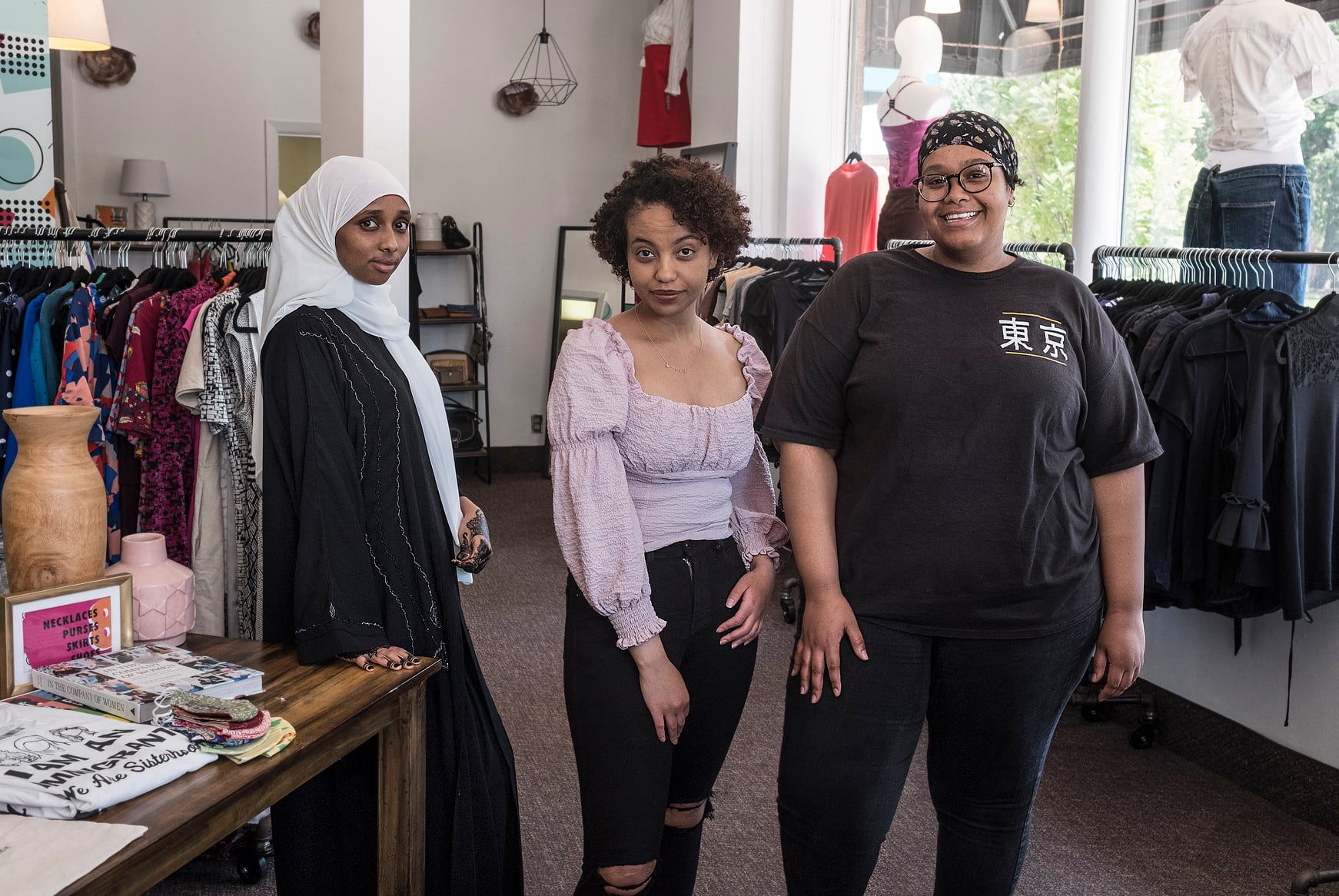
Sisterhood Boutique heads north for adventure

Sisterhood Boutique participants preparing for Boundary Waters canoe trip

In July 2018, Sisterhood Boutique took a group of young women to the Boundary Waters Canoe Area. This was the third year the Sisterhood has facilitated an expedition in lead by Big City Mountaineers.

On this trip, youth camped for 8 days, paddled 39 miles, and portaged 350 rods where they carried 80 pound canoes on their shoulders and 50 pound bags on their backs. 

These expeditions are meant to introduce youth to the outdoors (especially young East African women) through backcountry camping and canoeing where they are taught how to be independent in the wilderness. Youth learn technical skills including how to set up a tent, purify water, cook and clean outside, and paddle a canoe—all while making sure to take care of the land and ‘leave no trace’ in the process. While developing these hands-on skills, youth are simultaneously enhancing their communication and leadership skills, pushing themselves to new limits, and experiencing what it means to work as a teamwork at a whole new level.

It was a life changing experience for many of the young women:

“It was a nice trip. I never used to enjoy nature like that. I always used to ignore it and stay in my house. But now I learned the real meaning of being outdoors and it’s actually pretty fun.” Sara, 13

“I learned that after some hardship, there comes an ease. After going through some really tough situations, we came across a nice place to stay, played a little, had a swim in a cool lake, walked on a beach, experienced something new.” Fardowza, 17

X