Summer 2020: youth programs by the numbers

Summer 2020—and our agency’s summer youth programs—have officially wrapped up. As you can expect in light of a post-COVID world, programming these past few months has looked quite different compared to summers past. Yet despite the added challenges of navigating daily life during a global pandemic, our young folks still took the time to learn and develop their personal and professional skillsets, create powerful multimedia content, and step up to support their community.

Here’s a quick breakdown of what our young folks were up to in summer 2020:

  • 19 urban agriculture interns, in partnership with the Minnesota Landscape Arboretum’s Growing Good initiative, learned how to grow and cook their own food from home!
  • 14 food shelf interns helped neighbors meet their essential needs surrounding food access and crucial services by running our food shelves, making and serving hot meals, and delivering food parcels and prescriptions to elders and families
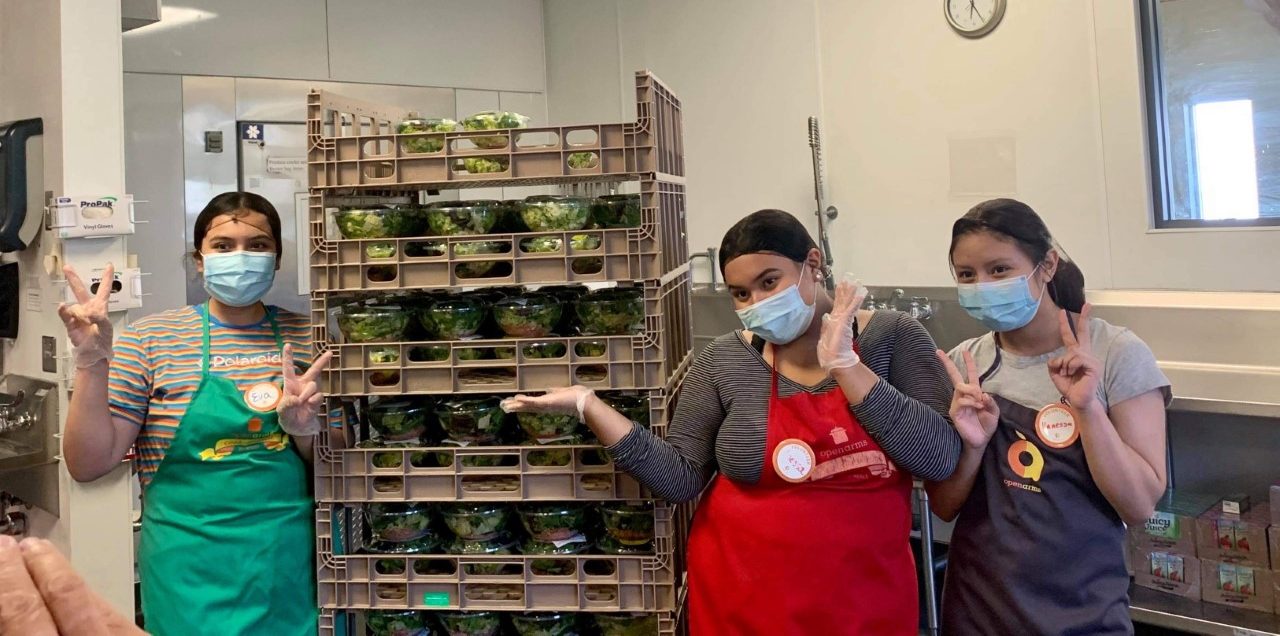
  • 8 Roots for the Home Team interns grew produce and designed a signature salad using culturally relevant and locally grown ingredients. The cancellation of summer baseball meant they couldn’t sell their salads at Twins games, as in past summers—so instead, they partnered with Open Arms to prepare and distribute fresh salads to thousands of individuals living with chronic illness across the Twin Cities Metro.
  • 7 youth researchers examined issues pertaining to mental health and addiction in the Phillips community, deepening their civic engagement and sense of community connection.
  • Plus 73 paid interns hosted at Pillsbury United social enterprises, including:
    • Sisterhood Boutique, our youth-managed fashion consignment store in Cedar Riverside, where young women cultivated their business savvy and leadership skills;
    • KRSM Radio, our radio station in the Phillips community, where youth learned audio production skills (including podcasting and DJing) to share their reflections on the death of George Floyd, COVID-19, and other issues that matter to them.
    • Brian Coyle Best Buy Teen Tech Center, a space for young people in the Cedar Riverside neighborhood to explore their digital creativity.

All in all, we got the opportunity to work with 121 talented and hard-working young people this summer, engaging them in a mix of virtual and in-person programming across our various agency sites and programs.

While these programs provided valuable opportunities for growth and development, what’s also important—if not more important—is that these programs provided safe and supportive spaces for young people to socially connect and express themselves. As we enter into the new school year with the uncertainty of a socially distanced “new normal,” the power of those connections can’t be overstated.

What we need from you now

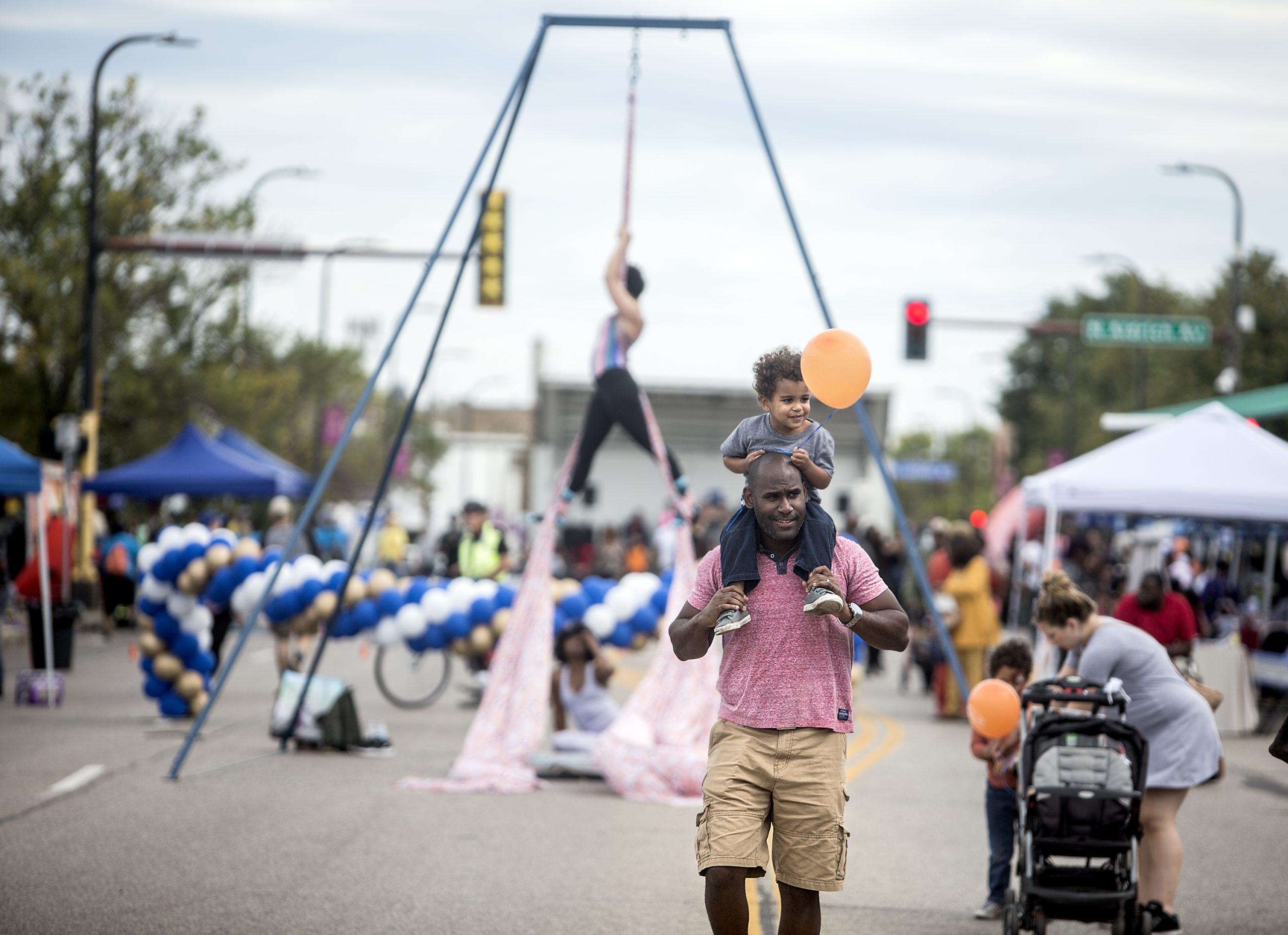
Community member carrying kid on shoulders at Open Streets on Broadway Ave

The compounding effects of intersectional oppression are prominently on display right now. We have an uncontrolled pandemic, on top of the longtime public health crisis that is institutionalized racism. Our democracy is under threat. People are unhoused in record numbers. Gaps in wealth, health, and educational outcomes between the haves and have-nots in our communities are widening even further.

Reimagined systems are desperately needed, and Pillsbury United Communities is heeding that call. Through the lens of people, place, and prosperity, our leaders are aggressively advocating for upstream change that will build long term power in our communities. Additionally, our agency has launched a public policy team and a community development corporation to reimagine the structures that govern our day to day lives.

While we use our institutional power to lay a foundation for long-term change, we remain committed to immediate and short-term relief for those who’ve long borne the brunt of our country’s violent and inequitable systems. We must be responsive to the needs of today without settling for them as permanent fixtures of life in our city.

We hope you’ll join us in seeking justice. For advice on where to start, we’ve asked a few of our leaders to share their wisdom.

Tsega Tamene, Senior Director of Population Health

Tsega Tamene

COVID-19 has been a truth teller. It has exposed what was already in plain sight to many of us. Black, Indigenous, and communities of color have experienced the disparate economic, health, and psychosocial impacts of racism well before, starkly during, and very well likely after this pandemic—unless we choose a different world.

We must reimagine, redesign, and transform systems toward health justice. In doing so, we must fundamentally shift how we think, speak, and act about health and health inequities. Namely, we must shift from treating health as a commodity to health as a human right. Shift now by:

  • Supporting frontline workers like ours who everyday disrupt health inequities that are driven by social and structural harms rooted in racism (not naturally occurring biological difference or individual behavior).
  • Lifting up local wellness and healing justice practitioners who identify as Black, Indigenous, or People of Color (BIPOC).
  • Joining policy advocacy efforts calling for the transformation of our healthcare payment system to prioritize the health of all people. Amplifying the voices of community health workers, doulas, and other critical roles who are lesser valued by existing payment models.
  • Learning more about the history of medicine and racism’s impact on health.
  • Studying yourself to heal yourself. Exploring your racialized trauma and your role(s) in social change.

Faye Price & Noel Raymond, Co-Artistic Directors, Pillsbury House + Theatre
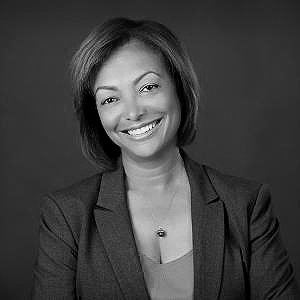
Faye Price - headshot

Faye Price

At Pillsbury House + Theatre, we employ roughly 300, mostly-BIPOC artists every year. Those folks, and the entire creative workforce, are extremely economically unstable right now because of the pandemic. This is a workforce that has been decimated like the restaurant industry.

Our artists are often activists who highlight systemic inequities and cast visions for liberation. They are called to do that imagining regardless of compensation. We need them right now more than ever, and many are being asked to do cultural labor unpaid. There is an expectation that they will always be here, but they won’t if we don’t act. Act now by:
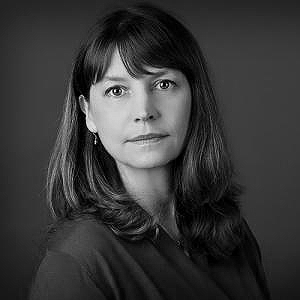
Noel Raymond - headshot

Noel Raymond

  • Hiring an artist. Pay them generously for their time.
  • Donating to a nonprofit’s commissioning fund, so that they are able to hire artists (we have one here at PHT). If you run a nonprofit or work for one, create a commissioning fund and embed artists into your work, minimizing arduous reporting requirements and maximizing compensation.
  • Contacting your member of Congress and tell them to support the Mixed Earner Unemployment Assistance Act of 2020.

Julie Graves, Senior Director of Youth & Future
Julie Graves headshot

Julie Graves

We have built our systems and models of youth programming to complement school models. For better or worse, we live in the tangled webs of integrated systems. When Minneapolis Public Schools change their offerings, we have to pivot too. With school not returning to the status quo this fall, these structures that we’ve played off of always, don’t exist anymore. We have to figure out new ways of engaging our young people and supporting their families in the process. We have to do so in the midst of so much uncertainty about the future of school day education—this year and beyond.

Funding for youth programming in Minneapolis, particularly K-5, has been decimated in the last decade. Our stressed, barebones system of out-of-school youth programming is now being asked to completely reinvent the way it operates to support entirely new needs. We need to return to a system where every child and family has access to a community center that offers a holistic, integrated model of support—tutoring, entertainment, meals, space to just be together.

Support this work by donating to the chronically underfunded community centers, like Waite House, who provide whole-family support. Advocate for more out of school time youth funding in the 2021 Minneapolis city budget—and the state budget. This is violence prevention work. This is an investment in the future of our city.

Antonio Cardona, Director of Office of Public Charter Schools
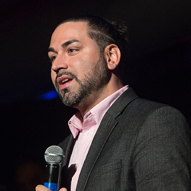
Antonio Cardona on stage at Greater>Together 2019

Antonio Cardona

Resources are not scarce. They are inequitably concentrated. If we are serious about reimagined systems, we have to question and tactically change what we value and where we direct resources. In public education, we have a simple, yet fundamental challenge: funding for public education is rooted in property taxes that are a result of decades of purposeful housing and employment discrimination. We need to change this system.

Secondly, just as we have been talking about social determinants of health for the last two decades, there are also social determinants of education. COVID-19 and George Floyd’s murder has laid bare the ways in which the most marginalized are the first effected by societal change. Think of a tsunami. First, the water recedes, exposing the gunk just beyond the shoreline. Then, the water slams that same shoreline, throwing everything into disarray. Those on higher ground are able to escape the worst effects. This exposes what kids and families need in order to grow and learn. Stability, food, housing, health care, family businesses—all of the things that have been decimated during this time.

Take action by supporting and participating in the civic institutions that push population-level work forward; voting; completing your Census; and paying attention to city council meetings, school board meetings, and commission decisions. Support and hold your officials accountable while trying to avoid a descent into unhelpful or uneducated dialogue.

Serving with a smile at People Serving People

EPIC program participants volunteering with People Serving People

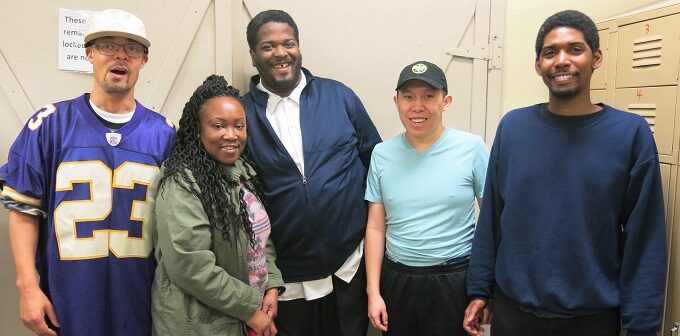
Every Tuesday, volunteers from our Employing Partners in Community (EPIC) Program are at People Serving People to assist with building beautification. This is a partnership that has been in place since 2010. Its just one of the many places where program participants and staff volunteer each week.

The EPIC Program, based at the Pillsbury House, is all about skill building, involvement in our community and making memories. Volunteering is practice that provides program participants a chance to gain and strengthen work skills while also helping others and integrating in the community.  At People Serving People, EPIC helps with the janitorial services and that’s a big job. There are seven floors and a long list of housekeeping tasks that need to be done on each floor. Tasks include sweeping, mopping, vacuuming, and cleaning windows. After the work is completed, People Serving People kindly provides a hot meal in exchange for the work. Some of the volunteers favorites are beef nachos, tacos, and smothered chicken.

Learning that sparks imagination and potential

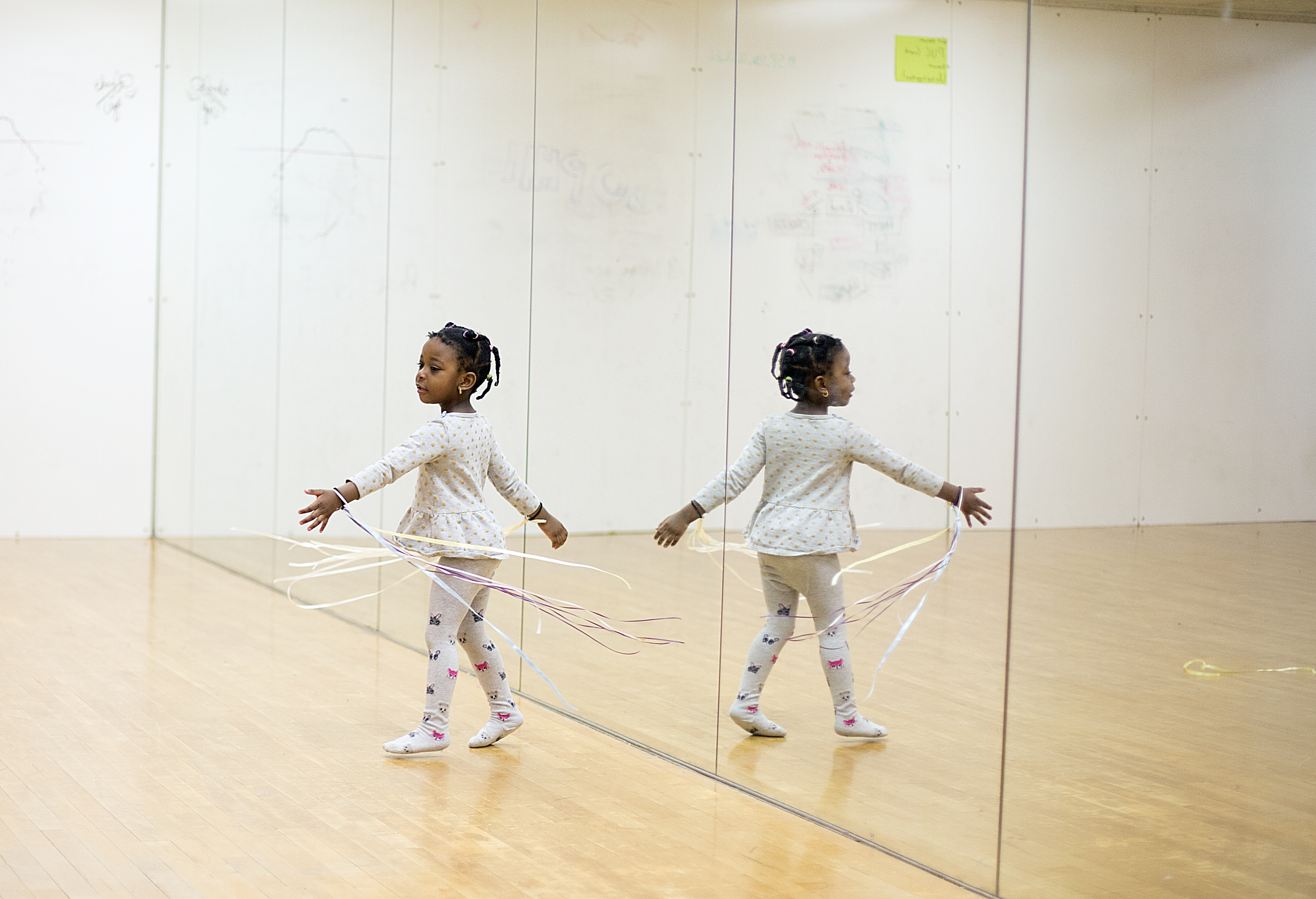
Young girl at PEEC

Birth through age five is a critical time in childhood, when little brains make more connections than at any other time in life. During this important window, children need access to age-appropriate learning — social, emotional, and academic — or risk falling behind. Yet many children in our state lack the early learning opportunities they need to arrive at kindergarten prepared. That feeds the pronounced achievement gaps in Minnesota, where our students of color rank at the bottom nationally for graduation rates, test scores, and other metrics.

The reality is, access to high-quality, affordable, and culturally-relevant preschool is severely limited in precisely the communities where it’s most needed. We see that as an urgent call to action. To give more children in our community the opportunity to succeed, we created Pillsbury Early Education Center, or PEEC.

Situated in Minneapolis’ Phillips neighborhood, PEEC prepares children to thrive in school and life with a genuinely integrated approach. More than ABCs and 123s, PEEC works to nurture kids’ curiosity, creativity, and cultural identities and support their physical and emotional well-being. Staffed by experienced teachers who know the communities they serve, PEEC brings culturally responsive instruction that responds to and celebrates diversity and difference.

Arts have the power to increase access, attachment, and agency for all. So we make creativity the hallmark our curriculum. The school is housed in a vibrant neighborhood arts center that supplies teaching artists to the program. Our teachers are creative role models who encourage children to express themselves through writing, drumming, movement, music and formal and informal performances. As part of PEEC’s theatre and storytelling curriculum, preschoolers create and act out their own stories — developing literacy, communication skills, and confidence in the process.

When families are engaged, children simply learn better. PEEC is co-located with a variety of Pillsbury United social services, making parental involvement part of families’ daily routine. Through tuition support and other resources, we help families in times of financial hardship, so kids have a stable foundation for whatever uncertainty life brings.

Around 40 children a year participate in PEEC. And the results speak for themselves. In 2017 and 2018, 100% of children aging out of the program demonstrated kindergarten readiness. 100% of younger children showed age-appropriate social, emotional, cognitive and physical development. 100% were up to date with immunizations and received well child check-ups. And 100% of parents and caregivers reported that the information and resources PEEC provided helped with positive parenting.

Of course, PEEC can’t solve the gaps in educational access and achievement on its own. Our brand of culturally-attuned education can serve as a model, in Minnesota and beyond, for how communities prepare their youngest members for a lifetime of lively learning and creative participation.

“Our family has loved the exposure to the arts — dance, singing, theatre, art and the cultural influences provided at Pillsbury. Our girls’ confidence in themselves and creative energy is a direct result of their time at Pillsbury.” — Genevieve, Parent

BY THE NUMBERS

100% success rates for kindergarten readiness over the past six years

4-STAR rating from Parent Aware, their highest rating

3 languages of instruction: English, Spanish, and ASL

Growing food and security on our own turf

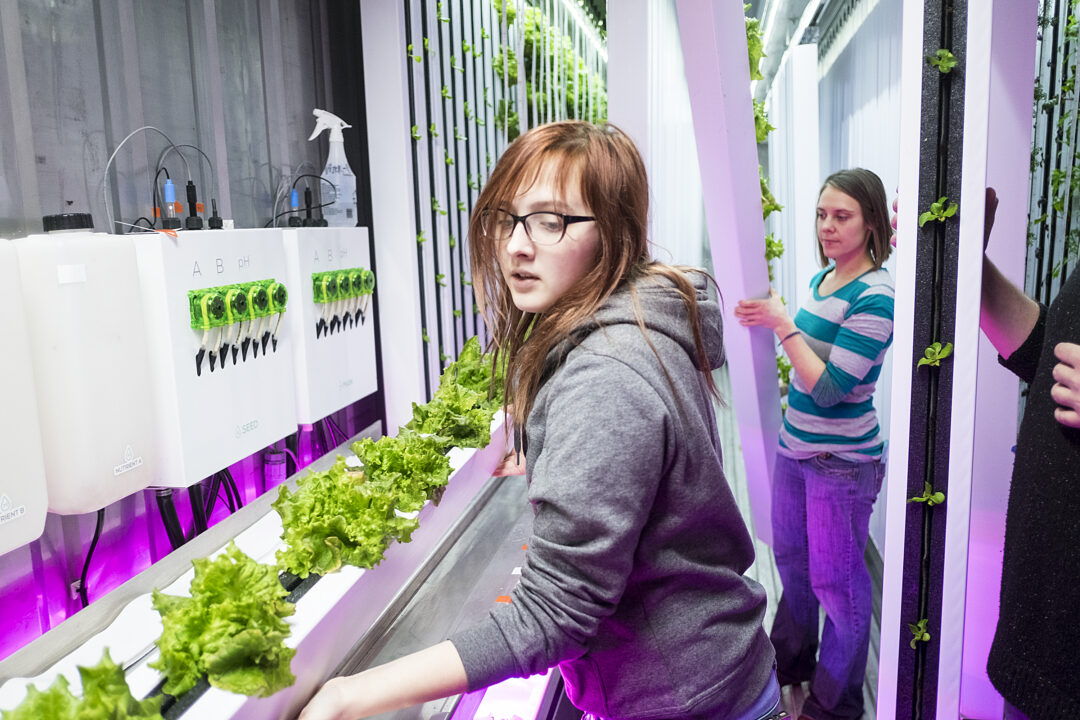
Workers at Freight Farm

Minnesota’s economy was founded on food. Yet today 1 in 8 children in our state struggle with hunger. 1 in 6 Minnesotans don’t know where their next meal will come from. What’s behind this disconnection? While food is plentiful in our state, gaps in income and access mean it’s not getting where it’s needed most — especially in low-income areas and communities of color.

Ensuring families are well fed has been at the heart of Pillsbury United’s work for over a century. Through food recovery and redistribution efforts at our community cafes and food shelves, we’re making a big impact: turning every dollar donated to our food shelves into $7 of purchasing power for families we serve.

But pressure on the system continues to grow. “We’re seeing a 30% increase in clients every year between our two food shelves,” says Ethan Neal, Food Systems Manager for Pillsbury United Communities. “As other centers close, people are migrating to our food shelves. As a result, we have more clients and less money.”

Meeting surging demand means growing our food donations — and finding creative ways to expand supply. Urban agriculture is an ingenious answer. Pillsbury United has spearheaded farm and community garden projects at 10 locations across our sites in the Twin Cities. These farms produce fresh fruits and vegetables for our food shelves and meal programs city-wide, including a hydroponic growing operation that yields healthy greens 365 days a year.

It’s an investment in nutritious food as well as self-sufficiency. “By 2020, we want 40% of the food served at our community cafes to be grown by us right here in the neighborhood,” says Neal. These farms grow human capability as well, providing hands-on education and internship opportunities for young people who want to build a smarter food system. We’re even partnering with the University of Minnesota researchers to build a model for other organizations to follow.

Our vision: to build a closed-loop system that ensures everyone in our communities is well fed with healthy, nutritious, and culturally appropriate food that is locally and sustainably grown. Next, we’re drawing up plans for a Community Supported Agriculture program that delivers homegrown produce to our neighbors at the peak of freshness. That’s how you grow a healthier community from the inside out.

“Getting fresh food, eating good food – it’s going to give them happiness, bring them joy.” — Ghartey, community member and former Waite House volunteer

BY THE NUMBERS

1.2 acres of vertical indoor growing space

4 varieties of healthy greens plus herbs and edible flowers growing at all times

40% of food served in our community cafes will be Pillsbury United Communities grown by 2020

X