Growing food as medicine

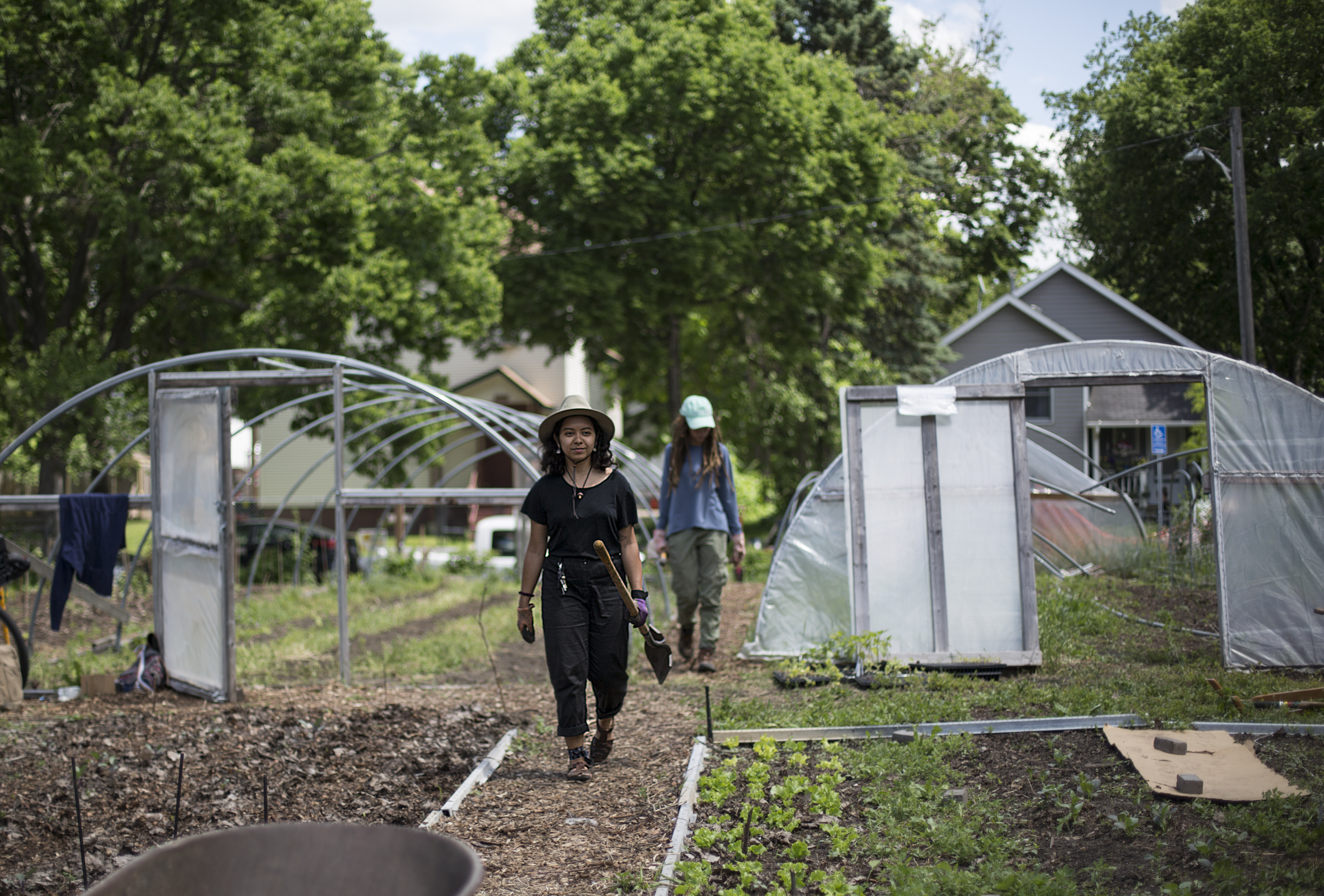
Community member in urban garden

“Food from the earth,” is what Jessica Thurin, Dietician at the Native American Community Clinic (NACC), referred to it as. As members of an indigenous-led network of organizations in South Minneapolis’ Phillips community working towards healthy food access, the 24th Street Urban Farm Coalition, we’re trying out something new this year: going back to the basics. Back to the earth. Back to traditional methods of healing and nourishing by focusing on food as medicine.

NACC, located just two blocks from our Waite House Community Center, provides a range of healthcare and social services to the surrounding, largely Native community. In an area with significant health disparities, recognizing the role food access has to play in determining health outcomes is critical. Many healthcare institutions might talk to their patients about the benefits of healthy eating without really recognizing or addressing the barriers that exist to do exactly that—where to find this food, how to afford it and access it. That’s why our urban agriculture program teamed up with them to begin providing boxes of freshly grown vegetables to their patients. This produce, grown right in their own neighborhood, will be sold to NACC and distributed to their diabetes groups starting this September free-of-charge in an effort to promote healthy eating and lower blood sugar levels.

“You can be taking all these diabetes medications, but if you have a high carbohydrate diet with breads and pastas and not having a lot of non-starchy veggies which is what is from the garden—that can really cause high blood sugars. And so medications can help, but it’s not everything…I think introducing more foods that are right in our backyard can really help prevent some of these chronic diseases and that’s really what we’re after,” Thurin explains.

And NACC isn’t the only place recognizing the power of food in this way. With another one of our gardens, this is our second year of providing CSA packages to the City of Minneapolis’ Lead and Healthy Homes program. Families are referred to their program when elevated lead levels have been detected within their body, after which they are moved to transitional ‘Safe Houses’ while their homes are removed of lead hazards. While in these safe homes, families receive visits from public health nurses as well as deliveries of our food boxes packed full of freshly grown kale, broccoli, collards, and more. The reasoning, Jim Doten, Environmental Services Supervisor for the City’s Health Department, explains, is because “there’s a link between nutrition and susceptibility to lead poisoning.” If someone is deficient in certain nutrients, especially iron, then their body is more likely to absorb lead. So with this program in particular, our farmers are purposely growing more iron-rich foods that are proven to prevent further lead absorption while also lowering existing levels in the body. Alex Vollmar, supervisor of this program, sees the addition of these CSA boxes as a “very holistic approach to responding to elevated blood levels.”

Back to the basics. Remembering how for thousands of years, indigenous communities have used food for nourishment and healing. It’s something that’s often overlooked now, but so necessary to address in order to close health disparities. As members of the 24th Street Urban Farm Coalition, we look forward to continue moving this work forward alongside NACC, Indian Health Board, and other coalition members. Thurin says,

“Food is medicine. I don’t think a lot of people know that. But our ancestors definitely did that. They used food as medicine. They used traditional medicine plants. I really think that’s important to bring that back now.”

North Market selling local produce, supporting local farmers

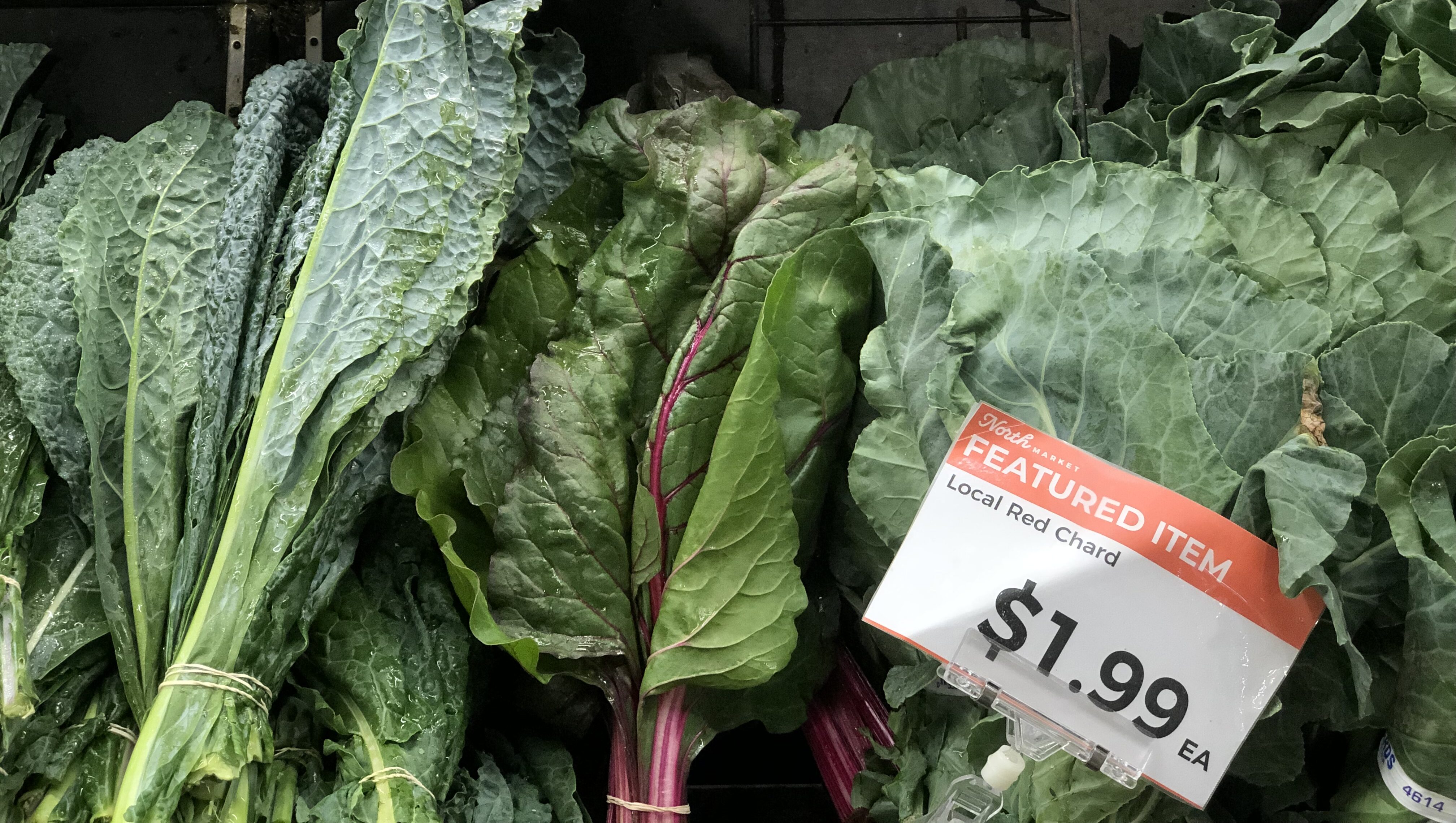
Local produce on sale at North Market

Since they opened their doors in December of 2017, North Market has been working to address food access issues and health disparities in North Minneapolis by uniting three elements in one place: affordable nutritious food, health care services, and wellness education. Staying true to its roots of being built with and for the community, they’ve been purposeful about supporting local entrepreneurs. Right now, you can find products from over 47 local vendors on their shelves. And what’s new this summer? Hyperlocal produce from North Minneapolis farmers. Yep—zucchini, kale, tomatoes, and more picked within just a few blocks.

By purchasing food from local farmers, North Market is able to fulfill its mission of providing affordable healthy food AND acting as an engine for local economic growth. Vanan Murugesan, Director of Design and Innovation at Pillsbury United Communities, said:

“We want to expose the community to the great food businesses that are growing in North Minneapolis and when people buy stuff from the community, it’s keeping the money in the neighborhood. So, we are just a platform for people to connect. On one side we have the customers and on the other we have the farmers and entrepreneurs, and we provide this platform for them to do business. At the end of the day, someone in the neighborhood can enjoy food that was made within 2 miles of where they live and there is something special about that.

Not only does this mean customers can access produce harvested sometimes as freshly as the same day, but they can simultaneously support a local food system along the way. One of the partners providing vegetables to the store is Growing North Minneapolis, a community-based collaborative that advances environmental, social, and racial justice in North Minneapolis. Patsy Parker, a Community Garden Steward with Growing North, said that “The impact of the sales allows us to start planning for next year. So we can think about, ‘Ok, next year, what kind of seeds do we need? Can we actually buy seeds as opposed to just waiting ‘til the spring and hoping someone can bring them to us?’ Traditionally, North Minneapolis has not had good access to seeds and seedlings. We’re learning what it is that people want and what people need. You know—we need to plant a lot more okra.”

Another source of freshly grown produce is from our Pillsbury United Communities farm at Oak Park Center. Proceeds made from these sales will be reinvested into the larger urban agriculture and food work that we do here at PUC, allowing us to provide more education and technical support to local farmers while having extra funds to help purchase food for our food shelves and community meals—two programs where we’ve seen an increase in need and decrease in philanthropic funding .

All of this to say, it seems to be a win for everyone—customers, farmers, and North Market alike. Customers can spend their dollars on the freshest produce possible from the backyards of North Minneapolis (also a win for the environment). Local growers can increase their economic mobility or continue to fuel urban agriculture work in North Minneapolis from their sales. And North Market can help fill a food access gap by not just providing healthy food to the neighborhood, but being intentional about sourcing from and supporting that neighborhood when possible. Because if we are serious about working to close the disparities in North Minneapolis and Minnesota, then it’s going to require creative, transformative solutions.

Gearing up for Census 2020: We all count

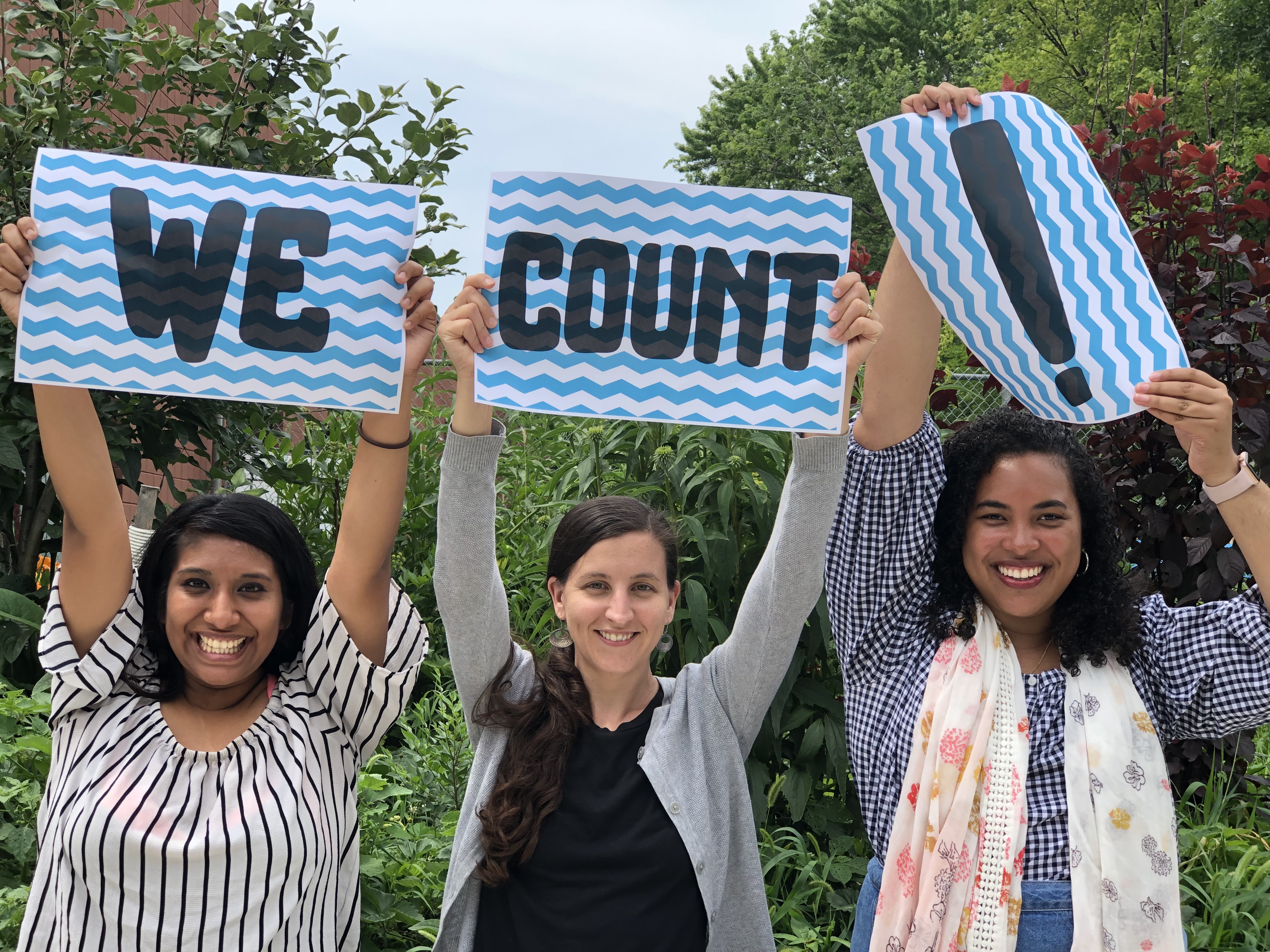
Census 2020: Waite House staff holding "We Count" signs

Medicaid. SNAP. Housing assistance. School meal programs. Child care assistance. Employment and transit services. Head Start. Health and unemployment insurance. The list goes on and on for programs and services that receive federal funding based off of census data. For Minnesota, it’s estimated that the state will lose $28,000 per person over a decade for not counting just one person. So, it’s no surprise that oftentimes it’s the historically undercounted communities that have been historically under-resourced as well.

The census is much more than just a count of who lives here. In addition to it serving as a significant determinant of the allocation of resources to our communities, it also impacts local, state, and national political representation. For this census coming up next year, Minnesota is at risk of losing a congressional seat. And—following the 2010 census results, North Minneapolis actually lost a councilmember. Though the population might actually stay the same (or even increase!), the impacts of not being counted have significant repercussions.

So, what all does this have to do with us? Everything. When resources are underestimated and communities are underrepresented, the opportunity to flourish and thrive diminishes. As an agency who has deep roots in these undercounted communities in Minneapolis—immigrants and refugees, those experiencing homelessness, indigenous communities, low-income households, renters, and more—we have a natural role and responsibility in taking part in census efforts to ensure a complete and accurate count.

We launched our efforts by hosting a census hiring fair at Brian Coyle Center in Cedar Riverside, with hopes to recruit census staff who represent the very communities they have a hard time reaching. As a registered Complete Count Committee with the Census Bureau, we plan to continue our efforts by engaging in culturally relevant outreach and engagement via our direct service programs, community events and info sessions, awareness through our media outlets North News and KRSM Radio, door-knocking, and more. With this being the first census where online participation is encouraged, we also plan to host open computer lab times to assist community members with this task, recognizing the very real digital divide in our community when it comes to technology access and literacy. Not only that, but with the census collecting responses in only 13 languages (none of which are Somali or Oromo), it’s imperative that our staff, who collectively speak 19 languages, are equipped to assist in these efforts.

Lastly, engaging with our communities to help participate and take leadership roles in these outreach efforts will be key. We want to provide the tools and support needed for folks to be part of the systems and solutions that impact their lives, recognizing it’s important that those who are doing much of the outreach reflect the communities they’re trying to reach. Especially with fear of government entities so prevalent, it’s trust and connection that will effectively get the message across.

Ultimately, the Census means more resources coming into our communities and fair representation, political power. But it also just means – you exist. We exist. We count. We are here and this is our home.

Want to volunteer or partner with us in our census efforts? Contact Meghan: [email protected], 612-455-0388.

Register now for Greater>Together 2019

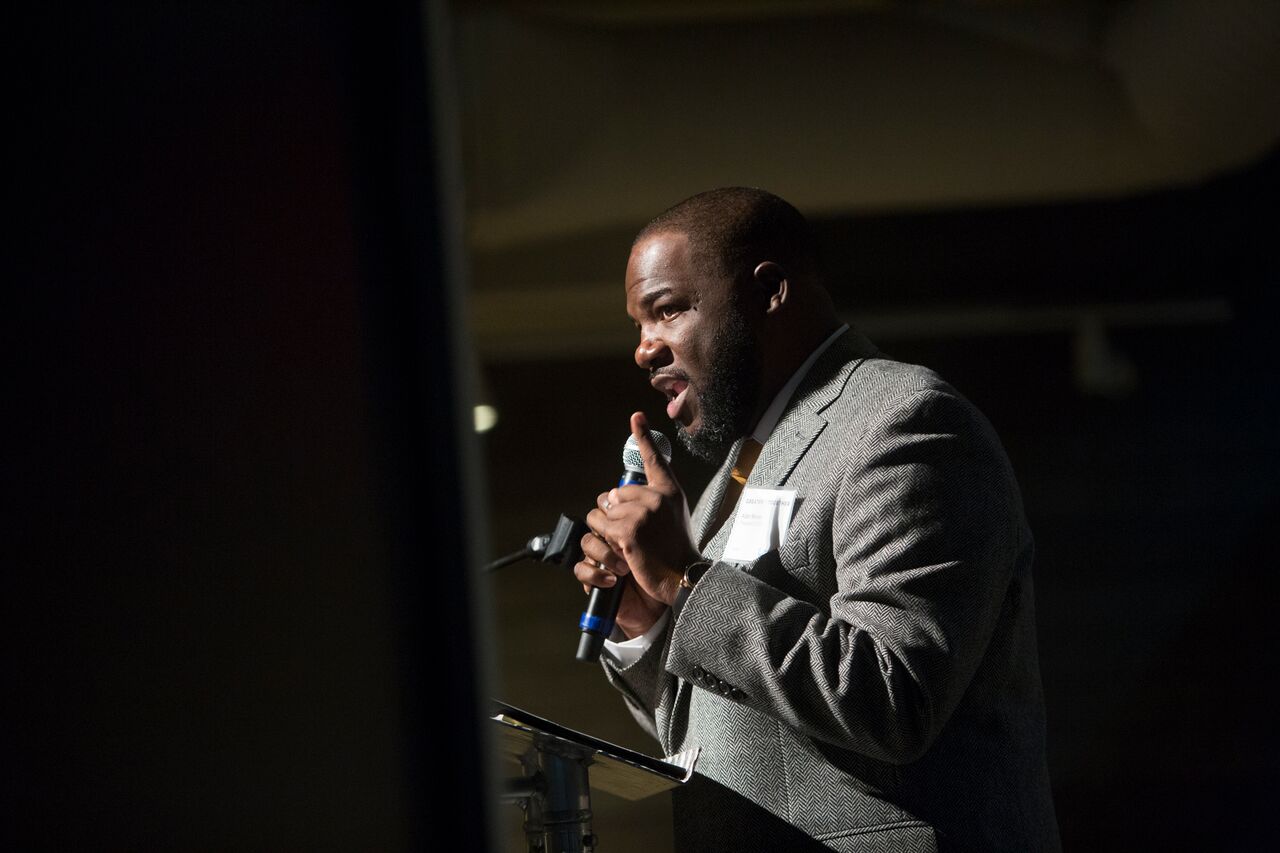
Adair Mosley at Greater>Together 2018

Registration for our 2019 Greater>Together fundraiser is now open! Join us on October 2 to celebrate 140 years of powering people, place, and prosperity. Purchase tickets via the form below, or click here for more information.

X